Eric Felt

Eric Felt, D.D.S

801-533-9879
Directions
  • Services
    • Cosmetic Dentistry
      • Dental Veneers
      • Teeth Whitening
    • General & Family Dentistry
      • Dental Cleanings & Exams
      • First Dental Visit
      • Periodontal Maintenance
      • Root Canal Therapy
      • Sports Mouth Guards
      • Tooth Extractions
      • Toothache Treatment
    • Emergency Dental Care
    • Pediatric Dentistry
      • Fluoride Treatments
      • Pediatric Dental Crowns
      • Pediatric Dental Fillings
      • Pediatric Emergency Dental Care
    • Restorative Dentistry
      • Dental Bridges
      • Dental Crowns
      • Dental Fillings
      • Dentures
  • About
    • Meet the Doctor
    • Meet the Team
    • Office Tour
    • Reviews
    • Blog
  • Directions
  • Patient Info
    • Financial Options
    • Make a Payment
    • Patient Forms
    • Reviews
    • Dental Care Special Offers
  • Contact Us
  • 801-533-9879

10 Effective Remedies for Toothaches

Home | Dentist | Page 13

Request Appointment

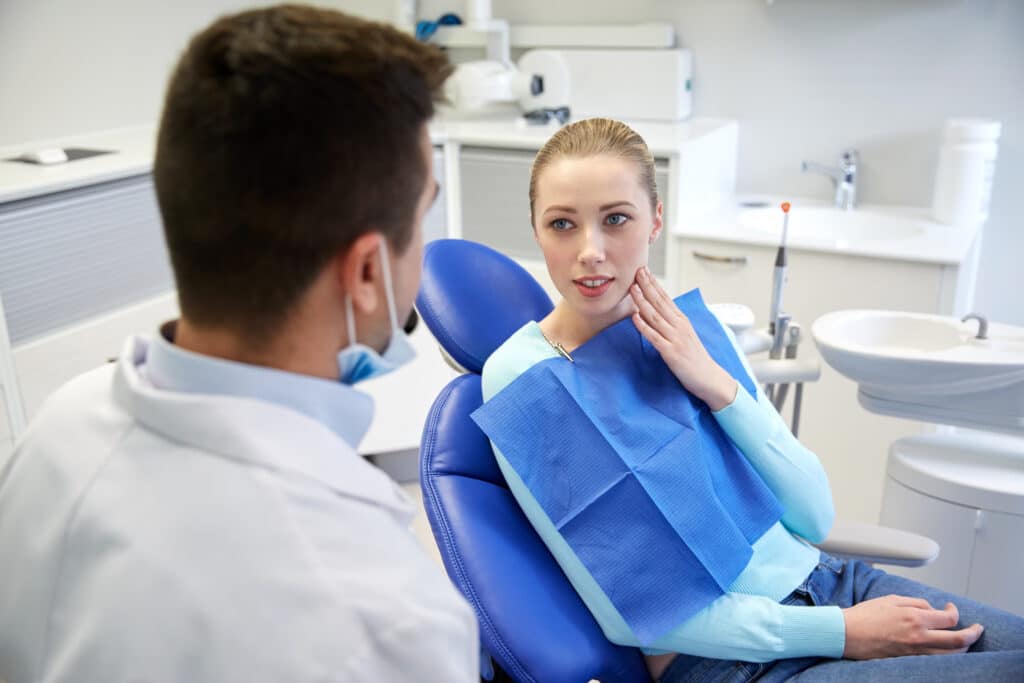
Toothaches are unwelcome visitors in anyone’s life, disrupting daily routines, making it difficult to eat, and even interrupting sleep. Whether the discomfort is caused by a cavity, sensitivity, gum disease, or trauma, finding relief from tooth pain is a top priority. 

If toothaches are hindering your quality of life, keep reading to learn how to navigate the discomfort and hopefully find relief. In this blog post, we’ll delve into a variety of solutions, including a wide range of both at-home remedies and professional dental treatments. 

toothache Cottonwood Heights UT

Causes of Toothaches

Before we get into toothache treatments, it’s essential to first understand some of the causes of tooth pain. When you’re able to recognize possible underlying issues contributing to your discomfort, you can more effectively determine which pain relief strategies will provide the greatest relief, restoring your happy, healthy smile.

Some toothache causes are more obvious — new molars coming in, a loose baby tooth, or newly adjusted braces — while some are harder to pinpoint. Some additional causes of tooth pain include:

  • Cavities and decay: Tooth decay is one of the most common causes of toothaches. When plaque accumulates on the surface of the teeth, it produces acids that erode the enamel, leading to cavities and decay. This exposes the sensitive inner layers of the tooth, causing pain.
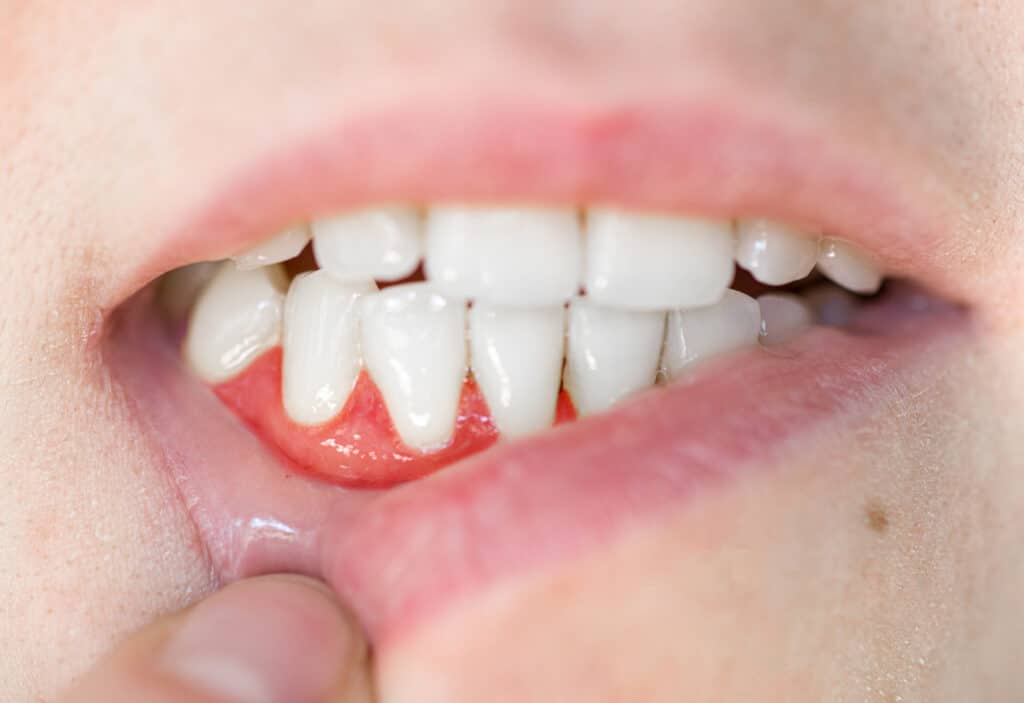
  • Gum disease: Different forms of gum disease, including periodontitis and gingivitis, can contribute to toothaches. In its advanced stages, gum disease deteriorates the tissue that supports the teeth, resulting in tenderness and discomfort.
  • Tooth sensitivity: Some individuals experience pain due to tooth sensitivity, which may be a result of the porous tissue beneath the enamel, also known as dentin, becoming exposed. Sensitivity can be triggered by hot or cold foods or beverages. 
  • Cracked or fractured teeth: Teeth grinding (bruxism), trauma, or biting into hard objects can cause cracks or fractures in the teeth, leading to toothaches. In some cases, the pain can be intermittent, which makes it difficult to identify the root cause of discomfort.

toothache Cottonwood Heights UT

At-Home Remedies

If you’re experiencing tooth pain, there are many home remedies you can try to alleviate your discomfort. 

#1. Saltwater Rinse

Saltwater rinses are one of the simplest yet most effective at-home remedies for tooth pain. Create a mouthwash by mixing one teaspoon of salt into a glass of warm water, swish it around your mouth, and then spit it into the sink. This helps reduce inflammation and cleanse the affected area.

#2. Cold Compress

Wrap an ice pack or bag of frozen vegetables in a towel to make a cold compress and apply it to the outside of your cheek near the affected tooth to numb the area and reduce swelling. 

#3. Cloves or Clove Oil

In addition to being a popular spice, cloves have natural anti-inflammatory and analgesic properties. For temporary pain relief, you can try chewing on a whole clove or applying a small amount of clove oil to the affected tooth using a cotton ball.

#4. Peppermint Tea Bags

Like cloves, peppermint’s uses extend beyond the culinary — it also has mild numbing properties that can help soothe your discomfort. Steep a peppermint tea bag in hot water, remove it, and then allow it to cool slightly before placing it against the affected area to alleviate pain.

#5. Hydrogen Peroxide Rinse

Rinsing your mouth with hydrogen peroxide can reduce inflammation and kill bacteria. Mix equal parts of 3% hydrogen peroxide and water, swish the solution for about 30 seconds, and then spit it out. Be careful not to swallow it.
Your Complete Guide to Dental Care: Answers to 8 Oral Health FAQs | Eric Felt DDS Cottonwood Heights Utah / toothache

Professional Dental Treatments

If at-home treatments are not effective in managing your toothache or the pain occurs due to tissue damage, these professional dental treatments can help you find relief.

#6. Dental Fillings

If a cavity is the root cause of your tooth pain, getting it filled is the most effective way to find relief. To restore tooth function and comfort, the dentist will remove the decayed portion of the tooth and then fill the cavity with a specialized dental material.

#7. Root Canal Therapy

Root canals are recommended for situations in which the tooth’s pulp is inflamed or infected. For this procedure, your dentist will remove the damaged pulp, clean the area, and seal it to prevent further infection. This treatment is virtually painless, despite its reputation, and can save a severely damaged tooth.

#8. Gum Disease Treatment

Depending on the severity of your gum disease, your dentist may recommend various periodontal treatments, including scaling and root planings, professional cleanings, or surgical interventions.

#9. Tooth Extraction

If a tooth is severely damaged or decayed beyond repair, it may be necessary to extract it to prevent further complications and eliminate pain. You may be able to take advantage of tooth replacement options like bridges or dental implants to maintain your smile’s functionality and appearance.

#10. Prescription Medications

For severe cases of tooth pain or inflammation, your dentist may prescribe pain relievers or antibiotics. 

Toothache Treatment by Dr. Eric Felt

Seeking prompt dental care is essential in identifying the cause of your toothache and finding effective solutions. Whether it’s a minor annoyance or excruciating pain, our dedicated team at Eric Felt D.D.S. can help you find lasting relief. Contact us today to begin your journey toward a future filled with pain-free smiles.

Filed Under: Dentist, General Dentistry

oral health and overall health Cottonwood Heights UT

Health is an intricate web of interconnected systems in which one factor influences many others. In the quest to achieve greater overall well-being, we often focus on specific areas of our health, such as diet, exercise, or mental health, while neglecting one crucial piece of the puzzle: oral health. In this blog post, we’ll explore the ways oral health and overall health are profoundly connected and give tips to optimize your overall level of wellness.

Exploring the Link Between Oral Health and Overall Health

Oral health and overall health are linked in complex and often underestimated ways. New research has emerged showing that poor oral health can have far-reaching consequences, affecting various parts of the body. Let’s get into some of the specific ways in which oral health and overall health are connected.

Cardiovascular Health

Your heart and oral health share an especially close connection. Poor oral hygiene and gum disease have been linked to an increased risk of heart disease. Bacteria from inflamed gums can make their way into the bloodstream, potentially contributing to the formation of arterial plaques. Because these plaques restrict blood flow, they can result in heart-related problems, including coronary artery disease.

Answers to 5 Questions About Gum Health / effects of tobacco on oral health Cottonwood Heights UT / oral health and overall health

Diabetes Management

Maintaining good oral health is particularly vital for individuals with diabetes. Gum disease can increase blood sugar levels, which in turn worsens other complications of diabetes, including problems affecting the heart, eyes, blood vessels, kidneys, and nerves. 

On the flip side, uncontrolled diabetes can lead to an increased risk of developing gum disease. These two conditions are part of a vicious cycle, highlighting the importance of regular dental check-ups for patients with diabetes.

Respiratory Health

Your oral health can also impact your respiratory system. Harmful oral bacteria can be inhaled into the lungs, potentially causing or worsening respiratory conditions such as chronic obstructive pulmonary disease (COPD) and pneumonia. Practicing good oral hygiene can play a part in reducing these risks. 

Pregnancy and Birth Outcomes

While expectant mothers are carefully preparing for the arrival of their new baby, they should also pay close attention to their oral health. The hormonal changes that come with pregnancy can make gums more susceptible to inflammation, and poor oral health during pregnancy has been linked to preterm birth and low birth weight. To ensure the health of both mom and baby, it’s essential for pregnant women to maintain a strict oral care regimen and attend regular check-ups at the dentist’s office. 

Cognitive Health

Some studies have suggested that poor oral health — gum disease in particular — may be associated with an increased risk of Alzheimer’s disease and cognitive decline. More research needs to be done to fully understand this link, but researchers believe it may have something to do with inflammation.

Preventing Systemic Health Complications

The good news is that there are simple steps you can take to improve your oral health and decrease your risk of certain systemic health complications. Because oral health and overall health are intrinsically connected, your dentist plays a vital role in your whole-body well-being, not just your dental needs.

Regular Dental Check-Ups

Preventive dental care, which includes professional cleanings and exams, is the foundation of good oral and systemic health. Regular check-ups with your dentist allow them to identify potential systemic health concerns before they have a chance to escalate, along with detecting and treating dental issues. Dentists can often spot signs of systemic conditions such as diabetes, heart disease, and certain types of cancer.

Gum Disease Management

Gum disease, also known as periodontal disease, is not just a significant oral health concern; it can also have major systemic ramifications. When it comes to gum disease, early intervention is essential. Preventing the progression of this condition can reduce your risk of systemic health complications. Your dentist can diagnose gum disease at various stages and recommend treatments. 

oral health and overall health Cottonwood Heights UT

Personal Oral Care

The importance of developing good oral hygiene habits cannot be overstated. Brushing, flossing, and using an antimicrobial mouthwash are key components of maintaining your oral health. Talk to your dentist for guidance on the most effective techniques and products for your unique needs.

Nutrition and Lifestyle

Nutrition and lifestyle choices have a substantial impact on both oral and systemic health. A balanced diet rich in essential nutrients, along with regular exercise and stress management, contributes to an enhanced quality of life. 

Improve Both Your Oral Health and Overall Health

At the office of Dr. Eric Felt, we are committed to improving both the oral health and overall health of each of our patients. To see what we can do for you, schedule an appointment with us today.

Filed Under: Dentist

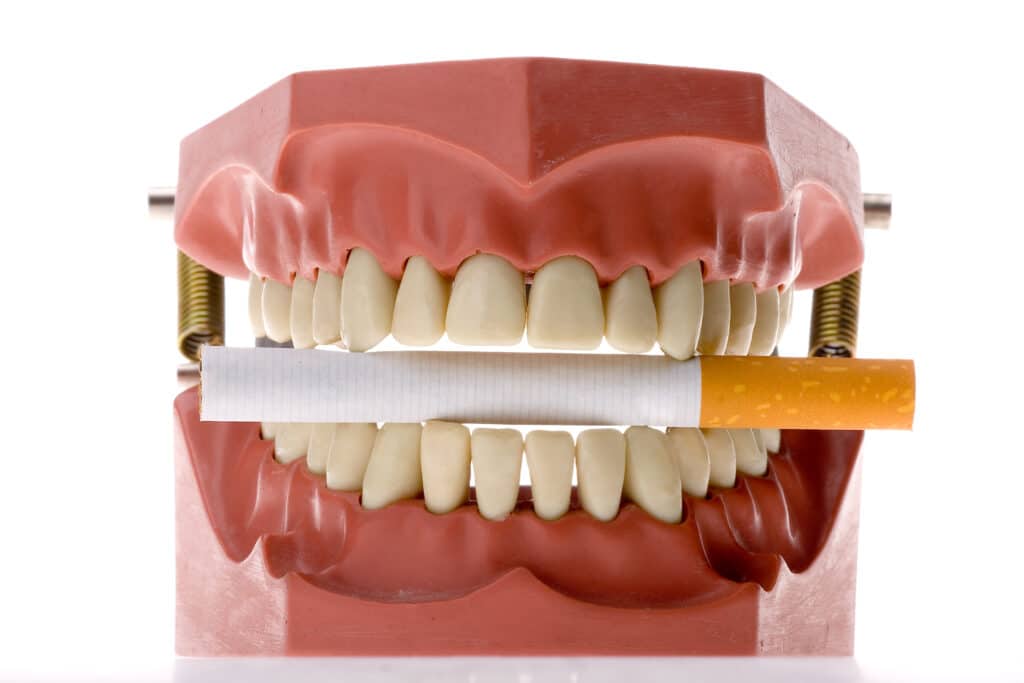
The Destructive Effects of Tobacco on Oral Health

A bright, confident smile is often seen as a symbol of good health. However, the use of tobacco products, including cigarettes, chewing tobacco, and cigars, can negatively affect your oral health. Tobacco consumption is a worldwide health crisis, and its devastating impact on oral health cannot be overstated. 

In this blog post, we’ll discuss the destructive effects of tobacco on oral health, along with the importance of quitting these harmful habits for the sake of your teeth, gums, and overall health.

Stained Teeth and Bad Breath

One of the most visible effects of tobacco use on oral health is stained teeth. Over time, the nicotine and tar in tobacco products can cause teeth to turn yellow or brown, affecting your smile and leading to a decrease in self-confidence. Furthermore, tobacco use can also cause chronic bad breath, which makes social interactions uncomfortable and can damage personal and professional relationships.

Answers to 5 Questions About Gum Health / effects of tobacco on oral health Cottonwood Heights UT

Gum Disease

Tobacco is a major contributor to gum disease. This condition, also known as periodontal disease, ranges from mild gingivitis to severe periodontitis. Because smoking and tobacco use weaken the immune system, these habits can make it harder for your body to fight off gum infections. 

Symptoms include red, bleeding, and swollen gums. In severe stages, gum disease can lead to tooth loss and other serious oral health issues.

Tooth Decay

Tobacco use also increases the risk of tooth decay. The chemicals in tobacco products erode tooth enamel, which makes users more susceptible to cavities — especially on the molars and premolars, which are harder to clean. This increased risk of tooth decay can necessitate potentially painful and invasive dental procedures, including root canals and fillings.

Oral Cancer

One of the most alarming effects of tobacco use is its link to oral cancer. Tobacco contains harmful carcinogens, which are substances that promote the development of cancer cells. When tobacco comes into contact with the mouth, tongue, throat, or gum tissues, malignant tumors can form. 

Oral cancer is a complicated, life-threatening condition that may require aggressive treatments such as chemotherapy, surgery, and radiation, which can significantly impact your quality of life. Additionally, about one-third of people who are treated for oral cancer will develop new forms of cancer later on, further affecting overall health.

Slower Healing Process

Tobacco use impairs the body’s ability to heal itself. While this affects the whole body, it can be especially concerning with regard to oral health. After oral surgeries, dental procedures, or even minor injuries like cuts or scrapes in the mouth, tobacco users may experience delayed healing and an increased risk of complications. This can lead to prolonged pain and discomfort and might necessitate further medical interventions.

effects of tobacco on oral health Cottonwood Heights UT

Reduced Sensation and Taste

Your senses of taste and smell are essential to your enjoyment of food. Because tobacco use can dull these senses, smokers often find that they need to add more salt or sugar to their food to be able to taste it, contributing to an unhealthy diet.

Additionally, tobacco use can reduce sensation in the mouth, making it hard to detect early signs of dental problems. This allows smaller issues to progress to more advanced stages, necessitating more complicated and invasive treatments.

Reduced Blood Flow to Gums

In order for gums to receive the nutrients and oxygen that are essential for maintaining healthy tissues, they need proper blood flow. The nicotine in tobacco causes blood vessels to constrict, reducing blood flow to the gums. Over time, this can contribute to the development of serious issues like gum disease.

Protect Your Oral Health From the Effects of Tobacco

The effects of tobacco on oral health are undeniable and devastating, from stained teeth to gum disease to oral cancer. However, it’s never too late to embark on a journey to improve your overall health by quitting tobacco. Breaking free from this destructive habit is certainly difficult, but it can significantly reduce your risk of dental problems and enhance your quality of life.

If you’re suffering from the destructive effects of tobacco use, the office of Dr. Eric Felt can help. Our skilled team members can face any oral health challenge that comes their way. Whether you’re facing tooth decay, gum disease, staining, or any of the other effects of tobacco on oral health, our treatments can help you achieve a higher level of wellness.

Contact us today to learn more about what we can do for you or to schedule an appointment.

Filed Under: Dentist

  • « Previous Page
  • 1
  • …
  • 11
  • 12
  • 13
  • 14
  • 15
  • …
  • 22
  • Next Page »
office image
white logo

Contact

TEL: 801-533-9879

6800 S. Highland Drive, Suite 100
Cottonwood Heights, UT 84121

Hours

Monday 7:00 AM - 5:00 PM
Tuesday 7:00 AM - 5:00 PM
Wednesday 7:00 AM - 5:00 PM
Thursday 7:00 AM - 5:00 PM
Friday 7:00 AM - 5:00 PM*
Saturday Closed
Sunday Closed
*Third Friday of every month. Call for more information.

2026Eric Felt, D.D.S | All Rights Reserved | Privacy Policy | Terms | XML Sitemap | Sitemap | Site by PDM

https://www.mykindofdentist.com/wp-content/uploads/2022/07/hero-full-video.mp4