Eric Felt

Eric Felt, D.D.S

801-533-9879
Directions
  • Services
    • Cosmetic Dentistry
      • Dental Veneers
      • Teeth Whitening
    • General & Family Dentistry
      • Dental Cleanings & Exams
      • First Dental Visit
      • Periodontal Maintenance
      • Root Canal Therapy
      • Sports Mouth Guards
      • Tooth Extractions
      • Toothache Treatment
    • Emergency Dental Care
    • Pediatric Dentistry
      • Fluoride Treatments
      • Pediatric Dental Crowns
      • Pediatric Dental Fillings
      • Pediatric Emergency Dental Care
    • Restorative Dentistry
      • Dental Bridges
      • Dental Crowns
      • Dental Fillings
      • Dentures
  • About
    • Meet the Doctor
    • Meet the Team
    • Office Tour
    • Reviews
    • Blog
  • Directions
  • Patient Info
    • Financial Options
    • Make a Payment
    • Patient Forms
    • Reviews
    • Dental Care Special Offers
  • Contact Us
  • 801-533-9879

10 Essential Dental Care Tips for Seniors

Home | Dentist | Page 14

Request Appointment
seniors Cottonwood Heights UT Eric Felt Dental

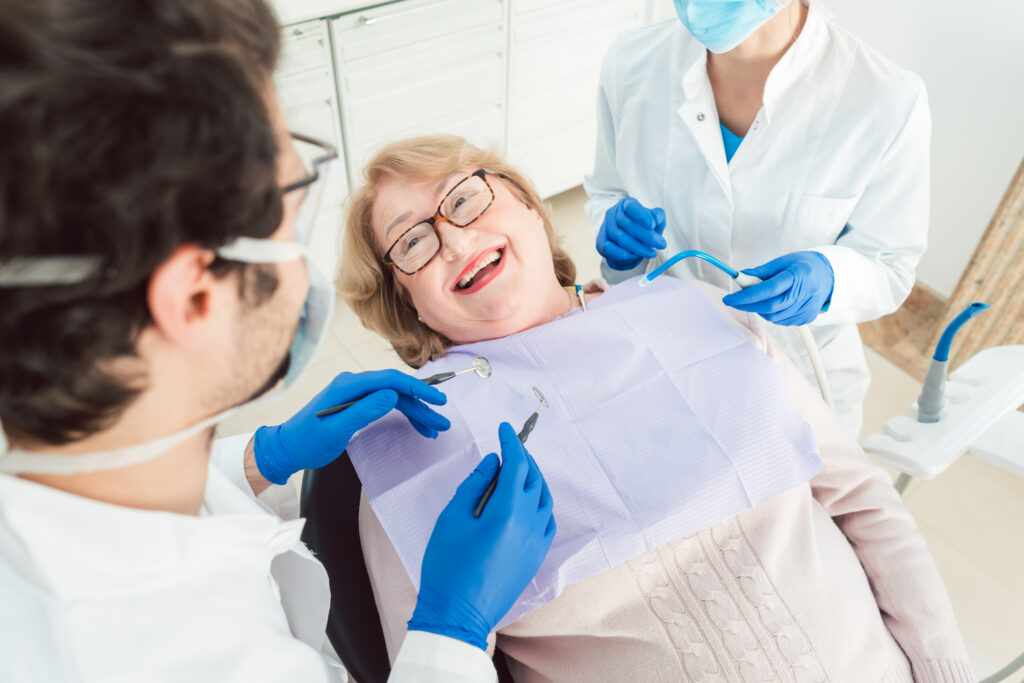
As we journey through life, our bodies change, and so do our dental needs. Just like any other aspect of our well-being, our oral health requires special considerations as we grow older. 

In this blog post, we’ll explore the importance of dental care for seniors and give some essential tips to ensure your smile remains happy and healthy throughout your golden years.

#1. Regular Dental Check-Ups

As we age, one of the most important aspects of dental care is regular check-ups at the dentist’s office. Seniors have a greater risk of developing oral health issues such as gum disease, tooth decay, and oral cancer. Regular exams allow the dentist to check for signs of these issues and address them early, preventing them from becoming more serious. 

Typically, it’s best to go in for a check-up, but your dentist may suggest a different schedule based on your individual needs.

#2. Maintain Good Oral Hygiene

Good oral hygiene habits are the cornerstone of maintaining a healthy smile, regardless of age; however, for seniors, it becomes even more crucial. As you age, make sure you:

  • Brush regularly: Use a soft-bristled toothbrush and fluoride toothpaste to brush your teeth at least twice a day. Consider using an electric toothbrush, which may be easier to handle if you have dexterity issues.
  • Floss daily: Flossing removes food particles and plaque trapped between your teeth and along the gumline. If traditional flossing is challenging for you, try using interdental brushes or water flossers.
  • Use an antiseptic mouthwash: Antiseptic mouthwash can help get rid of bacteria in your mouth and freshen your breath.

#3. Be Mindful of Diet

10 Essential Dental Care Tips for Seniors

Your diet can have a significant impact on your oral health. As you grow older, it’s important to be mindful of what you eat and drink:

  • Limit sugary foods and beverages: Sugar is a major contributor to tooth decay, especially if it’s left on your teeth for an extended period of time. Reduce your sugar intake and opt for healthier alternatives.
  • Stay hydrated: Dry mouth is a common issue in seniors and can contribute to tooth decay. Drink plenty of water throughout the day to keep your mouth moist and wash away food particles and bacteria.
  • Consume calcium-rich foods: Calcium helps you maintain strong teeth and bones. Make sure you’re getting enough calcium in your diet by incorporating leafy greens, dairy products, and fortified foods.

#4. Address Issues Promptly

When dental problems arise, don’t ignore them — even seemingly minor issues like bleeding gums or tooth sensitivity can be signs of more significant problems. Addressing these issues promptly can prevent them from escalating and becoming harder and more costly to treat.

#5. Consider Specialized Dental Care

As you grow older, you may require specialized dental care. Your dentist can help you determine if you could benefit from treatments such as implants, dentures, veneers, periodontics, or orthodontics.

#6. Be Aware of Medication Side Effects

Many seniors take medication to manage various health conditions. If you’re on any medication, be aware of any potential side effects that could affect your oral health. Some medications are known to cause dry mouth, which can increase your risk of certain issues. If you’re concerned about any of these side effects, talk to your dentist to determine whether a change is necessary.

#7. Quit Smoking and Limit Alcohol

Smoking and excessive alcohol consumption are known to stain tooth enamel and have detrimental effects on oral health. To decrease your risk of oral cancer, gum disease, and tooth decay, seek support to quit smoking and limit your alcohol intake.

10 Essential Dental Care Tips for Seniors

#8. Stay Active

Maintaining an active lifestyle in your golden years can benefit your oral health. Regular exercise improves circulation throughout the body, including blood flow to your gums, which promotes healthy gum tissue.

#9. Maintain Good Mental Health

Mental health is closely linked to physical health. High stress levels can cause teeth grinding and jaw clenching, which puts your teeth at risk of breaking or becoming worn down. Practice stress-reduction techniques to protect your dental health.

#10. Invest in Preventive Dentistry

Preventative dentistry is your greatest tool for maintaining your oral health as you age. Dental cleanings, sealants, fluoride treatments, and other treatments can help protect your teeth and gums from wear and tear over time. 

High-Quality Dental Care for Everyone, From Children to Seniors

At the office of Dr. Eric Felt, we are proud to treat patients of all ages, from young pediatric patients to seniors. Professional exams and cleanings are essential for everyone, regardless of age, so protect your oral health by scheduling an appointment with us today.
Filed Under: Dentist, General Dentistry, Restorative Dentistry

Your Complete Guide to Dental Care: Answers to 8 Oral Health FAQs | Eric Felt DDS Cottonwood Heights Utah

Maintaining oral health is a vital component of overall well-being; however, many people have questions and misconceptions about how to take care of their mouths. In this comprehensive blog post, we’ll answer eight of the most frequently asked questions about oral health in order to provide a comprehensive guide to all things dental care.

FAQ #1: Why is Oral Health So Important?

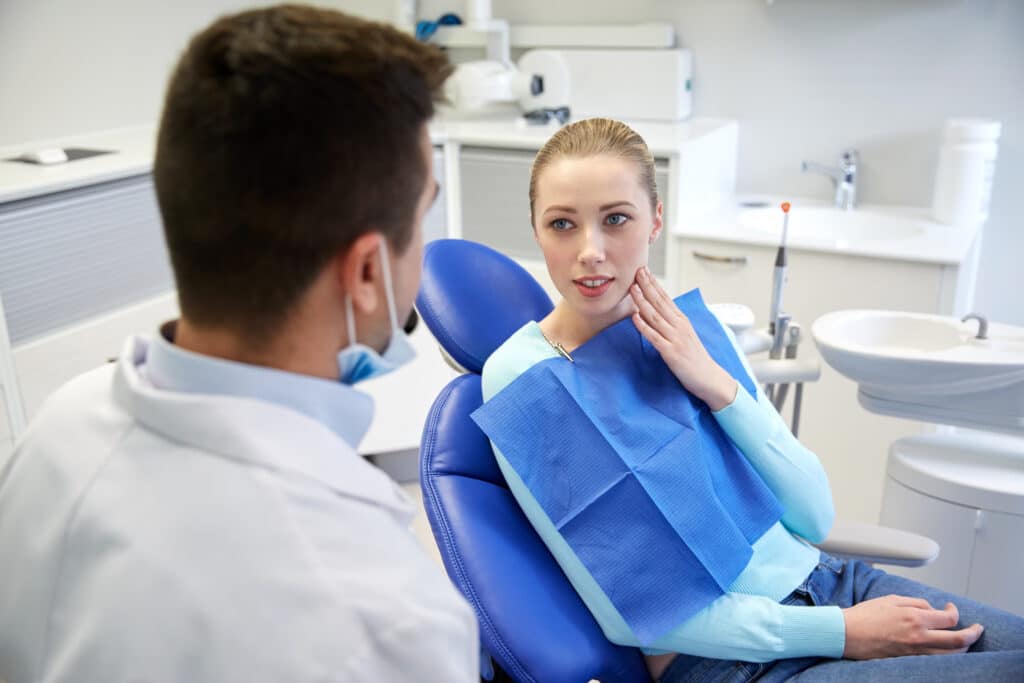
Oral health is about more than just having a beautiful smile; your teeth, gums, and tongue all play a significant role in your overall well-being. Poor oral health can lead to all kinds of problems, from tooth decay to bad breath to gum disease. Furthermore, there is a link between poor oral health and serious systemic conditions such as diabetes, heart disease, and even pregnancy complications.

FAQ #2: How Often Should I Visit the Dentist?

Regular exams at the dentist’s office are a crucial part of maintaining oral health. For most people, going in for a check-up every six months is sufficient; however, your dentist may suggest more frequent visits if you’re experiencing certain dental issues or conditions that require extra attention. These routine visits help you identify and address potential problems early on before they have a chance to escalate.

oral health FAQs Cottonwood Heights UT Eric Felt DDS

FAQ #3: What Are the Best Practices for Daily Oral Care?

To maintain good oral health, follow these daily oral care practices:

  • Brush your teeth: Use fluoride toothpaste and a soft-bristled toothbrush to brush your teeth at least twice a day. Brush in a gentle circular motion to avoid damaging your tooth enamel or gums.
  • Floss daily: Although flossing is a critical tool for preventing gum disease and cavities, many people skip this step in their daily oral health routine. To remove food particles and plaque stuck between your teeth, you need to floss at least once per day.
  • Rinse with mouthwash: Antimicrobial mouthwash can kill bacteria in your mouth and freshen your breath. 
  • Limit sugary and acidic foods: Acid and sugar are major contributors to tooth decay. Try to reduce your consumption of sugary and acidic foods, and when you do decide to indulge, make sure you brush your teeth afterward. 
  • Avoid smoking and tobacco: In addition to staining teeth, smoking and tobacco use can cause a range of oral health issues, including oral cancer and gum disease. 

FAQ #4: How Can I Prevent Cavities and Gum Disease?

Preventing oral health issues like cavities and gum disease starts with good oral hygiene habits along with regular check-ups. In addition to brushing and flossing, try these tips:

  • Watch your diet: Avoid excessive sugar intake and instead opt for a diet that includes nutrient-rich foods such as fruits and vegetables.
  • Utilize fluoride: Fluoride is an important tool for strengthening tooth enamel and preventing cavities. Ensure your toothpaste and mouthwash both contain fluoride.
  • Stay hydrated: Drinking plenty of water throughout the day can help wash away bacteria and food particles, contributing to a cleaner mouth.

FAQ #5: What Can I Do About Bad Breath (Halitosis)?

Bad breath can be embarrassing, but it’s an issue that many people deal with. To combat this issue:

  • Maintain good oral hygiene
  • Stay hydrated
  • Avoid tobacco and alcohol: Smoking and excessive alcohol consumption can lead to foul breath.
  • Use sugar-free gum or mints: Gum and mints can help freshen your breath temporarily.

FAQ #6: What Should I Do in Case of a Dental Emergency?

If you encounter a dental emergency, such as a broken or knocked-out tooth, follow these steps:

  • Contact your dentist to receive guidance and schedule an emergency appointment
  • Rinse your mouth with warm water if there is any bleeding
  • Apply a cold compress to the affected area to reduce pain, swelling, and inflammation
  • Take over-the-counter pain medication to manage the pain until you can see your dentist

FAQ #7: How Can I Improve the Appearance of My Smile?

There are many cosmetic dentistry procedures that can help improve the appearance of your smile, including:

  • Teeth whitening
  • Veneers
  • Orthodontic treatments
  • Dental implants

FAQ #8: Are Dental X-rays Safe?

Oral Health FAQs Cottonwood Heights UT Eric Felt DDS

Modern X-ray technology minimizes exposure to radiation, making it a safe diagnostic tool for detecting various dental problems that can’t necessarily be seen by the naked eye. Although X-rays are safe, most experts avoid using them on pregnant women out of an abundance of caution. 

Take Advantage of Comprehensive Oral Healthcare

At the office of Dr. Eric Felt, we pride ourselves on providing comprehensive oral healthcare solutions and giving our patients the tools they need to maintain their good oral health. Take advantage of our expertise and schedule an appointment today!

Filed Under: Dentist

A Guide to Proper Tongue Care

When it comes to oral health, most people focus on their teeth and gums but overlook a crucial component — their tongue. Your tongue is not only responsible for taste and speech, but it also plays a significant role in maintaining the health of your mouth and requires proper care to ensure overall oral hygiene. In this blog post, we’ll dive into the importance of tongue care and provide you with essential tips to keep your whole mouth in great shape.

The Role of the Tongue

Your tongue has many functions in addition to allowing you to eat your favorite foods, including:

  • Speech articulation: In order to form words correctly and make certain sounds, your tongue moves against the roof of your mouth and teeth.
  • Digestion: Your tongue aids in the initial breakdown of food. It pushes food particles against your teeth as you chew, initiating the digestive process.
  • Cleaning mechanism: Because of your tongue’s rough surface, it can help keep your mouth clean by manually removing food particles and bacteria from all the little nooks and crannies in your mouth.
  • Taste sensation: Your taste buds are located on your tongue and allow you to perceive different tastes, from salty to sweet to bitter.
  • Oral hygiene: Neglecting proper tongue care can lead to the buildup of bacteria in the mouth, contributing to bad breath, tooth decay, and other oral health issues.
A Guide to Proper Tongue Care

9 Essential Tips for Tongue Care

With a little extra effort, you can take proper care of your tongue and ensure your whole mouth stays clean and healthy.

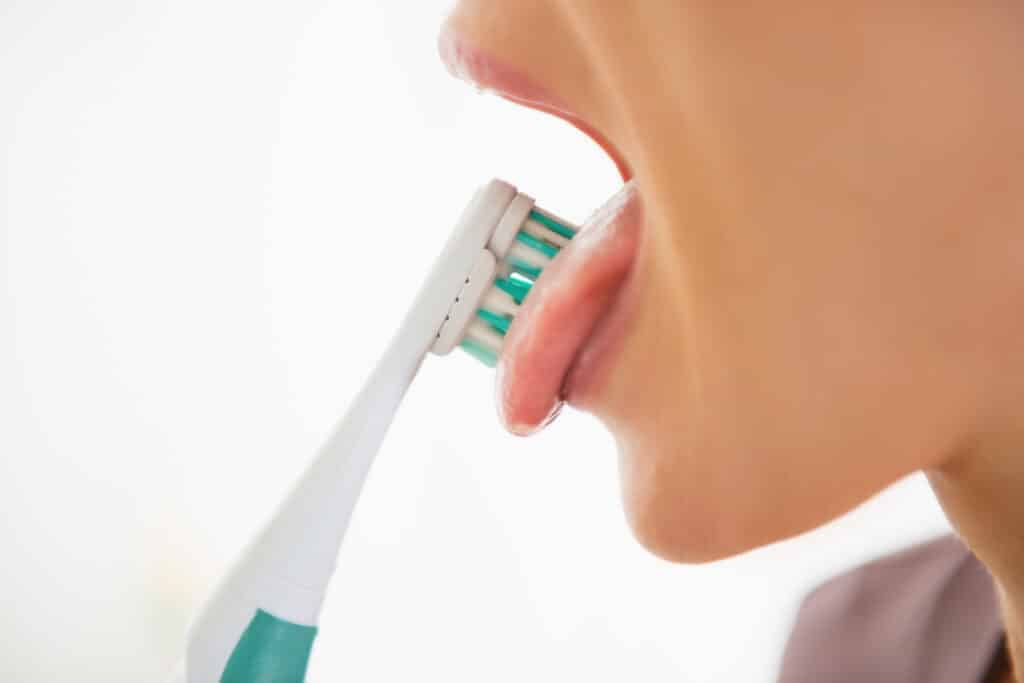
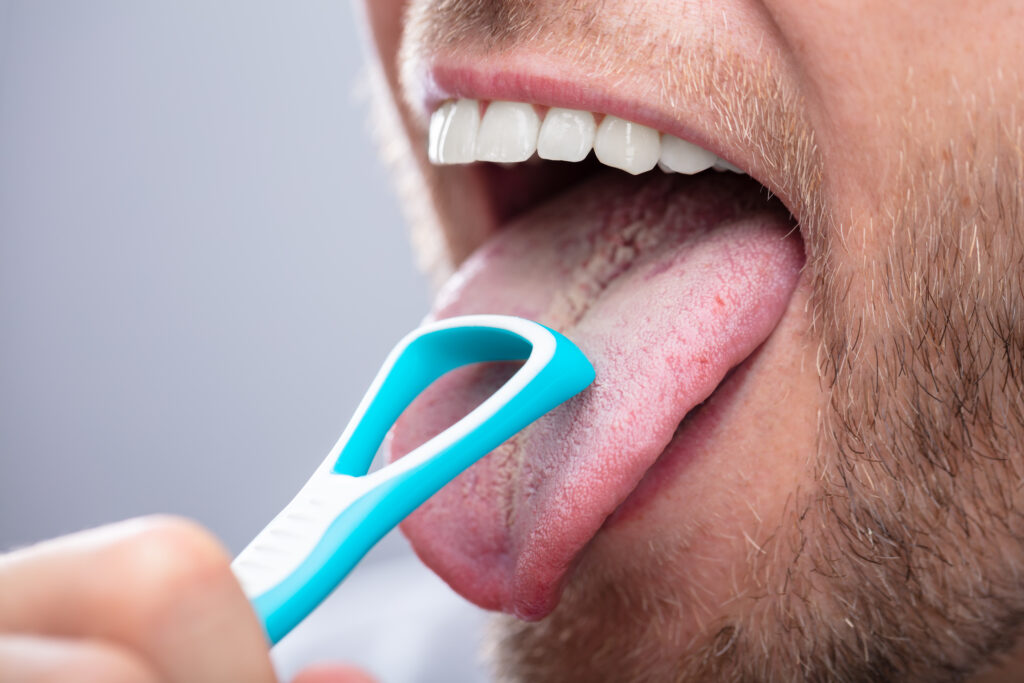
  1. Daily tongue cleaning: Just as you brush your teeth twice a day, you also need to make a habit of cleaning your tongue regularly. You can use a special tongue scraper or the soft bristles of your toothbrush to gently clean the surface of your tongue. As you clean, start from the back and move forward, being careful not to apply too much pressure. The goal is to remove bacteria and debris, not to scrub the tongue vigorously and cause irritation. 
  2. Mind your toothbrush: If you use a toothbrush to clean your tongue, make sure it has soft bristles to avoid causing irritation.
  3. Hydration is key: Adequate water intake doesn’t just keep your body hydrated; it also helps your mouth produce saliva. Saliva helps wash away food particles and bacteria in the mouth, making it a crucial part of your mouth’s self-cleaning process.
  4. Balanced diet: In addition to improving your overall wellness, eating nutritious foods such as fruits and vegetables helps you maintain a healthy tongue. Certain nutrients, like zinc and vitamin B12, are especially good for tongue health.
  5. Avoid tobacco and excessive alcohol: Tobacco use and excessive alcohol consumption can lead to a number of oral health issues, including tongue discoloration and irritation. Minimizing or quitting these habits can greatly improve your tongue health.
  6. Monitor your tongue: Regularly examine your tongue in the mirror, looking out for any changes in texture, color, or the presence of unusual white patches. If you notice anything out of the ordinary, reach out to your dentist.
  7. Regular dental visits: Dentists are trained to be able to identify any possible issues with your tongue and provide appropriate guidance for care.
  8. Use mouthwash: Incorporate an antimicrobial, alcohol-free mouthwash into your oral hygiene routine to help control bacteria in your mouth, including on your tongue.
  9. Healthy oral habits: Tongue care is just one aspect of oral health. Brushing and flossing your teeth, along with regular cleanings and exams, are just as important. Together, all these healthy habits contribute to your overall wellness.
A Guide to Proper Tongue Care

Benefits of Proper Tongue Care

Caring for your tongue isn’t just about avoiding bad breath; it’s an important factor in your overall health and well-being. There are many benefits to practicing good tongue hygiene, including:

  • Improved breath: A cleaner tongue contributes to fresher breath by eliminating odor-causing bacteria.
  • Reduced bacteria: Cleaning your tongue regularly helps remove the bacteria in your mouth that causes tooth decay and gum disease.
  • Enhanced taste: When your tongue is clean, it allows your taste buds to function optimally, enhancing your ability to taste and enjoy food.
  • Prevention of oral health issues: With proper tongue care, you can prevent issues like coated tongue and oral thrush, along with other oral health problems.

Improve Your Overall Oral Health 

Tongue care is just one aspect of oral health and proper hygiene. To take care of your whole mouth and ensure your smile is happy and healthy for years to come, schedule an appointment with the office of Dr. Eric Felt today!

Filed Under: Dentist, Family Dentistry, General Dentistry

  • « Previous Page
  • 1
  • …
  • 12
  • 13
  • 14
  • 15
  • 16
  • …
  • 22
  • Next Page »
office image
white logo

Contact

TEL: 801-533-9879

6800 S. Highland Drive, Suite 100
Cottonwood Heights, UT 84121

Hours

Monday 7:00 AM - 5:00 PM
Tuesday 7:00 AM - 5:00 PM
Wednesday 7:00 AM - 5:00 PM
Thursday 7:00 AM - 5:00 PM
Friday 7:00 AM - 5:00 PM*
Saturday Closed
Sunday Closed
*Third Friday of every month. Call for more information.

2026Eric Felt, D.D.S | All Rights Reserved | Privacy Policy | Terms | XML Sitemap | Sitemap | Site by PDM

https://www.mykindofdentist.com/wp-content/uploads/2022/07/hero-full-video.mp4