Eric Felt

Eric Felt, D.D.S

801-533-9879
Directions
  • Services
    • Cosmetic Dentistry
      • Dental Veneers
      • Teeth Whitening
    • General & Family Dentistry
      • Dental Cleanings & Exams
      • First Dental Visit
      • Periodontal Maintenance
      • Root Canal Therapy
      • Sports Mouth Guards
      • Tooth Extractions
      • Toothache Treatment
    • Emergency Dental Care
    • Pediatric Dentistry
      • Fluoride Treatments
      • Pediatric Dental Crowns
      • Pediatric Dental Fillings
      • Pediatric Emergency Dental Care
    • Restorative Dentistry
      • Dental Bridges
      • Dental Crowns
      • Dental Fillings
      • Dentures
  • About
    • Meet the Doctor
    • Meet the Team
    • Office Tour
    • Reviews
    • Blog
  • Directions
  • Patient Info
    • Financial Options
    • Make a Payment
    • Patient Forms
    • Reviews
    • Dental Care Special Offers
  • Contact Us
  • 801-533-9879

Answering 11 Frequently Asked Questions About Oral Hygiene

Home | Dentist | Page 11

Request Appointment

The importance of oral hygiene cannot be overstated. Not only does maintaining optimal oral health ensure a sparkling smile, but it also plays a significant role in enhancing overall well-being. However, navigating the world of oral care can be daunting, with many questions popping up. To help you make informed decisions about your oral hygiene, we’ve compiled a list of frequently asked questions and provided expert answers.
don't brush or floss / oral hygiene Cottonwood Heights UT

#1. How Often Should I Brush My Teeth?

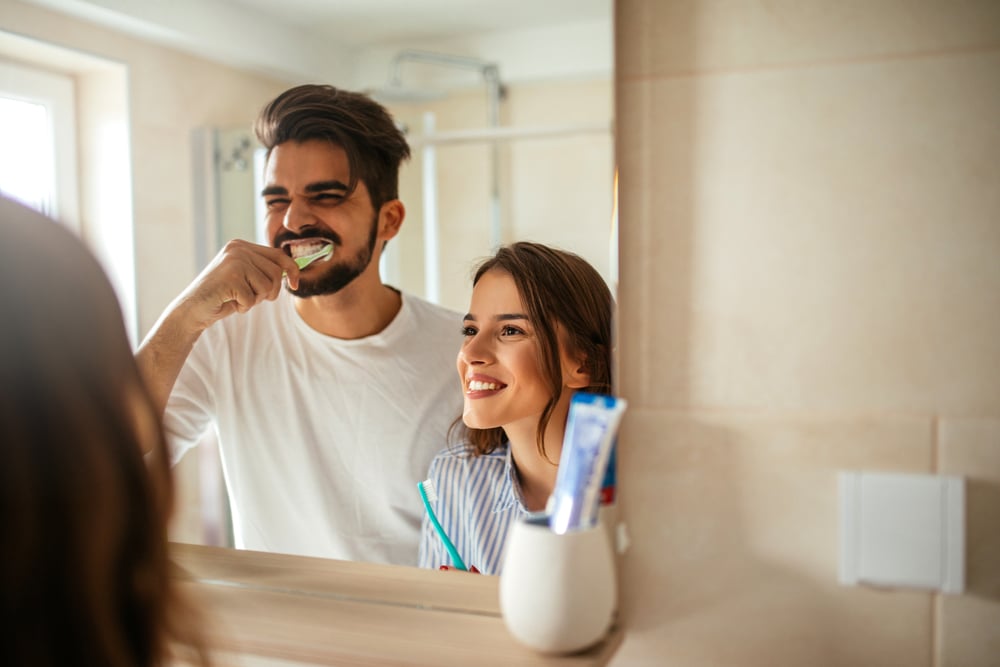
Brushing your teeth at least twice per day is crucial for maintaining good oral hygiene. Ideally, you should brush in the morning and before going to bed, using a soft-bristled brush and fluoride toothpaste. Remember to brush for at least two minutes, ensuring you clean all surfaces of your teeth and gums.

#2. Is Flossing Really Necessary?

It may not be very fun, but flossing is an integral part of oral hygiene. Flossing helps remove food particles and plaque from the places your toothbrush can’t reach, like the nooks and crannies between teeth and along the gumline. Try to floss at least once a day, preferably before bedtime, to reduce your risk of gum disease and cavities.

#3. Am I Supposed to Brush or Floss First?

It may sound strange, but recent research has shown that flossing before brushing is the way to go. Flossing loosens the plaque, food particles, and bacteria from between the teeth, and brushing and rinsing flush them out. If you usually brush first, try switching it up!
diy teeth whitening Cottonwood Heights UT

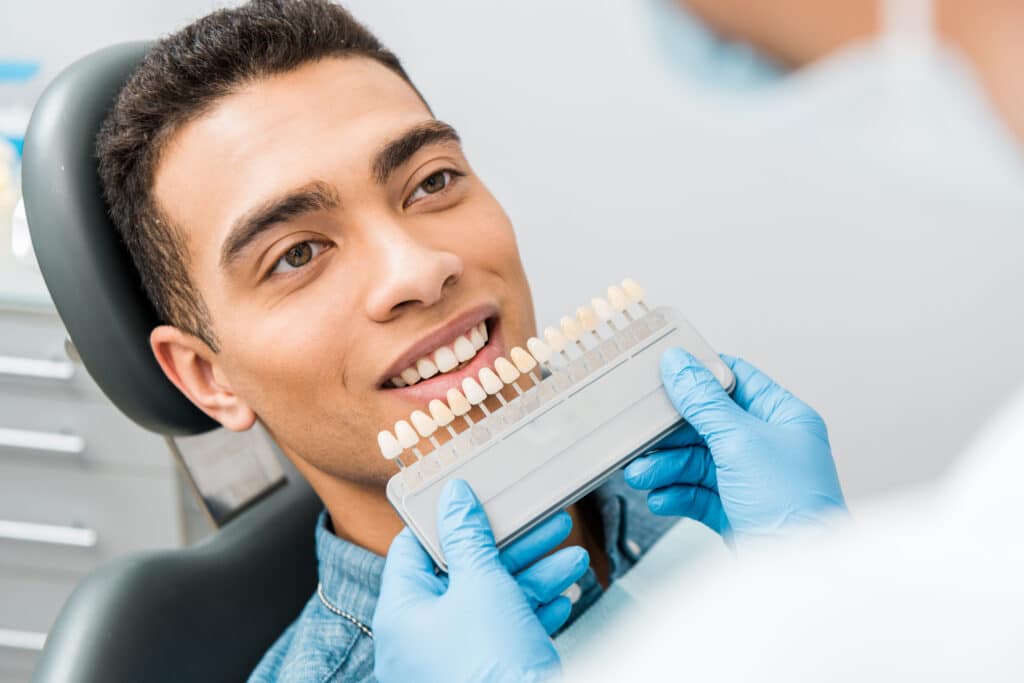
#4. Can I Whiten My Teeth at Home?

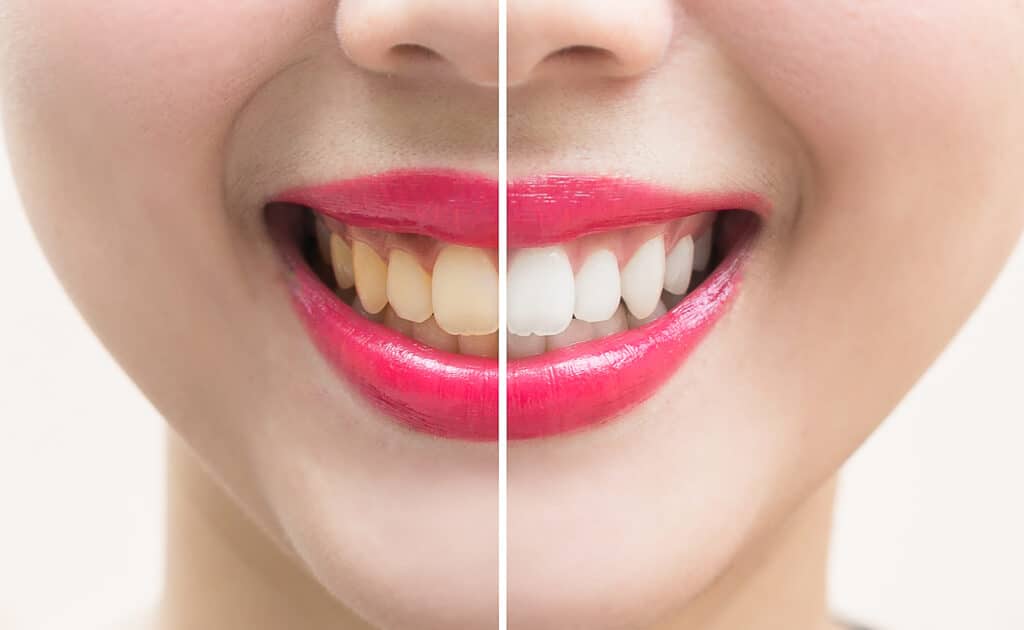
While there’s a plethora of over-the-counter whitening products out there, they are not usually as effective as professional treatments. It’s best to consult with your dentist before attempting to whiten your teeth so they can assess your oral health and recommend effective whitening options tailored to your needs.

#5. Are Electric Toothbrushes Better Than Manual?

Electric and manual toothbrushes can both be effective if used correctly. Electric toothbrushes may offer certain advantages, like built-in times and oscillating bristles, which can enhance plaque removal; however, the most crucial factors are your brushing consistency and technique.

#6. How Can I Prevent Bad Breath?

Good oral hygiene — including brushing your teeth and tongue, flossing every day, staying hydrated, and avoiding foods with strong odors — is key to preventing bad breath. If bad breath persists despite these preventative measures, it could indicate an underlying medical or dental issue, so it’s essential to talk to your dentist about your concerns.

#7. What Role Does Diet Play in Oral Health?

Your diet has a significant impact on your oral health. Consuming lots of sugary and acidic foods and beverages can contribute to tooth decay and erosion. On the other hand, a balanced diet rich in fruits, veggies, and calcium can help strengthen your teeth and gums. Try to limit sugary snacks and drinks and brush your teeth afterward.

#8. How Can I Protect My Teeth During Sports?

If you’re a sports or fitness enthusiast, it’s vital to protect your teeth from injury during high-impact physical activities. Wearing a mouthguard custom-made by your dentist can protect you from dental trauma caused by impacts or falls. 

#9. What Should I Do in a Dental Emergency?

If your tooth is knocked out, a restoration is broken, or you have a severe toothache, you must seek immediate dental care. Contact your dentist as soon as possible for emergency treatment. In the meantime, you can reduce swelling and discomfort by rinsing your mouth with warm water and applying a cold compress.

#10. How Can I Encourage My Children to Practice Good Oral Hygiene?

Instilling good oral hygiene habits from a young age is crucial for your children’s long-term dental health. Set a good example by demonstrating proper brushing and flossing techniques, and make it fun by using colorful toothbrushes, flavored toothpaste, and small incentives as rewards for positive behavior.

#11. How Often Should I Visit the Dentist for Check-Ups?
seniors Cottonwood Heights UT Eric Felt Dental / oral hygiene Cottonwood Heights UT

While brushing and flossing are important parts of your oral hygiene routine, they are not enough to protect you from potential issues. Regular dental check-ups are also crucial for maintaining oral health. Most dentists recommend making an appointment every six months for a professional cleaning and examination. These visits allow your dentist to detect any issues in the early stages and provide personalized advice on oral hygiene practices.

If it’s time for a visit to the dentist, consider making an appointment with our team at Eric Felt DDS. We would love to be your partner in oral health and help you enjoy a lifetime of healthy smiles.

Filed Under: Dentist

In your quest to achieve a brighter, whiter smile, you’ve probably encountered a slew of advice, life hacks, and home remedies to try. But are any of these DIY teeth whitening methods actually effective? More importantly, are they safe? In this blog post, we’ll evaluate five of these treatments to determine whether they provide oral health benefits.

Is DIY Teeth Whitening Effective?

Why Are My Teeth Yellow?

Before we get into some of the most popular DIY teeth whitening methods, let’s talk about what causes teeth to become yellow or discolored. Understanding the causes of yellowing is key to knowing how to treat it.

One of the biggest contributors to teeth discoloration is enamel thinning. Your teeth’s outer layer is made of enamel, which is off-white in color. Underneath the enamel is the dentin layer, which is yellowish brown. When the enamel wears away or thins, the dentin can show through, making teeth appear darker.

Another significant cause of discoloration is surface stains. Certain foods and beverages, such as coffee, red wine, tea, and soda, can stain the teeth. Smoking, tobacco products, and some medications can also cause stains.

Method #1: Oil Pulling

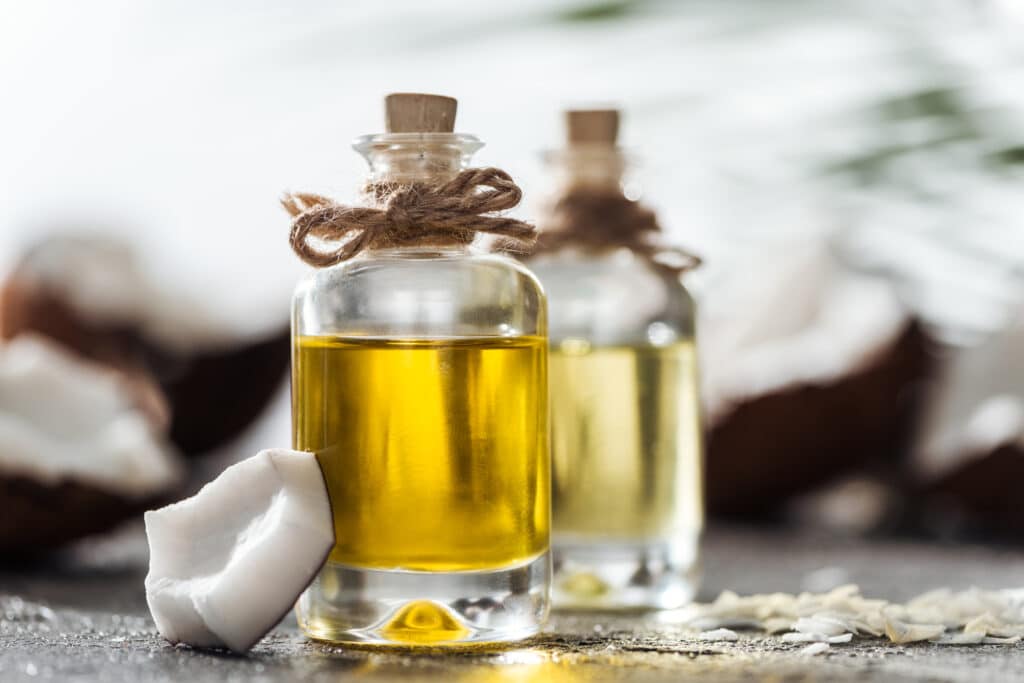
Oil pulling is an ancient practice that involves swishing olive, coconut, sesame, vegetable, or sunflower oil around your mouth for 15–20 minutes. While there isn’t a lot of clinical research about the effects of oil pulling, this practice seems to reduce bacteria and plaque, improve gum health, and alleviate bad breath. However, there is no evidence to suggest that it’s an effective DIY teeth whitening treatment.

If you’d like to read more about oil pulling, check out one of our previous blog posts, “Oil Pulling for Enhanced Oral Health: Fact or Fiction?”

Method #2: Baking Soda and Hydrogen Peroxide

Brushing with baking soda has shown to be an effective way to gently polish away surface stains. It’s not too abrasive, making it a safe way to whiten your teeth. It may also fight bacteria, suggesting that it can reduce plaque buildup and help prevent tooth decay.

Hydrogen peroxide is a mild bleach, which means that it can brighten teeth. However, it can increase tooth sensitivity, so it’s not suitable for individuals who have sensitive teeth. If you’re looking for an effective DIY teeth whitening method, try bruising with a mix of hydrogen peroxide and baking soda. Don’t overdo it, though — this treatment is best used occasionally.

Method #3: Lemon Juice

You may have heard that brushing or rinsing with lemon juice can whiten your teeth. However, in reality, this DIY teeth whitening method does more harm than good. Lemon juice is incredibly acidic, which means it can cause some serious damage. 

As the acid erodes your tooth enamel, your teeth will become more sensitive and cavity-prone. Plus, when the underlying dentin layer is exposed, your teeth can appear yellower, defeating the purpose of this treatment. Drinking an occasional lemonade or eating a lemon tart shouldn’t have any adverse effects on your oral health, but when it comes to DIY teeth whitening, it’s best to skip the lemon juice.

Method #4: Activated Charcoal

diy teeth whitening Cottonwood Heights UT

Activated charcoal has taken the wellness and cosmetics world by storm due to its ability to absorb and remove toxins. But do its benefits extend to the world of DIY teeth whitening? Charcoal toothpaste products claim to be able to brighten your pearly whites, but in reality, it doesn’t work any better than regular toothpaste. 

While more research is needed to determine the long-term effects of using charcoal toothpaste, the outlook isn’t great. Most charcoal toothpaste doesn’t contain fluoride, which is necessary to protect your teeth against cavities and decay. It may also be too abrasive for everyday use. Plus, the charcoal may accumulate in the cracks and crevices of older teeth or dental restorations, making them appear gray or discolored.

Method #5: Apple Cider Vinegar

Apple cider vinegar has long been used as a home remedy for everything from acne treatment to sunburn relief. While it can have a bleaching effect on teeth, undiluted apple cider vinegar can also weaken your tooth enamel. It’s very acidic, with a similar pH to lemon juice. If you decide to use apple cider vinegar in your DIY teeth whitening efforts, you should use it sparingly, diluting it with water to create a mouthwash.

diy teeth whitening Cottonwood Heights UT

Professional vs. DIY Teeth Whitening

While certain DIY teeth whitening methods can help remove surface stains, they often come with negative effects, as well. For best results, choose professional teeth whitening treatments instead. At Eric Felt DDS, we use the highly effective Opalescence take-home kit proven to safely brighten your smile. For more information about how we can help you achieve the beautiful smile you’ve always wanted, don’t hesitate to contact us today!

Filed Under: Dentist

Oil pulling, an ancient practice with its roots in traditional Ayurvedic medicine, has recently made a resurgence thanks to social media. Chances are, you’ve seen a video or two from a celebrity or influencer claiming that swishing oil around your mouth provides all kinds of oral health benefits, from plaque prevention to teeth whitening. Keep reading to learn whether this simple practice is really all that effective or if it’s just another passing trend. 

What is Oil Pulling?

Oil Pulling for Enhanced Oral Health: Fact or Fiction?

Oil pulling comes from the Ayurvedic tradition, which originated on the Indian subcontinent 3,000 to 5,000 years ago. It involves swishing a spoonful of coconut, sesame, or sunflower oil around the mouth for 15–20 minutes. This practice is believed to draw out toxins and bacteria, creating a healthier oral environment. 

So, why has this practice endured for millennia? Can it really compete with the effectiveness of chlorhexidine mouthwash? 

There isn’t a lot of clinical research on oil pulling, but recent studies have shown promising results. Scientists aren’t sure exactly how it works, with one prevailing theory that the saponification (soap-making) process that occurs when swishing oil has something to do with its oral health-enhancing properties. Some believe that the oil’s viscosity prevents plaque accumulation, while others hypothesize that the antioxidants found in the oil contribute to an antibiotic-like effect.

Benefits of Oil Pulling

Whatever the mechanism behind this practice’s effectiveness, most experts agree that it can, indeed, enhance oral health — or, at least, it can’t hurt. 

Reduced Bacteria and Plaque

The primary benefit of oil pulling is its ability to reduce harmful bacteria in the mouth, which contribute to plaque formation and tooth decay. Different types of oil have been shown to fight different kinds of bacteria, contributing to a healthier oral environment and helping to prevent issues like tooth decay.

dental anxiety

Improved Gum Health

Healthy gums are crucial for maintaining strong teeth. Oil pulling is associated with a reduction in gum inflammation and bleeding. The swishing action reaches nooks and crannies that brushing might miss, reducing the risk of gum disease.

Alleviation of Bad Breath

The antibacterial properties of the oils used in pulling can take care of bad breath by targeting its root cause — bacteria. In fact, sesame oil has been found to be as effective against halitosis as a chlorhexidine rinse. 

Oral Thrush Treatment

Evidence suggests that oil pulling can treat oral thrush, a fungal infection in the mouth, by trapping and removing toxins and pathogens. Coconut oil is especially effective, as its antifungal properties allow it to kill the infection-causing yeast. 

Affordability and Accessibility

At only a dollar or two per liter, common household oils are generally less expensive than specialized mouthwashes, making oil pulling a more affordable option for individuals looking to take care of their oral health on a budget.

Considerations and Cautions

While oil pulling may enhance oral health, it may not always be as effective as regular mouthwash. It’s also not a magical remedy for teeth whitening, no matter what you may have seen online. 

If you’re already doing the basics (brushing twice per day, flossing at least once per day, and using mouthwash), you probably don’t need to incorporate oil pulling into your daily oral hygiene routine. If you haven’t already established these basic habits, start there — brushing and flossing are still the best ways to protect your teeth.

Oil pulling also comes with a significant time commitment. If you don’t have an extra 15–20 minutes every day to dedicate to your oral health, you’re better off using a regular mouthwash instead. 

Oil Pulling for Enhanced Oral Health: Fact or Fiction?

Tips and Techniques

If you’ve decided to try oil pulling, follow these steps:

  • Choose the right oil: You can use any type of cooking oil, including coconut, olive, sesame, vegetable, and sunflower oils. You only need about a tablespoon.
  • Timing is key: Aim for 15–20 minutes of swishing, but if you’ve just started oil pulling, you can slowly work up to the full amount of time. Set a timer and swish the oil around your mouth without swallowing it. 
  • Spit and rinse: Once you’re finished, spit the oil into a trash can or tissue. Avoid spitting it into the sink, as this can cause clogs. Rinse your mouth thoroughly with water and follow up with regular brushing.

Comprehensive Oral Healthcare

At Eric Felt DDS, we believe in giving our patients the information they need to make informed decisions about their oral health. If you have questions about how to care for your teeth, feel free to reach out to our expert team. With a little help from us, you can achieve a happy, healthy smile that will last a lifetime.

Filed Under: Dentist, Family Dentistry, General Dentistry

  • « Previous Page
  • 1
  • …
  • 9
  • 10
  • 11
  • 12
  • 13
  • …
  • 22
  • Next Page »
office image
white logo

Contact

TEL: 801-533-9879

6800 S. Highland Drive, Suite 100
Cottonwood Heights, UT 84121

Hours

Monday 7:00 AM - 5:00 PM
Tuesday 7:00 AM - 5:00 PM
Wednesday 7:00 AM - 5:00 PM
Thursday 7:00 AM - 5:00 PM
Friday 7:00 AM - 5:00 PM*
Saturday Closed
Sunday Closed
*Third Friday of every month. Call for more information.

2026Eric Felt, D.D.S | All Rights Reserved | Privacy Policy | Terms | XML Sitemap | Sitemap | Site by PDM

https://www.mykindofdentist.com/wp-content/uploads/2022/07/hero-full-video.mp4