Eric Felt

Eric Felt, D.D.S

801-533-9879
Directions
  • Services
    • Cosmetic Dentistry
      • Dental Veneers
      • Teeth Whitening
    • General & Family Dentistry
      • Dental Cleanings & Exams
      • First Dental Visit
      • Periodontal Maintenance
      • Root Canal Therapy
      • Sports Mouth Guards
      • Tooth Extractions
      • Toothache Treatment
    • Emergency Dental Care
    • Pediatric Dentistry
      • Fluoride Treatments
      • Pediatric Dental Crowns
      • Pediatric Dental Fillings
      • Pediatric Emergency Dental Care
    • Restorative Dentistry
      • Dental Bridges
      • Dental Crowns
      • Dental Fillings
      • Dentures
  • About
    • Meet the Doctor
    • Meet the Team
    • Office Tour
    • Reviews
    • Blog
  • Directions
  • Patient Info
    • Financial Options
    • Make a Payment
    • Patient Forms
    • Reviews
    • Dental Care Special Offers
  • Contact Us
  • 801-533-9879

Your Helpful Guide to Dealing With 7 Dental Emergencies

Home | Dentist | Page 15

Request Appointment

Dental emergencies can strike at any time. Whether it’s a cracked tooth from playing sports, a sudden toothache, or a lost filling or crown, these emergencies can cause a lot of anxiety and discomfort. In order to minimize pain and stress in the case of a dental emergency, it’s important to be prepared and know the best ways to handle these situations. Keep reading to learn what you should do if you experience one of these seven common dental emergencies.

#1. Toothache Troubles

Your Helpful Guide to Dealing With 7 Dental Emergencies

One of the most common dental emergencies is a sudden toothache. Toothaches can happen for many reasons, but there are things you can do to alleviate the pain until you can see the dentist. If you have a sudden toothache, start by rinsing your mouth with warm water. Then, gently floss around the affected tooth to ensure there is no debris that could be causing pain or discomfort. 

Over-the-counter pain relievers and topical oral anesthetics can provide temporary relief from a toothache; however, you should never place aspirin directly on the tooth or gum, since it can cause chemical burns. 

To determine the cause of the issue and receive professional treatment, contact your dentist as soon as possible.

#2. Knocked-Out Tooth

Knocked-out teeth can happen for many reasons, including sports injuries, falls, and accidents. If one of your teeth gets knocked out, time is of the essence. Carefully pick up the tooth by the crown, avoiding touching the root. If the tooth is dirty, you can rinse it with saline solution or milk, but do not use soap or scrub it. If possible, try to put the tooth back into the socket, holding it in place with some gauze. If this isn’t feasible, you can also store the tooth in a container of milk.

Head to the dentist’s office or an emergency room immediately. Tooth reattachment has the greatest chance of success within the first hour of the incident.

Your Helpful Guide to Dealing With 7 Dental Emergencies

#3. Cracked or Chipped Tooth

If you crack or chip one of your teeth, you should rinse your mouth with warm water to clean the area. After that, you can use a cold compress on the outside of your mouth to reduce swelling and inflammation. If you’re experiencing pain due to a cracked or chipped tooth, you can take some over-the-counter pain relievers to find relief. 

Schedule an appointment with your dentist as soon as possible. Even minor cracks can lead to more serious problems, like infections.

#4. Lost Filling or Crown

If one of your fillings or crowns falls out, you can temporarily reattach it with some dental adhesive, which can be found at most drugstores. However, this is only a temporary solution. It’s important to see your dentist soon so they can provide a proper, more permanent solution.

#5. Object Stuck Between Teeth

If something gets stuck between your teeth, do not use a sharp object to try to remove it. This can damage your teeth or gums. Instead, try gently dislodging it with some dental floss. If this doesn’t work, don’t force it. Reach out to your dentist for help.

#6. Soft Tissue Injuries

Accidents can cause damage to the soft tissues in your mouth. If you have a puncture, tear, or cut on your gums, lips, cheek, or tongue, rinse your mouth with warm water, then apply a clean cloth or gauze to control the bleeding. If the bleeding persists or the injury seems severe, seek immediate help from a medical professional.

Your Helpful Guide to Dealing With 7 Dental Emergencies

#7. Orthodontic Discomfort

Although they are helpful solutions for many problems, braces and other orthodontic appliances often cause discomfort. If your braces or wires are causing cuts or sores on the inside of your mouth, you can use orthodontic wax to cover any sharp or rough edges. 

If a wire is sticking out and causing you pain, it can be tempting to try to cut it; however, doing so is dangerous, since you could accidentally swallow or inhale it. Instead, try pushing it back in with a pencil eraser, then contact your orthodontist for further guidance.

Professional Care for Dental Emergencies

At the office of Dr. Eric Felt, we are proud to offer high-quality care to our patients experiencing dental emergencies. Whatever your dental needs are, we can help! Our professional team knows how to handle any situation, so you can be sure your oral health is in good hands. For the best dental care around, contact us to schedule an appointment today!


Filed Under: Emergency Dental Care, Dentist

Bringing a new baby into the world is an incredible, life-changing experience that comes with many new experiences and challenges. With the many changes pregnancy brings, it’s more important than ever to prioritize one’s health. 

Many people fail to prioritize dental care while pregnant, even though it’s an essential part of ensuring the well-being of both parent and child. In this blog post, we’ll discuss the importance of dental care during pregnancy and give tips to maintain healthy smiles during this challenging time.

Smiling for Two: Dental Care During Pregnancy

What to Expect

Hormonal changes during pregnancy can have a significant impact on oral health. Increased levels of estrogen and progesterone can make gums more sensitive to plaque and lead to various issues like pregnancy gingivitis, which involves red, swollen, and bleeding gums. In addition, these changes in hormones can affect the way the body responds to bacteria, which potentially increases the risk of gum infections.

Maintaining Dental Health During Pregnancy

Because of the risks associated with pregnancy, it’s incredibly important to give extra attention to your dental health. There are many steps you can take to ensure your teeth and gums remain healthy throughout your pregnancy, both with the help of a dentist and at home.

Regular Dental Check-Ups

As soon as you learn you’re pregnant, it’s a good idea to schedule an exam with your dentist so they can give you advice about how to take care of yourself throughout the duration of your pregnancy. They can check for signs of gingivitis, cavities, and gum disease and prevent any issues from escalating.

Smiling for Two: Dental Care During Pregnancy

Oral Hygiene

If you’re pregnant, it’s more important than ever to maintain good oral hygiene habits. Experts recommend brushing your teeth at least twice a day using a soft-bristled toothbrush and fluoride toothpaste, plus flossing.

Gentle Brushing and Flossing

Due to increased gum sensitivity during pregnancy, you may find your gums become irritated more easily than usual. Be extra gentle when brushing and flossing to avoid irritation, which can exacerbate issues like pregnancy gingivitis.

Balanced Diet

Believe it or not, a balanced diet has a big impact on oral health. Eating foods like leafy greens and dairy products that are rich in vitamins and minerals such as calcium and vitamin D helps maintain healthy teeth and bones. Additionally, it’s a good idea to limit the amount of high-sugar foods you eat, since sugar can potentially lead to additional oral health issues.

A baby’s teeth start developing in the womb between the third and sixth months of pregnancy. Eating a balanced diet while pregnant can help your baby’s teeth develop correctly and prevent dental problems for them in the future.

Hydration

Acids in the mouth are formed when bacteria feed on carbohydrates and sugars on the surface of the teeth. These acids cause all kinds of issues, including cavities. To neutralize acids, drink lots of water, especially if you’re experiencing increased thirst due to pregnancy.

Morning Sickness

If you experience morning sickness during your pregnancy, make sure you rinse your mouth out with water or an antibacterial mouthwash after vomiting. Stomach acids in vomit can erode tooth enamel, so it’s important to protect your teeth by reducing their exposure to acids.

Smiling for Two: Dental Care During Pregnancy

Special Considerations

There are additional special considerations when it comes to receiving medical and dental care during pregnancy to ensure the health of you and your baby.

X-Rays

X-rays are safe, and the risk they pose to unborn babies is small, but out of an abundance of caution, experts recommend avoiding X-rays while pregnant unless absolutely necessary. If you have an urgent dental issue during your pregnancy, work with your dentist to determine the right course of action.

Dental Procedures

Some non-essential dental treatments, such as teeth whitening, may need to be postponed until after the baby is born. Always discuss the potential risks of any procedure with your dentist in order to make the right decision for you and your baby.

Medications

Some medications to treat dental issues may not be suitable for pregnant patients. Consult with your dentist and obstetrician to evaluate whether medication is right for you or if you should opt for alternative treatment options instead.

Dental Care During Pregnancy from Eric Felt DDS

If you’re expecting a baby, you should also expect the best dental care possible. At the office of Dr. Eric Felt, we strive to provide the highest-quality care with efficiency, friendliness, honesty, and kindness. Let us be a part of your journey to bringing a happy, healthy baby into the world by scheduling an appointment today.

Filed Under: Dentist

Fluoride helps prevent tooth decay and cavities and is an important part of keeping your teeth healthy and strong. There are many ways to make sure you get enough of this important mineral, both topically and systemically. Keep reading to learn everything you need to know about fluoride so you can ensure you’re properly taking care of your teeth.

#1. What Is Fluoride and How Does It Work?

Everything You Should Know About Fluoride

Fluoride is a naturally-occurring mineral that restores tooth enamel. Your tooth’s enamel is its protective outer layer, and every day, the enamel both gains and loses minerals. When your teeth encounter acids, which are formed from bacteria and plaque in your mouth, you lose some of your enamel in a process called demineralization. On the other hand, when you consume food that contains fluoride, calcium, and phosphate, you regain enamel, which is called remineralization. 

Tooth decay occurs when your teeth experience more demineralization than remineralization, so it’s important to protect your teeth’s enamel and make sure you get enough minerals in your diet. 

#2. What Are the Benefits of Fluoride?

Fluoride’s benefits come from its remineralizing properties. It can slow down the process of demineralization, reverse early-stage tooth decay, and prevent cavity-causing bacteria from growing on the surface of the teeth. It even reduces your risk of cavities by around 25 percent. 

If you have conditions like dry mouth or gum disease, fluoride can help you prevent these conditions from causing further problems like tooth decay. Additionally, if you have a dental crown, bridge, dentures, or braces, it can decrease your risk of cavities in the hard-to-reach places where your dental appliance meets your tooth.

#3. What Are the Sources of Fluoride?

There are many ways to get fluoride. Topical fluoride is applied directly to the teeth, while systemic fluoride comes from water, certain foods, or oral supplements.

4 Things You Should Know About Fluoride
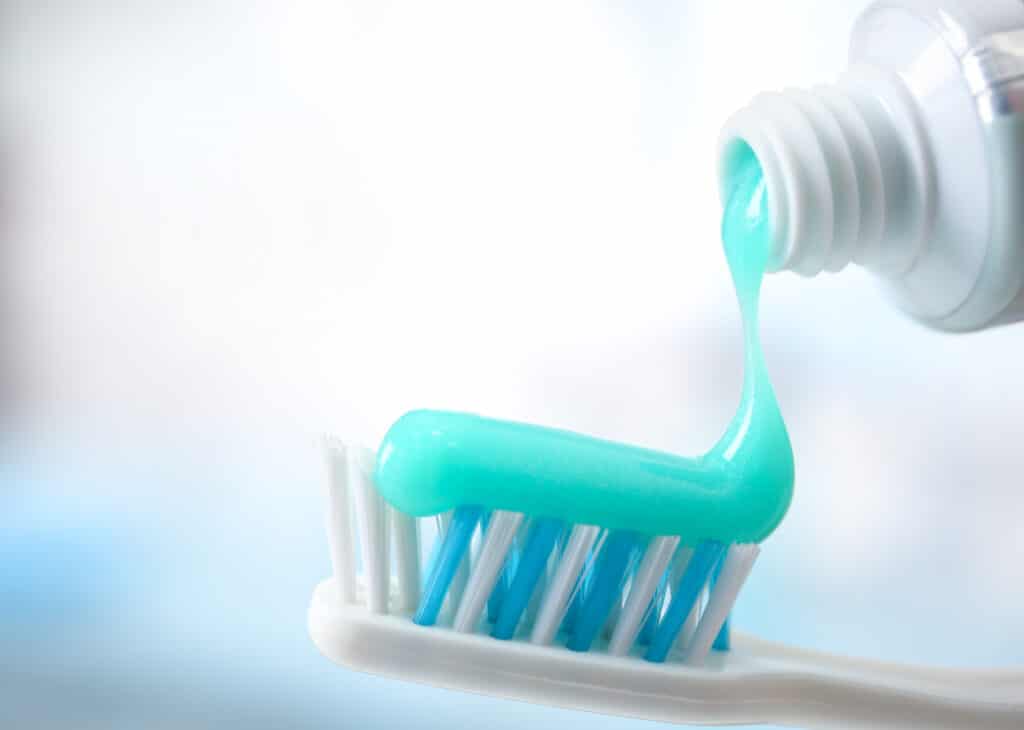
  • Toothpaste: Most toothpaste contains fluoride, so chances are, you’re getting it every time you brush your teeth.
  • City water: Most water contains trace amounts of fluoride, along with other minerals. Many cities add additional fluoride to their water systems in order to reach the optimal level, which is 0.7 parts per million.
  • Fluoride treatments: Your dentist can give you special treatments if necessary. These include foam, varnish, or gel, which are applied topically.
  • Drops: Children and infants can benefit from fluoride drops administered daily over a long period of time. The dosage depends on the amount of water present in your city’s water and the child’s age, so work with your dentist to determine how much to give your child.

#4. How Much Fluoride Should I Have?

Fluoride has numerous benefits when used in the correct amounts. The dosage varies depending on age, but for people 14 years and older, three to four milligrams per day is sufficient. Consult with your child’s dentist to determine the correct amount for their age.

It’s important not to get too much fluoride, especially for children. Too much while teeth are still developing can cause issues such as fluorosis, which is a chronic condition that causes brown or white flecks or pitting on the teeth. Fluorosis develops while teeth are still forming under the gums and cannot occur on teeth that have already grown in, which is why children under the age of eight years old are most at risk. 

Mild fluorosis is very common, affecting one in four people in the United States. It is characterized by light white areas on less than 50 percent of teeth’s surfaces. Moderate to severe fluorosis is much less common and can involve brown spots and pitting in addition to white spots.

4 Things You Should Know About Fluoride

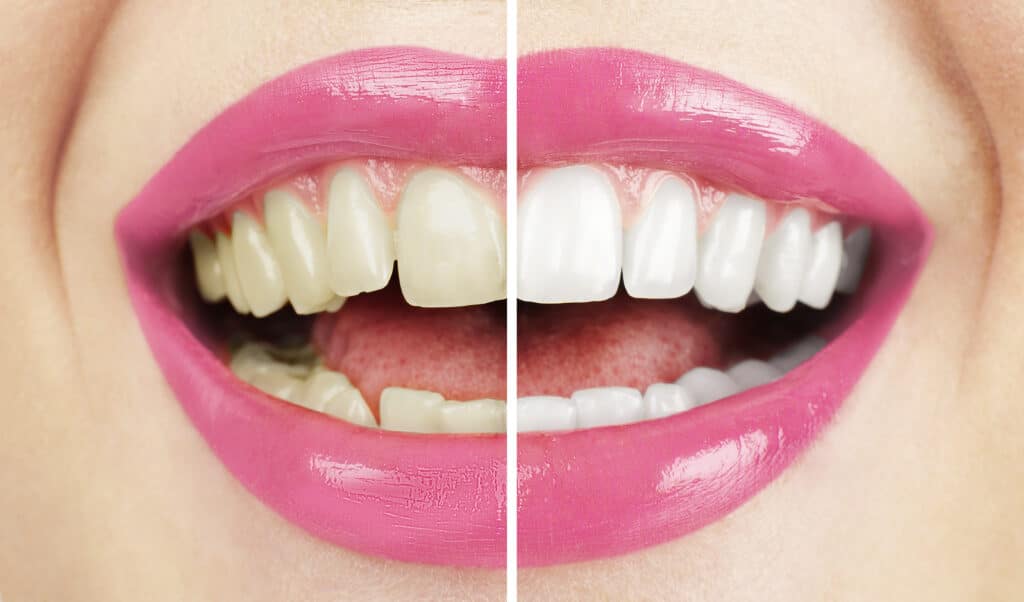
Fluorosis doesn’t go away on its own. The only ways to treat fluorosis are through enamel microabrasion, in which your dentist removes a small layer of enamel from your teeth, or with teeth whitening to help the teeth’s appearance look more uniform. Whitening may not be suitable for more intense cases of fluorosis, since it may not be enough to correct severe discoloration. The other options include dental bonding, veneers, or crowns to cover up stains and improve the appearance of the teeth.

You can prevent your child from developing fluorosis by ensuring they spit out their toothpaste instead of swallowing it and bringing them to the dentist for regular check-ups.

Professional Dentistry from Eric Felt, DDS

Whether you need extractions, cleanings, or root canals, the office of Eric Felt can help. We’re committed to improving the smiles of all our patients and ensuring their teeth are strong and healthy through our many treatments and services. Schedule an appointment with us today!

Filed Under: Dentist

  • « Previous Page
  • 1
  • …
  • 13
  • 14
  • 15
  • 16
  • 17
  • …
  • 22
  • Next Page »
office image
white logo

Contact

TEL: 801-533-9879

6800 S. Highland Drive, Suite 100
Cottonwood Heights, UT 84121

Hours

Monday 7:00 AM - 5:00 PM
Tuesday 7:00 AM - 5:00 PM
Wednesday 7:00 AM - 5:00 PM
Thursday 7:00 AM - 5:00 PM
Friday 7:00 AM - 5:00 PM*
Saturday Closed
Sunday Closed
*Third Friday of every month. Call for more information.

2026Eric Felt, D.D.S | All Rights Reserved | Privacy Policy | Terms | XML Sitemap | Sitemap | Site by PDM

https://www.mykindofdentist.com/wp-content/uploads/2022/07/hero-full-video.mp4