Eric Felt

Eric Felt, D.D.S

801-533-9879
Directions
  • Services
    • Cosmetic Dentistry
      • Dental Veneers
      • Teeth Whitening
    • General & Family Dentistry
      • Dental Cleanings & Exams
      • First Dental Visit
      • Periodontal Maintenance
      • Root Canal Therapy
      • Sports Mouth Guards
      • Tooth Extractions
      • Toothache Treatment
    • Emergency Dental Care
    • Pediatric Dentistry
      • Fluoride Treatments
      • Pediatric Dental Crowns
      • Pediatric Dental Fillings
      • Pediatric Emergency Dental Care
    • Restorative Dentistry
      • Dental Bridges
      • Dental Crowns
      • Dental Fillings
      • Dentures
  • About
    • Meet the Doctor
    • Meet the Team
    • Office Tour
    • Reviews
    • Blog
  • Directions
  • Patient Info
    • Financial Options
    • Make a Payment
    • Patient Forms
    • Reviews
    • Dental Care Special Offers
  • Contact Us
  • 801-533-9879

Everything You Should Know About Dry Mouth

Home | Dentist | Page 16

Request Appointment
Everything You Should Know About Dry Mouth

Everyone has experienced a dry mouth at some point in their lives. Occasional dry mouth isn’t a problem, but when it becomes a recurring issue, it may be indicative of certain oral health conditions and even cause other complications. Keep reading to learn about the causes, treatments, and prevention of dry mouth.

What Causes Dry Mouth?

At its core, mouth dryness, also known as xerostomia, is caused by an inadequate flow of saliva. When you have a dry mouth, in addition to feeling as if your mouth doesn’t have enough saliva, you may experience bad breath, sore throat, difficulty swallowing, hoarseness, increased thirst, a dry feeling in your nose, trouble eating or speaking, and issues with wearing dentures.

While dry mouth itself is not a disease, it can be a symptom of a disorder or a side effect of a medication. The following things can cause you to experience mouth dryness:

  • Mouth breathing: If you breathe through your mouth at night due to a stuffy nose or deviated septum, your mouth may dry out.
  • Medical conditions: You may experience mouth dryness as a symptom of many different medical conditions. These conditions include diabetes, Alzheimer’s disease, and stroke. Additionally, an autoimmune disorder occurring mostly in post-menopausal women called Sjogren’s syndrome causes the body to attack the glands that produce moisture, leading to an insufficient supply of saliva in the mouth.
  • Medications: Many medications can cause mouth dryness as a side effect, including antianxiety or antidepressant drugs, anticholinergics (drugs that treat incontinence, overactive bladder, and COPD), antihistamines, decongestants, pain medicine, and drugs treating high blood pressure or Parkinson’s disease.
  • Dehydration: If your body lacks enough fluids, your mouth will not be able to produce sufficient saliva. Dehydration may occur if you haven’t had enough water, are sick, or have been sweating excessively.
  • Chemo and radiation therapy: If you’re undergoing treatment for cancer, you may experience dryness in your mouth.

What Are the Risks of Dry Mouth?

Saliva is an important factor in keeping the mouth and teeth healthy because it rinses away harmful bacteria. Dry mouth may be an occasional nuisance for most people, but if you consistently experience a lack of saliva, other complications may arise, including cavities, tooth decay, tartar, and plaque buildup. 

How Do You Treat Dry Mouth?

Everything You Should Know About Dry Mouth

Because mouth dryness is often a symptom of other conditions, treatment may vary depending on the root cause. However, whatever the cause, the goal of dry mouth treatment is to manage the underlying condition, increase saliva flow, and prevent tooth decay. 

To treat mouth dryness, your healthcare provider will review any medications you take and evaluate the possibility of changing to a different medication that will not cause your mouth to dry out. They may also prescribe medication to treat the dry mouth and increase saliva production.

You can also treat mouth dryness at home. Chewing and sucking help stimulate saliva production, so try sucking on ice cubes, popsicles, or hard candy. Chewing gum and sipping water may also help. However, be careful with your sugar intake, since people with dry mouths are more likely to develop cavities and tooth decay. Look for sugar-free candy and gum whenever possible.

Over-the-counter products such as artificial saliva, specially-formulated toothpaste, and mouthwash can help treat mouth dryness. Lip balm and cool-mist humidifiers may also provide some relief.

If you experience mouth dryness, you should be extra vigilant about your oral health. Regular exams and cleanings can help prevent you from developing cavities and tooth decay caused by insufficient saliva.

Everything You Should Know About Dry Mouth

Can Dry Mouth Be Prevented?

You may not be able to prevent all causes of mouth dryness, but certain actions and behaviors may reduce your risk of dry mouth and its complications. 

Drink plenty of water — about eight glasses per day — and avoid caffeine, tobacco, and alcohol, which are known to cause dehydration. To prevent mouth dryness at night, try putting a cool-mist humidifier in your bedroom. If you can, avoid taking over-the-counter medications known to cause dry mouth, such as antihistamines and decongestants. Ask your doctor if there are alternatives to these medications that may work better for you.

All-Around Dental Care from Eric Felt DDS

At the office of Dr. Eric Felt, we pride ourselves on providing the very best dental care to all our patients. We offer general, family, and pediatric dentistry treatments, as well as cosmetic and restorative procedures. Our team is committed to ensuring you and your family have good all-around oral health and a sparkling smile. Request an appointment today!

Filed Under: Dentist

Tooth Discoloration: Causes, Treatment, and Prevention

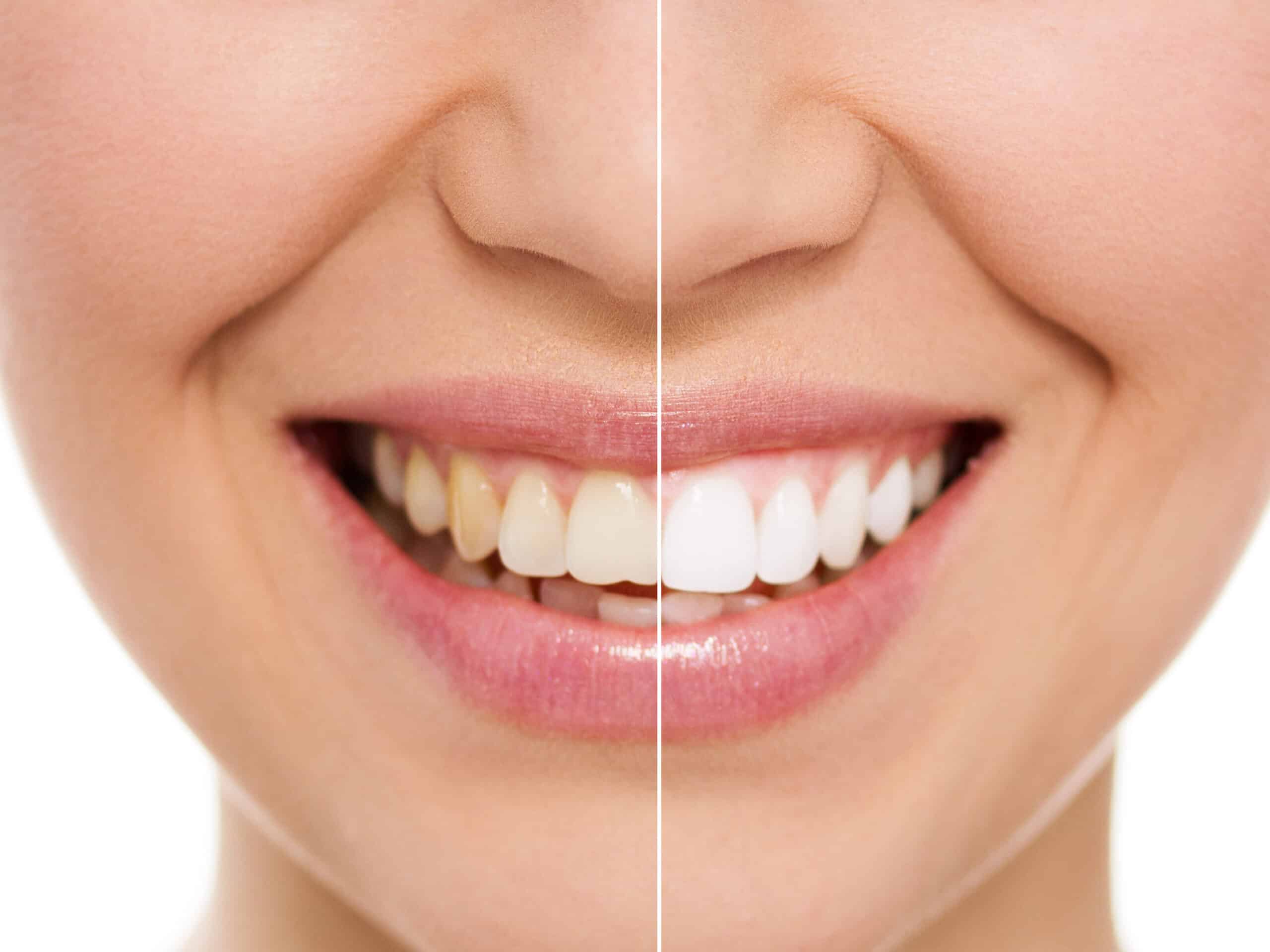
Discolored, yellow, or stained teeth can be a source of discomfort or embarrassment to many people. While discolored teeth aren’t always an indicator of poor oral health, many people choose to whiten them. There are many different options for those who want whiter teeth and even ways to prevent discoloration in the first place. Read on to discover the causes of tooth discoloration, the options available to remedy it, and the benefits and drawbacks of each method.

Causes and Prevention

Tooth Discoloration: Causes, Treatment, and Prevention

Most people’s teeth are naturally slightly yellow, not bright white; however, there are many different factors that can cause further staining or discoloration. Some are unavoidable, like aging or disease, but others can be prevented through proper oral hygiene and diet.

There are two different types of tooth discoloration: intrinsic and extrinsic. Intrinsic discoloration starts on the inside of your tooth and is caused by dental trauma or certain medications, and extrinsic discoloration affects the outside of the tooth and is caused by environmental factors, such as:

  • Food and beverages: Dark-colored drinks like coffee, tea, and soda, along with soy sauce, can cause yellow stains on the surface of your teeth. If you drink a lot of red wine, you may develop purple spots on your teeth.
  • Tobacco use: If you smoke or chew tobacco, you are likely to experience brown tooth discoloration.
  • Excessive fluoride: While in moderate amounts, fluoride strengthens teeth and prevents cavities, if you get too much, especially during childhood, it can cause you to develop a condition called fluorosis. Fluorosis causes white spots on your teeth’s enamel.
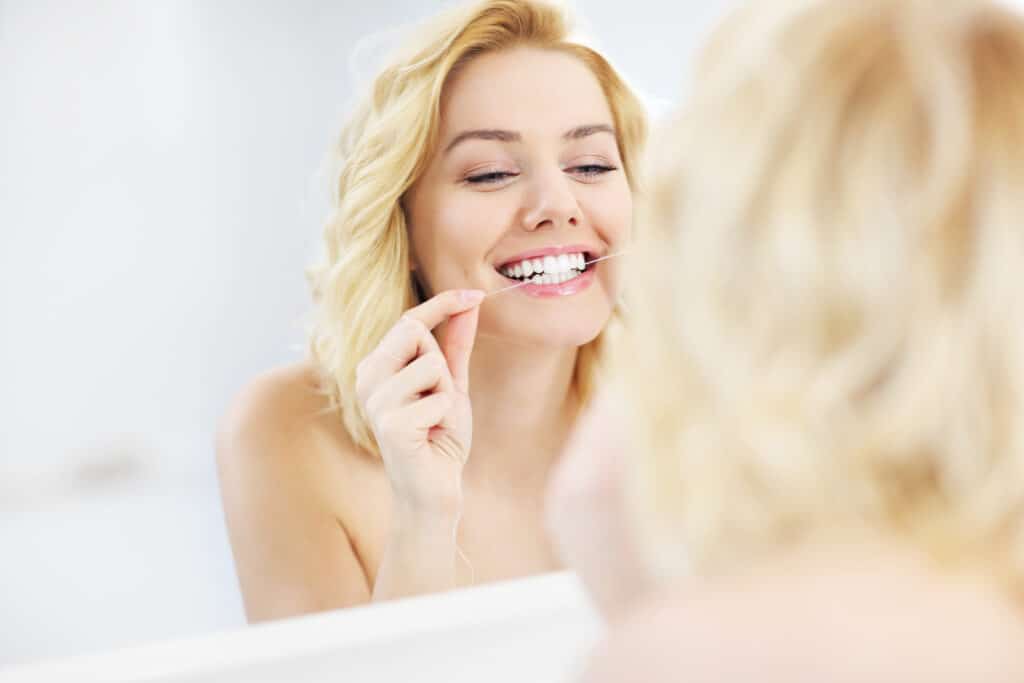
  • Poor dental hygiene: If you don’t remove and prevent plaque with regular brushing and flossing, the bacteria on your teeth can cause discoloration. Tooth decay appears as black spots on the teeth.

While these things are avoidable, some causes of tooth discoloration are not. These include:

  • Genetics: Natural tooth color varies from person to person.
  • Dental trauma: If your teeth encounter trauma from a fall, car crash, or sports injury, you may experience grayish discoloration, which can mean that the nerve inside the tooth has died. 
  • Aging: Tooth enamel wears down and becomes thinner as you age, which exposes the yellowish dentin underneath. 
  • Dental treatments: Sometimes, silver fillings can make your teeth appear grayish. Some root canal treatments can also cause tooth discoloration.
  • Disease: Some health conditions, such as liver disease, celiac disease, eating disorders, metabolic diseases, and calcium deficiency can cause teeth to become discolored.
  • Medications: You may experience tooth discoloration as a side effect of certain medications that treat allergies or high blood pressure. Additionally, if you took the antibiotics tetracycline or doxycycline as a child, you may notice tooth discoloration.
  • Cancer treatment: Both chemotherapy and radiation therapy have been known to cause tooth discoloration.

While you may not be able to prevent all causes of tooth discoloration, you can practice good dental hygiene, visit your dentist for routine cleanings, and limit the amount of food and drink known to cause staining you consume. Developing good habits helps prevent extrinsic discoloration and preserve the brightness of your smile.

Tooth Discoloration: Causes, Treatment, and Prevention

Whitening Options

If you would like to improve the appearance of your discolored teeth, there are many options available to you, from at-home treatments to professional teeth whitening at your dentist’s office.

At-Home Whitening Treatment

There are a plethora of over-the-counter treatments available at the drugstore that can help improve your teeth’s appearance, including bleaching trays, rinses, pastes, and strips; however, experts caution against using products with baking soda, charcoal, or citric acid, which can damage enamel and cause erosion. Talk to your dentist if you have questions about which product would be best for you.

Professional Teeth Whitening

Many people find professional teeth whitening treatments to be more effective than drugstore products. Professional whitening is a simple cosmetic dentistry procedure in which a powerful gel is applied to the surface of your teeth, either in the dentist’s office or as a take-home treatment. Many patients find that it helps improve discoloration in just one treatment, helping them feel more confident in their appearance and boosting their self-esteem.

Teeth Whitening at Eric Felt DDS

Whatever your dental needs are, the office of Dr. Eric Felt can help you! We offer cosmetic dentistry services such as teeth whitening and veneers, emergency dental care, general and family dentistry services such as cleanings and exams, pediatric dentistry, and restorative dentistry. Our office is located in Cottonwood Heights, Utah, and our team is proud to treat patients of all ages. Request an appointment today!

Filed Under: Cosmetic Dentistry, Dentist Tagged With: cosmetic dentistry, teeth whitening, tooth discoloration

dental veneers

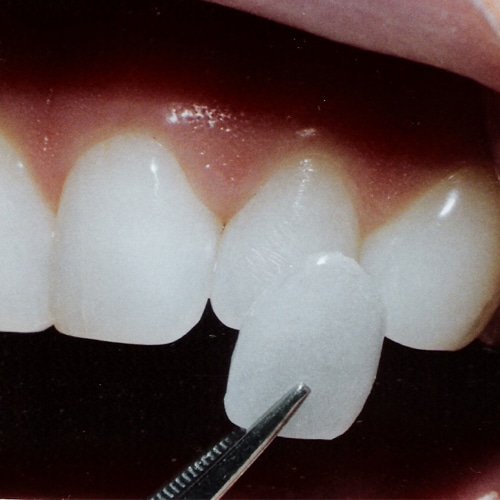
Veneers, a type of cosmetic dentistry, are thin shells made of porcelain or resin that are bonded to the front surface of your teeth to help improve the appearance of your teeth and help your smile appear brighter and whiter. Dental veneers can disguise a number of different imperfections, and there are many different types of veneers available depending on your specific needs.

How do they work?

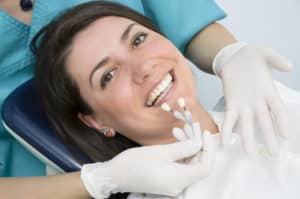
In your initial appointment or consultation, your dentist will perform an examination to make sure you’re an ideal candidate for veneers. If they determine your teeth and gums are right for veneers, they will take impressions of your teeth. Those impressions will be sent to a dental lab technician, who will use them to create your custom veneers. This process can take a few weeks.

Once your veneers are ready to apply, your dentist will check the shape and color before placing them on your teeth using dental cement. They may use anesthesia for certain patients or types of veneers, but it is generally not required.

As long as you do not get anesthesia, there is no downtime for veneer placement, and patients can return to their normal daily activities and eat and drink immediately following the procedure.

What are the benefits of veneers?

What Are Dental Veneers?

Veneers are a great option for people who want to enhance their smile. They cover discoloration or stains on the surface of the teeth, disguise chipped, uneven, or broken teeth, and make teeth appear straighter and more uniform.

Although they fix the appearance of certain imperfections, if you have extensive cavities, tooth decay, or gum disease, you may not be a good candidate for veneers. A consultation with your dental provider can help you determine if veneers are right for you.

Veneers also resist staining better than your natural tooth enamel, meaning you won’t have to worry as much about the types of food and drinks you enjoy and whether they may cause discoloration.

What Are The Different Types of Veneers?

There are several different options when it comes to dental veneers. Your dentist can help you decide which is right for you based on your desired results and individual needs.

Porcelain veneers

Porcelain veneers are the strongest and longest-lasting type of veneers; however, they are permanent because they require some tooth shaving before placement. The placement procedure is more lengthy and invasive, but porcelain veneers rarely injure gums and other soft tissue and give a natural-looking effect.

Composite veneers

These veneers are made of composite resin, which is a mixture of different types of organic and inorganic materials. This material is the same resin used in some tooth-colored fillings. They blend in with the natural tooth color but may stain over time.

Although the resin is strong, it is not as durable as porcelain and may not last as long. Like porcelain veneers, composite veneers are permanent.

No-prep veneers

These veneers are a less invasive option and require less enamel to be shaved off of teeth before placement. Although the placement process is quicker for no-prep veneers than other types, it will still take some time for your dentist to prepare your teeth. These are also considered to be permanent.

Removable, temporary, or snap-on veneers

These veneers are a less-expensive alternative to pricier porcelain or composite veneers but are not as natural-looking and are prone to plaque build-up, which can harm gums over time. 

How do I care for my veneers?

What Are Dental Veneers?

Veneers don’t usually require any additional maintenance, and with proper care and good hygiene practices such as regular brushing with a soft-bristled toothbrush, flossing, using mouthwash, and professional dental cleanings, they can last 10 to 15 years.

If you have veneers, you should avoid biting directly into hard or crunchy foods, since these foods can damage the veneers. Instead, cut these foods up into small pieces and chew them with your back teeth.

Additionally, you should avoid whitening products, since they could scratch your veneers. But since veneers are stain-resistant, you shouldn’t need whitening products anyway!

Cosmetic Dentistry from Dr. Eric Felt

Dr. Felt serves patients in the Cottonwood Heights area of Northern Utah. In addition to cosmetic procedures like veneers and teeth whitening, his office offers many other services, including general and family dentistry, emergency dental care, pediatric dentistry, and restorative dentistry. If you’re considering a cosmetic dentistry procedure, need a professional cleaning, or need a surgical procedure such as a root canal or extraction, Eric Felt DDS can help you out! Contact us today to get started.

Filed Under: Cosmetic Dentistry, Dentist Tagged With: cosmetic dentistry, cosmetic veneers, veneers

  • « Previous Page
  • 1
  • …
  • 14
  • 15
  • 16
  • 17
  • 18
  • …
  • 22
  • Next Page »
office image
white logo

Contact

TEL: 801-533-9879

6800 S. Highland Drive, Suite 100
Cottonwood Heights, UT 84121

Hours

Monday 7:00 AM - 5:00 PM
Tuesday 7:00 AM - 5:00 PM
Wednesday 7:00 AM - 5:00 PM
Thursday 7:00 AM - 5:00 PM
Friday 7:00 AM - 5:00 PM*
Saturday Closed
Sunday Closed
*Third Friday of every month. Call for more information.

2026Eric Felt, D.D.S | All Rights Reserved | Privacy Policy | Terms | XML Sitemap | Sitemap | Site by PDM

https://www.mykindofdentist.com/wp-content/uploads/2022/07/hero-full-video.mp4