
Eric Felt

Eric Felt, D.D.S

801-533-9879
Directions
  • Services
    • Cosmetic Dentistry
      • Dental Veneers
      • Teeth Whitening
    • General & Family Dentistry
      • Dental Cleanings & Exams
      • First Dental Visit
      • Periodontal Maintenance
      • Root Canal Therapy
      • Sports Mouth Guards
      • Tooth Extractions
      • Toothache Treatment
    • Emergency Dental Care
    • Pediatric Dentistry
      • Fluoride Treatments
      • Pediatric Dental Crowns
      • Pediatric Dental Fillings
      • Pediatric Emergency Dental Care
    • Restorative Dentistry
      • Dental Bridges
      • Dental Crowns
      • Dental Fillings
      • Dentures
  • About
    • Meet the Doctor
    • Meet the Team
    • Office Tour
    • Reviews
    • Blog
  • Directions
  • Patient Info
    • Financial Options
    • Make a Payment
    • Patient Forms
    • Reviews
    • Dental Care Special Offers
  • Contact Us
  • 801-533-9879

Acid Reflux: 5 Tips To Protect Your Teeth From Stomach Acid

Home | Dentist | Page 18

Request Appointment

Acid reflux is common, with about 20% of Americans suffering from GERD (gastroesophageal reflux disease). When stomach acid comes up into your esophagus, it causes a burning sensation in your chest known as heartburn. Exposure to stomach acid can lead to adverse symptoms, including tooth erosion. As such, it’s important to do what you can to protect your teeth from acid reflux.

What Causes Acid Reflux? 

Doctors aren’t always sure what causes acid reflux. There are some common causes. You can experience it later in life even if you never have before. It can occur in families due to similar diets and eating habits.

Some common causes of acid reflux include:

  • Stomach abnormalities. 
  • Pregnancy.
  • Smoking.
  • Being overweight.

Certain foods are known to trigger acid reflux symptoms. These include:

  • Citrus fruits
  • Fried foods
  • Fatty foods
  • Alcohol
  • Carbonated beverages
  • Caffeine
  • Spicy foods
  • Chocolate
  • Tomatoes
  • Garlic
  • Onions
  • Mint

Eating too close to bedtime or lying down right after eating can lead to acid reflux. So can wearing tight-fitting clothes, taking aspirin or ibuprofen, and overeating.

What Does Acid Reflux Do To Your Teeth?

When people experience heartburn, they’re most focused on that burning sensation in their chest. They may also have a sour or bitter taste in their mouth. They may regurgitate what they ate, exposing their throat and teeth to stomach acid. 
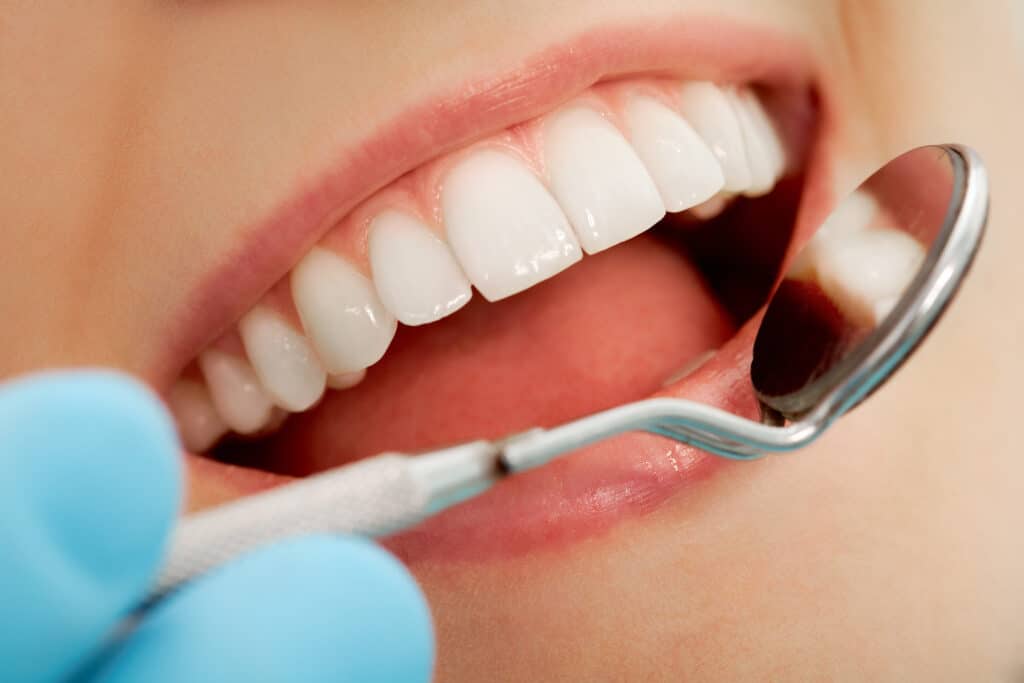
Acid Reflux: 5 Tips To Protect Your Teeth From Stomach Acid

While people who suffer from acid reflux are often most concerned with the damage the exposure to stomach acid does to the esophagus, it can also damage your teeth. 

Stomach acid is extremely erosive. It can eat away at your tooth enamel and cause long-term damage. Unfortunately, enamel loss is permanent. It weakens your teeth and increases your risk for tooth decay. It also makes your teeth more sensitive to temperatures and sweets. Over time, tooth erosion from acid reflux can lead to thin, sharp, and pitted teeth.

Can Your Dentist Tell If You Have Acid Reflux?

Your dentist may be able to tell if you have acid reflux if you have enamel erosion on your molars or the backside of your teeth. 

If your acid reflux is a new development or has yet to cause damage like this, tell your dentist. They will be able to provide you with personalized advice on what you can do in order to protect your teeth. 

It is important to see your dentist every 6 months in general. If you suffer from heartburn, it is especially important to ensure that you are seeing your dentist as recommended. Once the enamel is gone, you cannot get it back. While you can get restorations like veneers or crowns, it’s best to protect your teeth however you can. 

Ways To Protect Your Teeth With Acid Reflux

There’s no need to panic just yet – just because you have acid reflux does not mean you cannot protect your teeth from erosion. Some of the best things that you can do to protect your teeth are as follows.

#1. Talk To Your Doctor

You especially want to do this if heartburn is a persistent, ongoing problem for you. Your doctor will be able to help you figure out specific parts of your lifestyle that could be worsening your symptoms. They may prescribe medication or recommend medical treatment options. In rare cases, you may be a candidate for surgery. Your doctor will be able to help you determine the best course of treatment for you.

#2. See Your Dentist As Recommended

Typically, this is every 6 months. However, your dentist may recommend more frequent appointments depending on your specific circumstances. While most people don’t like going to the dentist, it’s essential in order to address problems before they get the chance to escalate into severe conditions. Filling a cavity is better than losing a tooth and having to get an implant, after all.

#3. Adjust Your Lifestyle As Needed

There are general guidelines that people with heartburn and reflux diseases are given to improve and control their symptoms. Some of these include:

  • Losing weight if you are overweight.
  • Avoiding tight-fitting clothes
  • Avoiding foods and drinks that trigger reflux
  • Quitting smoking
  • Avoiding eating several hours before bed
  • Staying upright for several hours after eating

#4. Don’t Brush Your Teeth Immediately After Experiencing Reflux

Instead, wait an hour or so. This is because acid weakens your enamel. If you were to brush your teeth right away, you could end up causing further damage to your teeth. Instead, you can rinse your mouth with water. You may dissolve baking soda in this water to neutralize the acid.

#5. Practice Good Oral Hygiene

This includes brushing your teeth twice a day for two minutes at a time, flossing once a day, and seeing your dentist as recommended. Your dentist may have specific recommendations to help you protect your teeth, such as using a fluoride mouthwash. 

Your dentist may also make recommendations like wearing a mouthguard at night or fluoride treatments. In order to determine the best course of action for you, it’s best to consult with your dentist and your doctor.

Let Us Help You Protect Your Teeth

We here at Eric Felt Dental are here to help you keep your teeth strong and healthy as can be. If you need advice on how to care for and protect your teeth, do not hesitate to schedule an appointment. 

Filed Under: Dentist

When playing sports, there are many objects, other people, and tools that can cause injuries. Those playing contact sports will need to wear a mouth guard to protect their teeth and maintain their oral health. Wearing a mouth guard while playing sports can actually help you save money and feel confident in your smile.

Eric Felt D.D.S. offers sports mouthguards for patients to help protect their adult teeth. Custom-made mouthguards are the most effective method for protecting your smile and comfortably fitting your mouth. In this blog, you will learn more about the benefits of mouthguards for athletes. 

1- Protect Your Teeth From Getting Knocked Out

The most obvious benefit of wearing a well-fitting mouthguard is preventing knocked-out or chipped teeth while playing sports. Getting hit in the face with a ball, falling, getting shoved, jumping, or other strong movements can lead to the loss of teeth. Athletes need mouthguards to help keep your teeth secure in your gums and prevent the need for a visit to the dentist. 

2- Prevent Gum Damage While Wearing Braces

athletes need mouth guards

For young teens, getting braces is almost a normal part of puberty and teenage life. Playing sports may not seem to interfere with sports, but braces can cause cuts, or bruises inside your mouth when bumped or rubbed the wrong way. Athletes need mouthguards that are fitted around braces to prevent them from cutting up the soft tissue inside the mouth. While cuts from wires and brackets may not seem that bad, they can be painful and lead to infection in your mouth if not cared for in a timely manner. 

3- Save Money And Time On Dental Emergencies

Dental emergencies can be extensive and cost a lot of money. Dealing with dental emergencies also means getting to a dentist in a timely manner to prevent too much blood loss. Dental emergencies are never convenient, but dealing with them during the middle of a game or late at night can complicate things. Wear a mouthguard to help prevent the need for emergency dental visits and save money on the procedures. 

4- Avoid Injury To Lips, Cheeks, And Tongue

Your teeth are very strong and can cut through food and other substances easily. While your brain normally stops you, often when you are not paying attention your teeth can bite into your tongue, lip, or cheek and cause bleeding and cuts. This can be dangerous when enough force is applied and could even sever your tongue. Athletes need mouth guards to help prevent talking and eating struggles from unnecessary injuries while playing contact sports. Wearing a mouth guard can help prevent your sharp teeth from causing injury to fleshy parts of your mouth. 

5- Prevent Concussions

Wearing a helmet will be the first line of defense against concussions, but a well-fitting mouthguard will help absorb the shock of a fall or hit. A mouthguard will help limit the movement of the jaw and protect against damaging concussions, which is a very popular occurrence in sports. When playing sports athletes need mouthguards and safe helmets. 

Mouth Guards With Eric Felt D.D.S. 

Playing sports can be dangerous but many people enjoy the physical exercise, adrenaline rush, and the comradery which outweigh the risks. Eric Felt D.D.S. wants to help keep sports fun and safe for your teeth. Oral health is important while still playing sports. Taking action to have a well fitted mouthguard and keep it clean will ensure you have a great smile. 

Prevent the need for stitches, dental procedures, or fake teeth by properly caring for your teeth during sports and after the game is over. Eric Felt D.D.S. offers dental cleanings, tooth extractions, root canals, teeth whitening, dental crowns, dentures, and more. Contact our team to get schedule your first appointment today. 

Filed Under: Dentist

Many patients feel a large amount of pain and stress after oral surgery and wisdom teeth removal. Going to sleep after the procedure can seem scary, but there are some tips to help you get a restful night’s sleep without too much worry. Sleeping after wisdom teeth removal can be comfortable and helpful in your healing process. 

If you have any concerns about your surgery sites or what you can and cannot do, contact your dentist or oral surgeon as soon as possible. As long as you follow the aftercare steps from your surgeon and bleeding starts to slow down, your wisdom teeth sites will heal.

1- Take Pain Medication As Prescribed

Limiting pain during the healing process is possible when you take your pain medication as prescribed or take over-the-counter pain medication as recommended. This will help limit the pain you feel while starting to fall asleep and reduce the number of times you wake up during the night. 

Ibuprofen and other medications will also help reduce swelling. This is important for healing surgery sites and can help make your mouth more comfortable. Reducing swelling will help your body heal the affected areas quickly and make it easier for you to eat after surgery as well. 

2- Elevate Your Head

sleeping after wisdom teeth removal

Applying ice and heat while keeping your head elevated are great ways to keep your wisdom teeth surgery sites from swelling. It is best to sleep with your head slightly elevated in order to reduce swelling. Elevating your head will also help your blood to flow downward instead of to the surgical site, which can aid in healing. 

3- Sleep On Your Side

There are many mixed reviews on the position that is best for sleeping after wisdom teeth removal. Sleeping on your side or even at all after wisdom teeth removal can be tricky, but following what your body is telling you to do is the best way to heal quickly. It may be easier to keep your head elevated while sleeping on your side, but if your surgery sites are painful, it can be a better option to sleep on your back or sleep sitting up. 

4- Apply Ice

Alternating between ice and heat will help reduce swelling and limit pain in your surgery sites. If you want to aid in getting a good night’s sleep, apply ice before heading to bed to reduce puffiness. You can also sleep with a cold rag or ice pack wrapped in a towel while you sleep, but this could cause damage to your skin if you are not careful. 

It is recommended to apply ice for 10 to 20 minutes at a time, so doing so before you fall asleep should help make your jaw comfortable enough to fall asleep. 

5- Follow The Tips From Your Dentist Or Surgeon

Sleeping after wisdom teeth removal may not be listed on the instruction sheet from your dentist, but if you have someone with you, have them ask what you should do to get the most rest possible. It is also helpful to follow the other instructions as this will help to prevent infection and a longer healing process and in turn, affect your quality of sleep. 

Avoid drinking out of straws, stop drinking alcohol and smoking until you have healed, avoid staying up too late, and take your medications as prescribed. Keeping the wisdom teeth sites clean and healthy will help make your recovery time much quicker. The shorter your recovery time, the quicker you can get back to normal sleep. 

Tooth Extractions With Eric Felt D.D.S. 

Our dental office offers tooth extractions that may be necessary for a variety of reasons. Overcrowding in your mouth or severe tooth decay are just some of the reasons you may need to have a permanent tooth removed. We help to make you feel comfortable and at ease when having tooth extractions in our office. Our dental staff also helps to give you clear instructions for your aftercare. Sleeping after wisdom teeth removal may seem overwhelming, but getting good sleep and resting from normal activities will help you to heal properly.

If you are looking for other dental services, our practice is here to serve you! We love seeing you smile and offer services like dental cleanings, crowns, teeth whitening, and more to make sure your oral health is the best it can be. Contact us today!

Filed Under: Dentist

  • « Previous Page
  • 1
  • …
  • 16
  • 17
  • 18
  • 19
  • 20
  • …
  • 22
  • Next Page »
office image
white logo

Contact

TEL: 801-533-9879

6800 S. Highland Drive, Suite 100
Cottonwood Heights, UT 84121

Hours

Monday 7:00 AM - 5:00 PM
Tuesday 7:00 AM - 5:00 PM
Wednesday 7:00 AM - 5:00 PM
Thursday 7:00 AM - 5:00 PM
Friday 7:00 AM - 5:00 PM*
Saturday Closed
Sunday Closed
*Third Friday of every month. Call for more information.

2026Eric Felt, D.D.S | All Rights Reserved | Privacy Policy | Terms | XML Sitemap | Sitemap | Site by PDM

https://ericfeltdds.wpengine.com/wp-content/uploads/2022/07/hero-full-video.mp4