
Eric Felt

Eric Felt, D.D.S

801-533-9879
Directions
  • Services
    • Cosmetic Dentistry
      • Dental Veneers
      • Teeth Whitening
    • General & Family Dentistry
      • Dental Cleanings & Exams
      • First Dental Visit
      • Periodontal Maintenance
      • Root Canal Therapy
      • Sports Mouth Guards
      • Tooth Extractions
      • Toothache Treatment
    • Emergency Dental Care
    • Pediatric Dentistry
      • Fluoride Treatments
      • Pediatric Dental Crowns
      • Pediatric Dental Fillings
      • Pediatric Emergency Dental Care
    • Restorative Dentistry
      • Dental Bridges
      • Dental Crowns
      • Dental Fillings
      • Dentures
  • About
    • Meet the Doctor
    • Meet the Team
    • Office Tour
    • Reviews
    • Blog
  • Directions
  • Patient Info
    • Financial Options
    • Make a Payment
    • Patient Forms
    • Reviews
    • Dental Care Special Offers
  • Contact Us
  • 801-533-9879

What to Do if One of Your Permanent Teeth is Loose

Home | Dentist | Page 9

Request Appointment
What to Do if One of Your Permanent Teeth is Loose

Realizing that one of your permanent teeth is loose can be an anxiety-inducing experience. Unlike baby teeth, which are supposed to become loose and fall out, your permanent teeth are meant to last your entire life. 

Understanding why your tooth is loose and determining the appropriate steps to take can help you manage the situation effectively and prevent any further complications.

Why Might a Permanent Tooth Become Loose?

There are several possible reasons why one of your permanent teeth might become loose:

Gum Disease (Periodontal Disease)

Gum disease is among the most common causes of loose permanent teeth in adults. It begins as gingivitis, or gum inflammation, and can progress to periodontitis, where the gums and bone are damaged. This damage can cause the permanent teeth to become loose as the bone deteriorates.

Trauma or Injury

A blow to the mouth, accident, or other trauma can damage the bone and ligaments that hold the tooth in place, causing it to become loose.

Bruxism (Teeth Grinding)

Chronic clenching or grinding of the teeth, whether during the day or while sleeping at night, can wear down the supporting tissues and lead to loose permanent teeth.

Orthodontic Treatment

In some cases, orthodontic treatments like braces or aligners can temporarily loosen teeth as they move. This is not usually a cause for concern — by the time orthodontic treatment is complete, your teeth should be secure in their new positions.

Osteoporosis

Osteoporosis weakens the bones, including the jawbone, which may result in loose teeth.

Other Health Conditions

Other health conditions like diabetes or rheumatoid arthritis can also affect gum and bone health, leading to loose permanent teeth.

Immediate Steps to Take

If you notice that one of your permanent teeth is loose, it’s essential to take immediate action to stabilize the tooth and prevent further damage.

  • Avoid wiggling the tooth: Resist the temptation to wiggle or touch the loose tooth with your fingers or tongue. These actions can cause further damage to the surrounding tissues.
  • Maintain good oral hygiene: Gently brush your teeth with a soft-bristled toothbrush and use antibacterial mouthwash to reduce bacteria and plaque buildup around the loose tooth.
  • Avoid hard foods: Stick to eating soft foods, and avoid chewing on the side of your mouth with the loose tooth. Sticky or hard foods can exacerbate the issue.
  • Rinse with saltwater: Rinsing your mouth with saltwater can help reduce inflammation and keep the area clean.
  • Visit your dentist promptly: Schedule an appointment with your dentist as soon as possible. Early intervention is the key to saving a loose permanent tooth.

Treatment Options

At your appointment, your dentist will assess the situation and determine the appropriate treatment based on the cause of the issue and the severity of the looseness. 

What to Do if One of Your Permanent Teeth is Loose

Professional Cleaning

If one of your permanent teeth is loose due to gum disease, periodontal maintenance can help. Deep-cleaning procedures called scaling and root planing can remove stubborn plaque and tartar buildup from below the gumline to promote healing.

Medications

Medications such as antibiotics may be prescribed by your dentist to combat infection and reduce gum inflammation.

Splinting

If your tooth became loose due to trauma, your dentist may stabilize it with a splint, which is a thin piece of metal or composite material. The splint is bonded to the adjacent teeth to hold the affected tooth in place while it heals. 

Night Guard

For teeth loosened by bruxism, your dentist may recommend a night guard or give advice on how to prevent further grinding.

Surgical Options

Advanced periodontal disease may necessitate surgical interventions, such as flap surgery or bone grafts, to restore the tooth’s supporting structures.

Tooth Extraction and Replacement

If your tooth can’t be saved, it may need to be extracted. Replacement options like bridges, implants, and dentures can restore function and appearance.

Preventing Loose Permanent Teeth
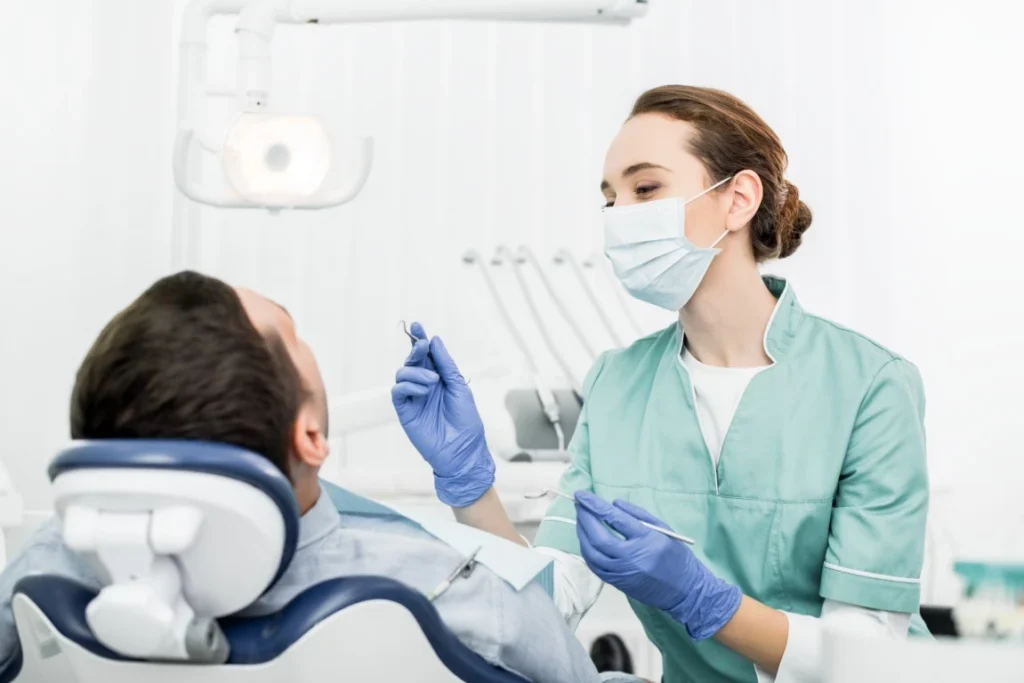
What to Do if One of Your Permanent Teeth is Loose

Preventing loose permanent teeth involves maintaining good oral hygiene and addressing any underlying health issues. Ensure you visit your dentist regularly for check-ups and professional cleanings. Detecting gum disease or other issues early can help you avoid tooth loss.

Additionally, brush at least twice per day and floss daily to remove plaque and prevent gum disease. Avoid smoking, as it increases the risk of gum disease and can exacerbate dental problems.

Keep conditions like diabetes under control with proper medical care and lifestyle choices, including eating a diet rich in vitamins and minerals known to support bone and gum health.

Dental Care at Eric Felt DDS

A loose permanent tooth is a dental emergency that requires immediate attention. If you’ve noticed that one of your permanent teeth is loose, contact Eric Felt DDS as soon as possible to receive the expert dental care you need to protect your smile.

Filed Under: Dentist

Is Chewing Gum Good for Your Teeth?

We’ve all been there — reaching for a stick of gum to freshen our breath after finishing a meal or before meeting a friend. According to the commercials we see all the time on TV, chewing gum doesn’t just freshen your breath; it also comes with a myriad of oral health benefits. But are these claims true, or are they myths designed to sell us more gum?

In this blog post, we’ll uncover the truth about chewing gum and discover whether or not it’s actually beneficial for your oral health. 

Understanding the Basics

Chewing gum, in its various forms, has been around since the Neolithic period. Ancient people all over the world, from the Mayans to the Ancient Greeks, chewed gum made from tar, tree resin, plants, and grasses. Some of these substances even had antiseptic or medicinal properties, providing oral health benefits.

Today, we have endless options, from flavor to ingredients to purported oral health advantages. However, none of these factors matter as much as sugar content. While chewing sugar-free gum can be a beneficial supplement to your oral care routine, gum that contains sugar may do more harm than good.

Oral Health Benefits of Chewing Gum

The only chewing gum products that have earned the American Dental Association’s Seal of Acceptance are sugar-free. The benefits of chewing sugar-free gum include:

Stimulates Saliva Production

Saliva is the unsung hero of oral health, helping to wash away food particles that get trapped in all the nooks and crannies of your mouth after eating. It also helps neutralize acids that wear away teeth enamel. Without sufficient saliva production, you may experience cavities, sensitivity, tooth decay, plaque buildup, and tartar.

Chewing gum can alleviate the destructive effects of dry mouth by stimulating saliva production. In fact, studies show that chewing unsweetened, unflavored chewing gum can increase salivary flow by 10 to 12 times its base rate. Saliva production is even further stimulated by chewing flavored gum.

Reduces Plaque and Tartar

Increasing salivary flow is not the only way chewing gum can reduce plaque and tartar formation. Many types of gum include xylitol, a natural sugar alcohol found in plants that’s often used as a sugar substitute due to its sweet taste. 

Xylitol is known to reduce harmful oral bacteria, especially Streptococcus mutans, which is a major offender when it comes to plaque formation. It may also increase calcium absorption, strengthening your teeth.

Improves Breath

Nobody likes being around someone with bad breath. Halitosis can occur due to a variety of factors, most of which are related to bacterial growth in the mouth. Causes may include the breakdown of food particles in the mouth, poor dental hygiene, and dry mouth.

Fortunately, chewing gum can be a shield against bad breath, and not just because of its minty flavor. By stimulating saliva production and reducing plaque and tartar buildup, it contributes to a healthier mouth environment, helping to keep breath nice and fresh.

chewing gum Cottonwood Heights UT

Potential Downsides of Chewing Gum

However, chewing gum comes with some potential negative effects, as well. These downsides include:

Sugar Content

Chewing gum that contains sugar often does more harm than good. Oral bacteria feed on sugar, producing acids that cause cavities and tooth decay. To protect your teeth from damage, ensure your gum is sugar-free.

Jaw Problems

While an occasional stick of gum is unlikely to cause issues, excessive chewing can contribute to temporomandibular joint (TMJ) disorders. The repetitive motions of chewing gum can increase inflammation, leading to pain and discomfort. It can also tighten your facial muscles, which can cause headaches and migraines. 

Additionally, chewing gum makes a habit of clenching your jaw, which can lead you to subconsciously grind your teeth, a condition known as bruxism.

Best Practices

To maximize the benefits of chewing gum, choose sugar-free gum with the ADA Seal of Acceptance, and chew gum in moderation. If you’re prone to TMJ pain, headaches, or tooth grinding, chewing gum may not be the best option for you. Talk to your dentist for personalized recommendations and advice.

It’s also important to note that chewing gum is not a substitute for good oral hygiene practices such as brushing and flossing. It’s meant to supplement these habits, not replace them.

Dental Care That Fits Your Lifestyle

At Eric Felt DDS, we are committed to providing individualized dental care that fits your unique lifestyle. Contact us today to schedule an appointment and experience the difference enhanced oral health can make in your quality of life.

Filed Under: Dentist

Proper denture care, dental care in Cottonwood Heights, UT

Many older dental patients have dentures to help them keep their oral health intact. Caring for your dentures requires more than just rinsing them. It is important to maintain your dentures with proper cleaning, maintenance, and storage if you want them to last. This blog will share our professional tips on how proper denture care will extend the use of this dental tool. Following these steps will ensure you can eat, talk, and sleep normally. 

Implement A Daily Cleaning Routine

One of the most important ways to care for your dentures is to clean them regularly. Just like brushing your teeth, a daily cleaning routine will help remove food particles that can lead to bacteria growth. Your daily cleaning routine may look different from another denture user’s routine depending on your daily activity. 

Your daily cleaning routine should include rinsing after eating, brushing the dentures at night, and letting them soak overnight in the proper solution. Using denture-approved toothpaste (one that isn’t too abrasive) and the soaking solution will help them from becoming damaged or dried out. 

Store Dentures Properly When Not In Use

During the evening dentures should be stored in the proper solution. Not only does this help keep them from drying out but it kills harmful bacteria, helps the dentures hold their shape, and makes them soft and wearable. 

Dentures Eric Felt DDS Cottonwood Heights Utah

If you don’t have denture solution, you can store them in cool water while not in use. Hot water can warp the dentures and make them uncomfortable to wear. Keeping the dentures moist will help them to last longer and fit snuggly in your mouth. 

Follow Normal Oral Hygiene Practices

Proper denture care requires you to treat the tool as if it were your natural teeth. Brushing your dentures, rinsing with water, and flossing can help keep the dentures in great shape. Keeping up on regular oral hygiene practices will prevent you from getting infections or damaging dentures. your regular brushing and flossing will also help keep your dentures in great shape.

Proper Denture Care= Regular Dental Checkups

Your dentist will be able to help monitor your dentures and ensure that they are being worn correctly. If your dentures have become warped or cause you discomfort, a dentist will be able to help. During a dental checkup, they will also check for signs of irritation, infection, or deterioration. 

Proper denture care will ensure that your dentures fit comfortably and don’t lead to sores in your mouth. Even if your dentures start to cause issues, visiting your dentist will help catch problems early and provide a remedy for you. 

Avoid Hard Or Crunchy Foods

Similar to braces, hard or crunchy foods can damage your dentures. Sticky candies, jawbreakers, chips, or hard cookies could fracture the dentures. Consistently eating hard foods will weaken your dentures and make them more susceptible to damage. 

Limit Staining Foods

Similar to your real teeth, harsh foods can cause staining to your dentures. Wine, coffee, soda, or acidic fruits can change the color of your dentures. High acidity will weaken the dentures and may shorten the time that they can be worn. Staining foods can affect how your dentures look which in turn could affect your confidence. 

Dentures From Eric Felt D.D.S.

Proper Denture Care: Cleaning, Maintenance, And Other Essential Tips

Losing teeth can be very frustrating, but dentures can help many patients feel better about their smiles and improve their oral health. These oral appliances are customized to fit your mouth perfectly. Our team wants your dentures to feel like real teeth and restore proper function to your mouth.


Eric Felt D.D.S. can recommend the best denture options or implant options to fit your needs. These restorative dental practices will help improve patients’ ability to eat and speak normally. We invite you to schedule an appointment with us to learn about your options. Give us a call to get started on your oral health journey.

Filed Under: Dentist

  • « Previous Page
  • 1
  • …
  • 7
  • 8
  • 9
  • 10
  • 11
  • …
  • 22
  • Next Page »
office image
white logo

Contact

TEL: 801-533-9879

6800 S. Highland Drive, Suite 100
Cottonwood Heights, UT 84121

Hours

Monday 7:00 AM - 5:00 PM
Tuesday 7:00 AM - 5:00 PM
Wednesday 7:00 AM - 5:00 PM
Thursday 7:00 AM - 5:00 PM
Friday 7:00 AM - 5:00 PM*
Saturday Closed
Sunday Closed
*Third Friday of every month. Call for more information.

2026Eric Felt, D.D.S | All Rights Reserved | Privacy Policy | Terms | XML Sitemap | Sitemap | Site by PDM

https://www.mykindofdentist.com/wp-content/uploads/2022/07/hero-full-video.mp4