Eric Felt

Eric Felt, D.D.S

801-533-9879
Directions
  • Services
    • Cosmetic Dentistry
      • Dental Veneers
      • Teeth Whitening
    • General & Family Dentistry
      • Dental Cleanings & Exams
      • First Dental Visit
      • Periodontal Maintenance
      • Root Canal Therapy
      • Sports Mouth Guards
      • Tooth Extractions
      • Toothache Treatment
    • Emergency Dental Care
    • Pediatric Dentistry
      • Fluoride Treatments
      • Pediatric Dental Crowns
      • Pediatric Dental Fillings
      • Pediatric Emergency Dental Care
    • Restorative Dentistry
      • Dental Bridges
      • Dental Crowns
      • Dental Fillings
      • Dentures
  • About
    • Meet the Doctor
    • Meet the Team
    • Office Tour
    • Reviews
    • Blog
  • Directions
  • Patient Info
    • Financial Options
    • Make a Payment
    • Patient Forms
    • Reviews
    • Dental Care Special Offers
  • Contact Us
  • 801-533-9879

Your Guide to the Many Types of Dental Floss

Home | Dentist | Page 7

Request Appointment
Your Guide to the Many Types of Dental Floss

Nobody looks forward to flossing their teeth. It’s not fun, but it’s a necessary step in your oral hygiene routine. Fortunately, there are endless types of dental floss out there — and even some alternative solutions — that can help you floss your teeth more efficiently, effectively, and comfortably. 

At Eric Felt DDS, we understand the importance of personalized dental care, which includes your at-home oral hygiene habits. In this blog post, we’ll explore the many options available in the world of dental floss, ensuring you make informed decisions about your unique oral health needs.

Thread Floss

Thread floss is what everyone pictures when they think of dental floss. It comes wound up in a little container, and when it’s time to floss your teeth, you cut the length you need and save the rest for later. 

Waxed vs. Unwaxed

Typically, thread floss is made of about 35 strands of nylon wound together, and it’s available either waxed or unwaxed. Waxed floss glides smoothly between your teeth; however, it’s a bit thicker, so it may be hard to get into particularly tight spaces. Unwaxed floss is thinner, but less durable — it tends to fray and get caught on rough edges.

Flavored vs. Unflavored

In addition to choosing between waxed and unwaxed floss, you can also choose flavored or unflavored varieties. If your children are reluctant to floss their teeth, flavored dental floss might be the encouragement they need to build healthy habits. 

Tape Floss

Tape floss is just like thread floss, but it’s wider, making it more effective for individuals with larger gaps between their teeth. Even if your teeth are close together, you may find tape floss to be more comfortable on your fingers.

Super Floss

Super floss is made of a length of yarn-like material, with thinner, stiffer sections on each end to make it easier to thread. It’s ideal for cleaning around dental appliances like braces, implants, or bridges. You can even use it if you have wide gaps between your teeth. 

Your Guide to the Many Types of Dental Floss

PTFE Floss

Premium floss is often made of PTFE — short for polytetrafluoroethylene, which is also known as Teflon — due to its ability to smoothly glide between teeth. However, PTFE is classified as a PFAS, which are “forever chemicals” that have been linked to a number of health concerns. Before opting for a PTFE dental floss, it’s best to talk to your dentist or doctor to determine whether the benefits outweigh the potential risks.

Biodegradable Floss

If you prefer natural, renewable materials, try biodegradable floss made from silk, corn straw, or bamboo. These eco-friendly options often come in sustainable packaging, minimizing waste and protecting the environment while helping you keep your smile clean and shiny.

Alternatives to Traditional Dental Floss

There are many reasons why you may prefer an alternative to traditional dental floss. Perhaps you find it difficult to maneuver the thread where it needs to go, or maybe it’s uncomfortable to wind it around your fingers. Maybe you just prefer the convenience of one of these other options. Whatever your preference, there are plenty of alternatives to choose from.

Flossing Stick or Dental Floss Holder

Flossing sticks go by many different names — dental floss holders, flossers, or floss picks. They consist of a short length of dental floss attached to a vaguely Y-shaped handle, making it easier to reach all the way between your very backmost molars. Some come with the floss already built in, while others are reusable — you just have to change out the floss every time. 

Electric Dental Flosser

Similar to electric toothbrushes, electric dental flossers use gentle vibrations to loosen food particles and plaque stuck between your teeth. 

Your Guide to the Many Types of Dental Floss

Water Flosser

Rather than using a length of string or thread to clean between the teeth, water flossers use pressurized jets of water. They’re an excellent choice for people with braces or other dental appliances that make it difficult to keep everything clean.

Interdental Brushes

Interdental brushes resemble a thin, flexible pipe cleaner with bristles like a toothbrush. They allow you to brush between your teeth rather than flossing.

Dental Care That Works for You

At Eric Felt DDS, we pride ourselves on providing dental care that works for you. Whether you need advice about what type of dental floss to use or it’s time for your semiannual cleaning and exam, we are your trusted partners in ensuring happy, healthy smiles that last a lifetime. Contact us today to schedule your appointment!

Filed Under: Dentist

Do I Really Need to Use Mouthwash?

Mouthwash is a common oral hygiene product. You see commercials for it on TV all the time, and a plethora of options line the shelves of the drugstore. Yet, when you see or hear oral health advice, mouthwash rarely comes up — “brush twice a day and floss daily” is the standard routine. So, you may be wondering, Do I really need to use mouthwash?

In this blog post, we’ll explore the role of mouthwash in maintaining optimal oral health and whether it should be an essential part of your daily routine.

What Does Mouthwash Do?

First, let’s discuss the purpose of this product. Mouthwash is a liquid you can swish around your mouth to reach areas that brushing and flossing might miss. It contains ingredients that kill bacteria, freshen breath, strengthen enamel, reduce plaque, and prevent cavities and gum disease. Some formulations, like those that include hydrogen peroxide, can even whiten your teeth over time.

When Should You Use Mouthwash?

Do I Really Need to Use Mouthwash?

Now, let’s answer the question on your mind: Do I really need to use mouthwash? If you’re good at thoroughly brushing at least twice a day and flossing at least once a day, you probably don’t need it. Mouthwash is meant to treat plaque and bacteria in hard-to-reach areas you may have missed with brushing and flossing. If you’re already an oral hygiene all-star, you’re probably okay to skip the mouthwash.

If you’re less fastidious about your oral hygiene, mouthwash is a great way to make up the difference. While it’s not meant to take the place of brushing and flossing, it’s a useful add-on treatment that can give your oral health a much-needed boost. Just make sure you’re not skipping the toothbrush and floss in favor of a quick rinse, as this can negatively affect your oral health over time.

When it comes to the best times of day to use mouthwash, there are differing opinions. The Mayo Clinic advises using it after brushing and flossing, while the UK’s National Health Service does not, as it could wash away the fluoride on the teeth deposited by the toothpaste. As a general rule, follow the manufacturer’s instructions regarding usage for best results, as some ingredients may necessitate a different order of use. 

You can also use mouthwash after eating to remove food particles and bacteria and freshen your breath. 

Choosing the Right Product

Staring down the oral hygiene aisle can be overwhelming, with dozens of brands, formulations, flavors, and active ingredients to choose from. Considering your unique oral health needs can help you narrow down the options and choose the perfect product for you. 

There are two main types of mouthwash: cosmetic and therapeutic. Cosmetic options temporarily freshen breath and leave a pleasant taste in the mouth, but do not provide lasting health benefits. Therapeutic options, on the other hand, contain active ingredients to help control oral health conditions such as plaque buildup, gingivitis, halitosis, and tooth decay. 

Common active ingredients include:

  • Cetylpyridinium chloride and chlorine dioxide: Freshen breath by killing bacteria
  • Chlorhexidine and essential oils: Control gingivitis and plaque
  • Fluoride: Prevents tooth decay and strengthens enamel
  • Carbamide peroxide and hydrogen peroxide: Whiten teeth and remove surface stains
  • Enzymes and cellulose derivatives: Provide relief from dry mouth, also known as xerostomia
  • Alcohol: Kills bacteria and reduces plaque

Products containing some of these active ingredients are only available via prescription. Talk to your dentist about your concerns to determine whether you need one of these specialized options.

Finally, keep in mind that alcohol, while it provides oral health benefits, is not always a necessary ingredient. If you have sensitive teeth, avoid mouthwash that contains alcohol, as it can worsen sensitivity. Consider choosing a product specially formulated for people who struggle with tooth sensitivity.

Do I Really Need to Use Mouthwash?

Ensure Your Overall Oral Health at Eric Felt DDS

At Eric Felt DDS, we believe in taking a holistic approach to oral hygiene, which may include mouthwash. If you need advice on how to keep your smile healthy and bright, don’t hesitate to schedule an appointment with our expert team of dental professionals. We would be happy to discuss your oral health concerns and develop a plan that fits your unique needs.

We also offer a wide range of cosmetic, pediatric, restorative, emergency, and general dentistry services, from teeth whitening to extractions to cleanings and exams. We’re happy to serve patients of all ages, whether it’s your child’s first visit or your hundredth. 

Contact us today to schedule your appointment and take the first step toward enhanced oral health!

Filed Under: Dentist

oral health Cottonwood Heights UT

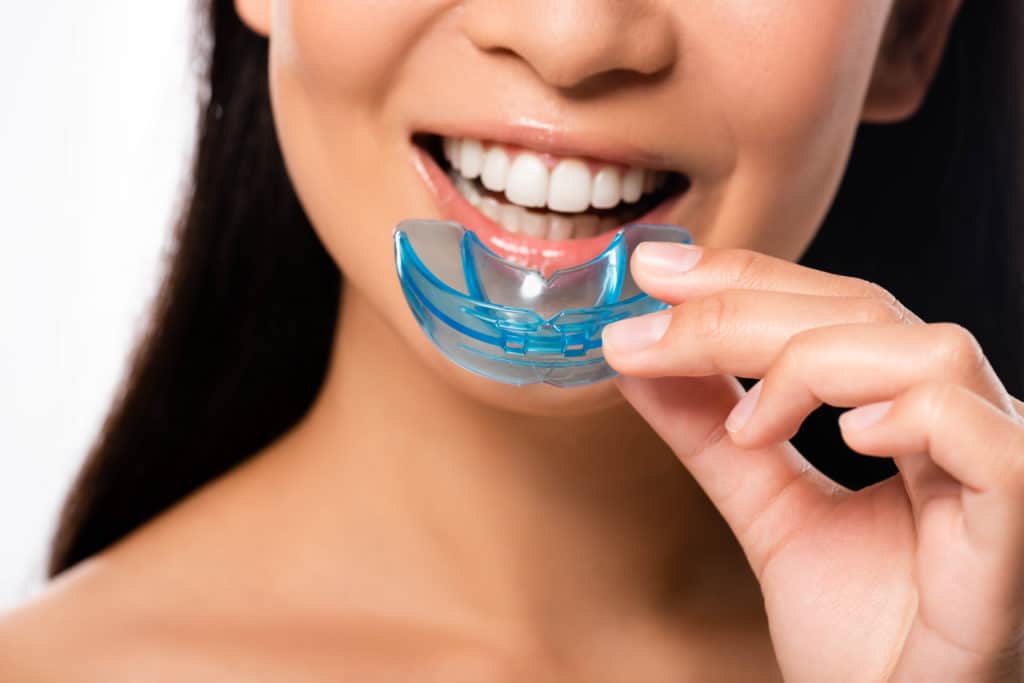
For most people, maintaining their oral health involves brushing, flossing, and biannual check-ups at the dentist’s office. However, for those who play sports or grind their teeth at night, there’s an additional tool necessary for maintaining a healthy, happy smile: custom mouth guards. Unlike premade, over-the-counter options, custom mouth guards provide a tailored fit, superior comfort, and enhanced protection.

Keep reading to learn more about the benefits of custom mouth guards, what makes them better than mass-produced options, and why they’re an essential investment in your oral health.

Protect Your Smile with a Custom Mouth Guard

What Are Custom Mouth Guards?

Custom mouth guards are special protective devices that cover the teeth and gums, preventing damage caused by teeth grinding or reducing the risk of injury during physical activities. Unlike the generic mouth guards you can buy at the drugstore, custom mouth guards use impressions of your teeth to create a solution tailored specifically to fit your unique smile. Their perfect fit ensures maximum protection and comfort.

There are two main types of custom mouth guards: sports mouth guards and night guards. As the name suggests, sports mouth guards are designed for athletes to wear during contact sports such as hockey, football, and boxing to protect against dental injuries. They can also be beneficial for non-contact sports where collisions or falls may occur, such as skateboarding or gymnastics.

Night guards, on the other hand, are designed to protect against bruxism, which is a condition in which individuals unconsciously grind or clench their teeth while sleeping. By providing a barrier between the upper and lower teeth, they help prevent wear and tear, reducing the risk of jaw pain, tooth fractures, and other issues.

A Peek into the Process

Getting a custom mouth guard is a straightforward process. At your appointment with the dentist, they’ll take an impression of your teeth — either digitally or with a mold — and send it off to a dental lab, where they’ll use it to create a personalized mouth guard. Once the guard is ready, you’ll return to the dentist’s office to ensure it fits comfortably and securely.

Advantages of Custom Mouth Guards

Custom mouth guards come with a plethora of benefits, including:

Superior Protection

Because generic mouth guards are not tailored to your specific dental structure, they may not offer adequate protection, especially during high-impact activities. An ill-fitting mouth guard can shift out of place as you move, leaving your teeth vulnerable to injury.

Custom mouth guards are perfectly molded to your teeth, providing a precise fit and superior protection. They stay in place, minimizing the risk of injury. Whether you’re throwing punches in the boxing ring or snoozing in your bed, custom-made mouth guards are your best defense against dental trauma.

Enhanced Comfort

Ready-made mouth guards are designed to fit a wide range of mouth sizes and shapes, rarely providing the snug, comfortable fit you need. Conversely, custom mouth guards are molded for your smile’s unique features, minimizing the need for awkward adjustments and providing a comfortable, unobtrusive fit. When your mouth guard fits comfortably, you’ll be more likely to wear it consistently, which is especially important for nighttime bruxism.

Improved Athletic Performance

The benefits of custom mouth guards extend to athletic performance, as well. A well-fitting guard allows for easier breathing, drinking, and communicating with teammates — crucial aspects of playing sports. Plus, it won’t distract you by slipping and sliding around your mouth, allowing you to focus purely on the game.

Durability and Longevity

Custom mouth guards are created using high-quality, durable materials that resist wear and tear, while store-bought options typically use subpar materials. Although the initial cost of custom mouth guards may be higher, its longevity means you won’t have to replace it as often, making it more cost-effective in the long run. 

Tailored to Your Needs

Everyone’s smile is different, which means that their mouth guards should be, as well. For example, if you have braces or other orthodontic devices, a custom mouth guard can be designed to accommodate the wires and brackets, minimizing the disruption to your orthodontic treatment. Similarly, if you’re experienced dental injuries in the past, your dentist can create a mouth guard with additional padding in specific areas.

Custom Mouth Guards at Eric Felt DDS

By investing in a custom mouth guard, you’re making an excellent choice for your oral health. Whether you grind your teeth at night or need extra protection during physical activities, these innovative devices can help safeguard your smile and ensure your optimal oral health. Schedule an appointment at the office of Eric Felt DDS today to get started!

Filed Under: Dentist

  • « Previous Page
  • 1
  • …
  • 5
  • 6
  • 7
  • 8
  • 9
  • …
  • 22
  • Next Page »
office image
white logo

Contact

TEL: 801-533-9879

6800 S. Highland Drive, Suite 100
Cottonwood Heights, UT 84121

Hours

Monday 7:00 AM - 5:00 PM
Tuesday 7:00 AM - 5:00 PM
Wednesday 7:00 AM - 5:00 PM
Thursday 7:00 AM - 5:00 PM
Friday 7:00 AM - 5:00 PM*
Saturday Closed
Sunday Closed
*Third Friday of every month. Call for more information.

2026Eric Felt, D.D.S | All Rights Reserved | Privacy Policy | Terms | XML Sitemap | Sitemap | Site by PDM

https://www.mykindofdentist.com/wp-content/uploads/2022/07/hero-full-video.mp4