Eric Felt

Eric Felt, D.D.S

801-533-9879
Directions
  • Services
    • Cosmetic Dentistry
      • Dental Veneers
      • Teeth Whitening
    • General & Family Dentistry
      • Dental Cleanings & Exams
      • First Dental Visit
      • Periodontal Maintenance
      • Root Canal Therapy
      • Sports Mouth Guards
      • Tooth Extractions
      • Toothache Treatment
    • Emergency Dental Care
    • Pediatric Dentistry
      • Fluoride Treatments
      • Pediatric Dental Crowns
      • Pediatric Dental Fillings
      • Pediatric Emergency Dental Care
    • Restorative Dentistry
      • Dental Bridges
      • Dental Crowns
      • Dental Fillings
      • Dentures
  • About
    • Meet the Doctor
    • Meet the Team
    • Office Tour
    • Reviews
    • Blog
  • Directions
  • Patient Info
    • Financial Options
    • Make a Payment
    • Patient Forms
    • Reviews
    • Dental Care Special Offers
  • Contact Us
  • 801-533-9879

Bleeding Gums: Should I Be Concerned?

Home | Dentist | Page 4

Request Appointment
bleeding gums

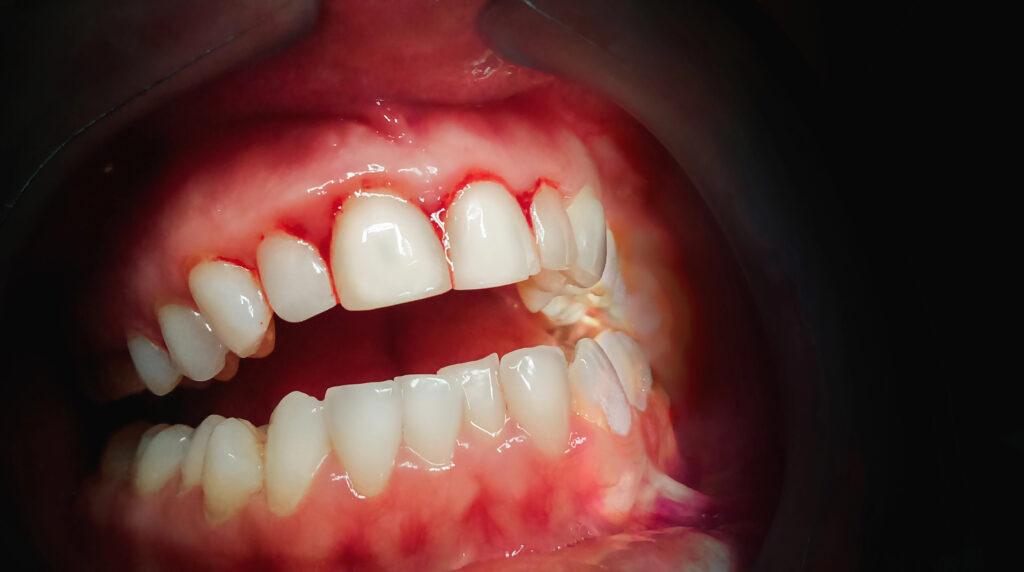
Picture this: You brush your teeth, swish some water around your mouth, and spit it out in the sink. To your surprise, you see streaks of blood in the sink. Maybe you even taste something metallic in your mouth. 

While occasional bleeding gums can be concerning, they’re not always serious. However, persistent bleeding could indicate an underlying issue. It’s essential to understand why your gums are bleeding in order to keep your smile happy and healthy. 

At the office of Dr. Eric Felt, we want you to take your gum health seriously and know when to seek professional dental care. That’s why we’re presenting this guide to bleeding gums, including common causes and prevention and treatment strategies. 

Common Causes of Bleeding Gums

Before you can implement effective treatments for bleeding gums, you must determine why they’re bleeding in the first place. There are many possible causes, including:

Poor Oral Hygiene or Gum Disease

Plaque buildup along the gumline can lead to inflammation and bleeding. Left unchecked, it can escalate into gingivitis, which is early stage gum disease. This further worsens bleeding, swelling, tenderness, and inflammation; however, with proper brushing and flossing, gingivitis is reversible. 

Untreated gingivitis, on the other hand, can progress into periodontitis, which is advanced gum disease. In addition to persistent bleeding, periodontitis can lead to bad breath, loose teeth, gum recession, infection, and even tooth loss. 

bleeding gums

Brushing or Flossing Too Hard

While thorough brushing and flossing are essential, it’s also important to avoid overdoing it. Overly aggressive brushing can damage gum tissue, causing your gums to bleed. Make sure you use a soft-bristled toothbrush and gentle flossing technique to avoid irritation and bleeding. 

Vitamin Deficiencies

Believe it or not, vitamin C deficiency can contribute to gum bleeding. Studies have shown that low vitamin C levels in the bloodstream are associated with a higher risk of bleeding when the gums are gently probed. Additionally, if you don’t have enough vitamin K, your blood cannot clot to stop the bleeding, delaying healing. 

Hormonal Changes

Hormonal changes can also cause bleeding gums, especially in women. Pregnancy, menopause, and menstruation can make gums more sensitive, increasing the risk of bleeding. This means it’s especially important to ensure proper dental care during hormonal fluctuations.

Medications

Certain medications can increase gum bleeding, including blood thinners and aspirin. It’s important to inform your dentist about all medications you take so they can help you determine whether they’re having an adverse effect on your oral health. 

Smoking and Tobacco Use

Smoking weakens the immune system and puts you at a greater risk for infections and gum disease. Quitting is not only good for your overall health — it’s also a great way to safeguard yourself against bleeding gums and protect your oral health. 

Underlying Health Conditions

Certain underlying health conditions can cause gum bleeding, including diabetes, leukemia, and other systemic diseases. If you have one of these conditions and are struggling with bleeding gums, it’s important to talk to your doctor and dentist for evaluation.

When to See a Dentist

Everyone’s gums bleed on occasion. Maybe you flossed too hard, or you got something trapped between your teeth that’s causing inflammation. As long as you’re taking good care of your oral health and you don’t have any other symptoms, it’s probably not something to be worried about.

If your gums are persistently bleeding or you have signs of gum disease, it’s time to talk to your dentist. They can diagnose the problem, identify its underlying cause, and provide targeted treatments. 
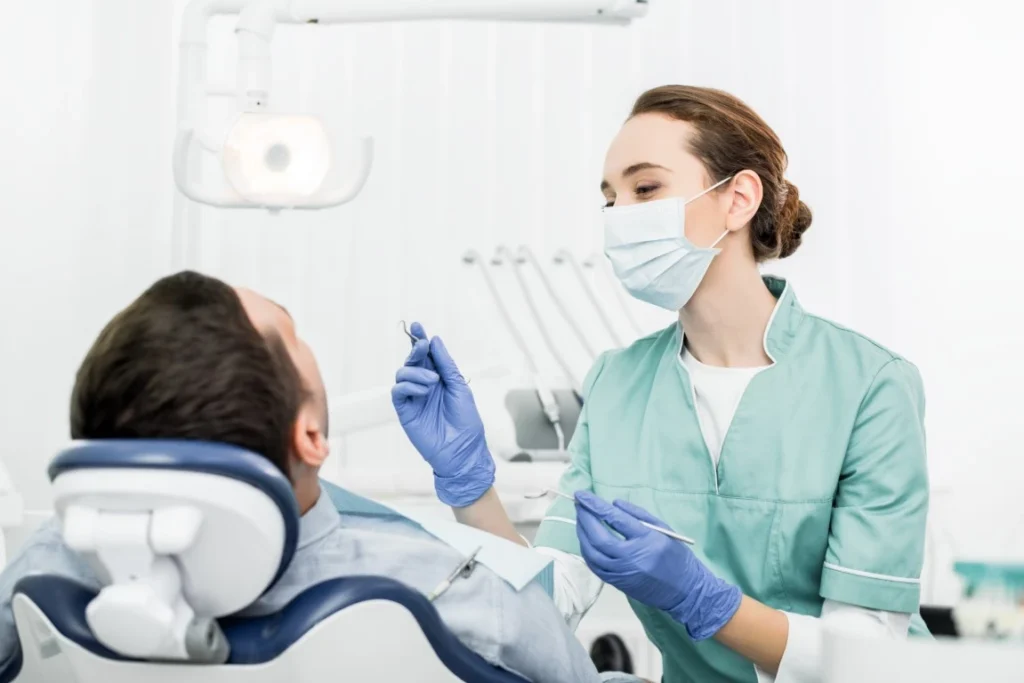
bleeding gums

Prevention and Treatment

The good news is that bleeding gums can be treated. With the right care, you can prevent this issue, ensuring your gums remain healthy.

Prevention and treatment strategies include:

  • Maintain good oral hygiene: Brush twice a day with fluoride toothpaste, floss daily, and use an antimicrobial mouthwash. 
  • Adopt a healthy diet: Eat plenty of foods rich in vitamins C and K, along with calcium and antioxidants. Limit your intake of sugary and acidic foods. 
  • Use the right dental tools: Use a soft-bristled toothbrush and proper flossing technique to ensure you don’t irritate your gums.
  • Stay hydrated: Make sure you drink plenty of water throughout the day.
  • Quit smoking: Quitting can improve both your gum health and your overall health. 
  • Regular dental visits: Professional cleanings at your dentist’s office remove plaque and tartar buildup and allow for the early detection and treatment of gum disease. 

Visit Eric Felt DDS to Protect Your Gum Health

If you’re struggling with bleeding gums, don’t wait to take action. Schedule an appointment at the office of Eric Felt DDS to improve and maintain your gum health, setting the foundation for bright, healthy smiles. 

Filed Under: Dentist

professional teeth whitening tooth sensitivity

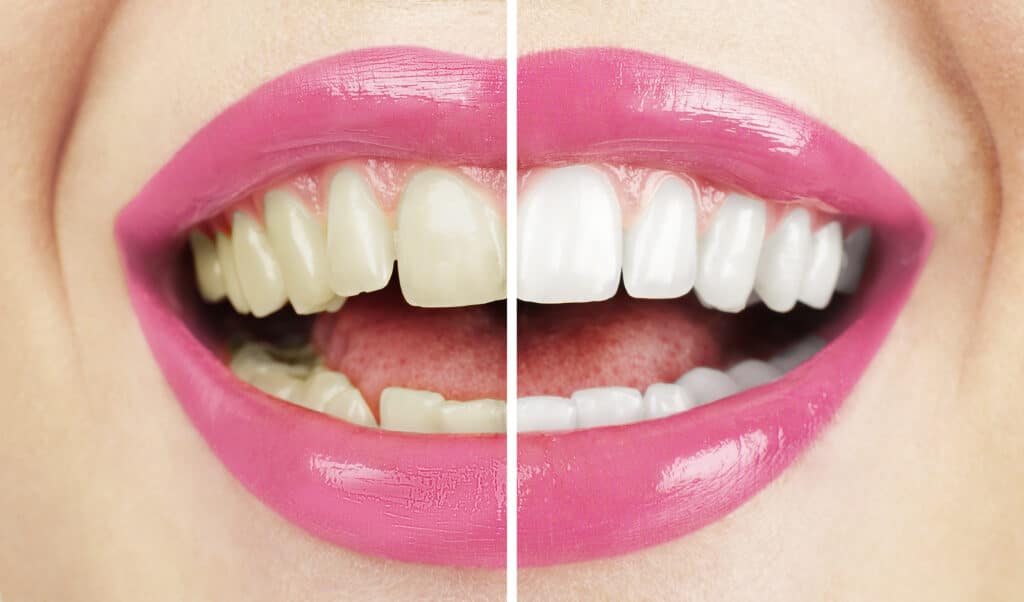
Everyone wants to have whiter teeth. But for those who have more sensitive teeth, trying to do DIY teeth whitening might have left you discouraged and sore. But you are not doomed to have both sensitive and discolored teeth. You may get better results from professional teeth whitening.

We will go through the reasons why tooth discoloration happens, where tooth sensitivity comes from, and the differences between at-home and professional teeth whitening.

How Does Tooth Discoloration Happen?

People may seek teeth whitening if their teeth are discolored, which can be from the outer layers of your teeth: the enamel and the dentin. The enamel is the thicker, protective, and usually white layer. Right below is the dentin, which tends to be more of a yellow or brown shade. When the enamel is worn down or thinner, the dentin shows through. Other times, the enamel can be stained.

Tooth discoloration can happen for a variety of reasons, both lifestyle and natural. These are some of the most common causes of yellow teeth:

fluoride facts
  • Diet
    Some foods and drinks can lead your teeth to become more stained. Drinks like red wine, soda, coffee, and tea, when drunk regularly, can cause your teeth to become more yellow. Many starchy and sugary foods attract bacteria, leading to plaque formation and therefore yellower teeth.
  • Genetics
    Some people are born with a naturally thinner enamel or a more yellow enamel. This doesn’t necessarily mean that they aren’t taking good care of their teeth, but their teeth may appear more naturally tinted.
  • Poor Oral Hygiene
    If you don’t brush your teeth, floss, or have checkups regularly, there can be a lot of plaque and tartar buildup on the surface of your teeth that isn’t being reached. This can lead to a yellow or stained appearance.
  • Lifestyle
    Some products, especially smoking or chewing tobacco, can cause staining and yellowed teeth.

Though staying on top of proper oral care and a healthy diet and lifestyle are recommended ways to prevent tooth discoloration, you may need the assistance of at-home or professional teeth whitening to reverse some of the process.

Why Are My Teeth Sensitive?

Tooth sensitivity is when certain sensations or stimuli cause pain to your teeth. It can come from hot, cold, acidic, or sweet foods and drinks. It can have many causes – discussed more in depth in a prior blog post – including some of the following, which are the most common:

toothache Cottonwood Heights UT
  • Enamel Erosion
  • Gum Recession
  • Tooth Decay & Damage
  • Bruxism
  • Dental Procedures

If you have been experiencing tooth sensitivity, make sure you regularly maintain your oral hygiene and tell your dentist. Read our blog post on tooth sensitivity for more specific information.

At-Home Teeth Whitening

If you have wanted whiter teeth, you may have tried your hand at it before scheduling a professional teeth whitening session. There are a number of popular DIY remedies that you may have tried, including whitening strips or scrubbing a homemade paste on your teeth.

Though these creative options might have gotten good reviews, there are a few reasons why at-home teeth whitening may not be as effective as professional teeth whitening, especially if you have tooth sensitivity.

  1. Worse Tooth Sensitivity
    Many teeth whitening products and kits contain peroxide as a way to “naturally” bleach your teeth. However, peroxide is a chemical that can penetrate the enamel and make your tooth sensitivity worse.
  2. Gum Irritation
    When DIY treatments or whitening solutions come in contact with your gums, they may irritate your gums, leading to redness, swollen gums, and discomfort, especially if your gums are already sensitive.
  3. Weakened Enamel
    Because of ingredients like peroxide, at home treatments may be doing more harm than good. They can erode the enamel, causing long-term damage, pain, and cavities.
  4. Uneven Whitening
    DIY teeth whitening can sometimes lead to splotchy, uneven whitening. This can be from kits not applying the whitening agent evenly or treatments being unable to stain crowns and fillings.
  5. Ineffective & Temporary
    At-home whitening solutions can often be temporary, needing regular treatments and still losing effectiveness easily.

Leave It to the Professionals

Receding gums in Cottonwood Heights, UT

Though it may be tempting to “do it yourself” to get whiter teeth, dentists will be able to provide you with gentler and more effective treatments. In addition to having more technologically advanced methods, they also have the professional experience to know how to address your individual needs. Some pain-free benefits to getting professional teeth whitening include:

  • Lower strength or custom whitening gels
  • Desensitizing & numbing agents
  • Custom-fit whitening trays
  • Laser or LED whitening
  • Spaced out treatments
  • Pre- and post-treatment relief

At Eric Felt DDS, we offer the tools, supplies, and expertise to give you the best results possible, leaving you with a brighter and pain-free smile. Contact us today to schedule your professional teeth whitening appointment.

Filed Under: Cosmetic Dentistry, Dentist

Fluoride plays an important role in dental health, including enamel strengthening and cavity prevention. Home fluoride treatments, such as toothpaste and mouthwash, are popular ways to get this essential mineral. Some municipalities even put fluoride in the water to boost public health. However, are these methods truly enough to prevent cavities, or are professional treatments necessary?

At the office of Eric Felt D.D.S., we want our patients to be able to make informed decisions about their oral health, which includes how and when they receive fluoride. If you’re seeking information about cavity prevention, keep reading to explore whether your at-home fluoride intake is enough to keep your smile healthy and happy.

Understanding Fluoride and Its Role in Oral Health

Fluoride Treatments for Cavity Prevention

The outermost layer of your teeth is known as the enamel. Over time, the enamel can weaken and erode as the result of bacteria in the mouth that produce acids. Certain acidic foods can also impact the enamel. 

That’s where fluoride comes in. This mineral helps remineralize teeth, restoring the enamel’s strength and durability and contributing to cavity prevention. 

You can get the fluoride you need by ingesting it or applying it directly to your teeth. Topical fluoride is an ingredient in most toothpastes, mouthwashes, and professional foam and gel treatments. 

Systemic fluoride comes from the food you eat and the water you drink. Even if your city doesn’t add fluoride to the water supply, small amounts are still found in many of the things you ingest. Some dentists even recommend fluoride drops for young children to aid in cavity prevention.

Types of Home Fluoride Treatments

If cavity prevention is your goal, it’s important to ensure you’re getting enough fluoride at home. Here are some ways to boost your cavity prevention efforts:

  • Fluoride toothpaste: Toothpaste is the most common source of fluoride. Experts recommend brushing with fluoride toothpaste at least twice a day to prevent cavities and keep your smile clean.
  • Fluoride mouth rinses: You can also get topical fluoride by using mouthwash. If you’re great about brushing and flossing thoroughly, you may not need mouthwash, but it’s a great way to supplement your oral hygiene routine.
  • Fluoride gels and foams: There are at-home fluoride gels and foams out there for those at high risk of developing cavities. While they’re less concentrated than professional treatments, they’re still effective for cavity prevention.
  • Fluoridated water: Depending on where you live, the tap water may contain fluoride, which means you’re helping prevent cavities every time you take a sip.
Fluoride Treatments for Cavity Prevention

Fluoride for Young Children

Cavity prevention is different for young children. Most children’s toothpastes don’t have very much fluoride in them because they’re more likely to swallow the toothpaste. Because of this, young children must get their fluoride in different ways. Your child’s dentist may recommend fluoride supplements to ensure their teeth develop correctly.

The Effectiveness of Home Fluoride Treatments

At-home fluoride treatments are definitely effective. However, they’re not enough on their own to prevent cavities. You must also diligently take care of your oral health, limit your sugar intake, and visit your dentist for cleanings and exams at least every six months. 

Some people are more prone to tooth decay than others. Factors like age, pregnancy, and certain health conditions like diabetes can make you more likely to get cavities. It’s especially important for these individuals to do everything they can to take care of their teeth, which is where professional fluoride treatments come in.

Professional fluoride treatments typically involve a foam, varnish, or gel applied directly to the teeth by your dentist. Because the fluoride concentration is higher, it’s more effective for cavity prevention. While it’s a good idea for almost everyone to receive these treatments, it’s especially vital for those who are at a higher risk for tooth decay.

Fluoride Treatments for Cavity Prevention

Professional Fluoride Treatments for Cavity Prevention

At Eric Felt D.D.S., we understand the importance of cavity prevention. That’s why we’re proud to offer professional fluoride treatments to our patients. With the combination of in-office treatments and at-home dental care, you’ll be on your way to healthy, and cavity-free smiles. 

For personalized advice on cavity prevention, fluoride intake, and oral hygiene, don’t hesitate to contact us to set up an appointment. We’re here to help you achieve the bright, happy smile you’ve always dreamed of.

Filed Under: Dentist

  • « Previous Page
  • 1
  • 2
  • 3
  • 4
  • 5
  • 6
  • …
  • 22
  • Next Page »
office image
white logo

Contact

TEL: 801-533-9879

6800 S. Highland Drive, Suite 100
Cottonwood Heights, UT 84121

Hours

Monday 7:00 AM - 5:00 PM
Tuesday 7:00 AM - 5:00 PM
Wednesday 7:00 AM - 5:00 PM
Thursday 7:00 AM - 5:00 PM
Friday 7:00 AM - 5:00 PM*
Saturday Closed
Sunday Closed
*Third Friday of every month. Call for more information.

2026Eric Felt, D.D.S | All Rights Reserved | Privacy Policy | Terms | XML Sitemap | Sitemap | Site by PDM

https://ericfeltdds.wpengine.com/wp-content/uploads/2022/07/hero-full-video.mp4