Eric Felt

Eric Felt, D.D.S

801-533-9879
Directions
  • Services
    • Cosmetic Dentistry
      • Dental Veneers
      • Teeth Whitening
    • General & Family Dentistry
      • Dental Cleanings & Exams
      • First Dental Visit
      • Periodontal Maintenance
      • Root Canal Therapy
      • Sports Mouth Guards
      • Tooth Extractions
      • Toothache Treatment
    • Emergency Dental Care
    • Pediatric Dentistry
      • Fluoride Treatments
      • Pediatric Dental Crowns
      • Pediatric Dental Fillings
      • Pediatric Emergency Dental Care
    • Restorative Dentistry
      • Dental Bridges
      • Dental Crowns
      • Dental Fillings
      • Dentures
  • About
    • Meet the Doctor
    • Meet the Team
    • Office Tour
    • Reviews
    • Blog
  • Directions
  • Patient Info
    • Financial Options
    • Make a Payment
    • Patient Forms
    • Reviews
    • Dental Care Special Offers
  • Contact Us
  • 801-533-9879

Can Xylitol Be Used to Fight Cavities?

Home | Dentist | Page 3

Request Appointment

Everyone knows that sugar contributes to cavities. When you eat a sweet treat, bacteria feast on the sugar in your mouth, creating acid that erodes the enamel. But what if there was a sweetener that actually helps prevent cavities instead of causing them?

That’s where xylitol comes in. As a natural sugar alcohol found in many types of plants, including fruits, vegetables, and even birch trees, it’s often used as a sweetener in mints, mouthwash, gum, toothpaste, and foods. In fact, this substance is becoming increasingly popular in dental care products. 

Keep reading to learn more about xylitol, how it can benefit your oral health, and whether it can replace brushing and flossing. 

What Is Xylitol?

xylitol

Xylitol is classified as a sugar alcohol. First discovered by German chemists in the late 19th century in the bark of birch trees, we now know it can be found in many different fruits and vegetables. Corn is an especially significant source, but no matter where it comes from, it’s molecularly the same.

The main use of xylitol is as a replacement for sucrose, or table sugar. If you look at the ingredients in “sugar-free” mints, candies, and chewing gums, you’ll likely find it listed. It’s just as sweet as your table sugar, but has a lesser effect on blood sugar and contains 40 percent fewer calories. 

While the name xylitol can sound scary, it’s been recognized as safe for human consumption by the FDA. However, it’s toxic to dogs, so keep it out of reach of your pets. 

xylitol

How Xylitol Benefits Oral Health

The thing that sets xylitol apart from other sweeteners is its ability to improve oral health. While another sweetener, sorbitol, also has cavity-fighting properties, xylitol continues to protect your teeth hours after you’ve used it. 

Let’s take a closer look at how this substance works to fight bacteria, promote saliva production, and help maintain your mouth’s pH balance. 

Reducing Cavity-Causing Bacteria

Streptococcus mutans is a type of bacteria that’s largely responsible for the formation of cavities. As it feeds on the sugar you eat, it ferments and produces acid, which can compromise tooth enamel. However, this bacteria can’t ferment xylitol, which means that they essentially starve to death. In fact, studies have shown that xylitol can decrease acid-causing bacteria by up to 90 percent. 

Promoting Saliva Production

Saliva plays an important role in oral health. It neutralizes acids, remineralizes enamel, washes away food particles, and fights bacteria. Xylitol stimulates saliva flow, helping to prevent dry mouth and tooth decay. 

Maintaining pH Balance

As we mentioned before, acid is what causes cavities. When your oral pH is compromised, you’re at a greater risk for enamel erosion. Xylitol helps maintain a neutral oral environment, protecting you from tooth decay. 

Preventing Ear Infections in Children

There’s evidence suggesting that xylitol can help prevent ear infections, as well. By reducing oral bacteria, there’s less chance of that bacteria making its way into the Eustachian tube, which connects the back of the throat to the middle ear. 

Can Xylitol Replace Brushing and Flossing?

xylitol

Despite xylitol’s oral health benefits, it’s no replacement for brushing and flossing. While it’s a great supplement to a strong oral hygiene routine, you must still brush your teeth twice daily, floss every day, and attend regular checkups at your dentist’s office. 

If you’re looking for ways to incorporate this bacteria-fighting sweetener into your daily routines, keep in mind that the optimal amount is five to 10 grams per day, spread across multiple uses. You can achieve this dosage by taking advantage of xylitol candies, lozenges, chewing gum, mints, and even toothpaste and mouthwash — especially after meals. 

However, there are potential digestive side effects that may come with high doses, such as bloating and gas. It’s important to pay attention to how this substance affects your body and discontinue use if it causes harm. 

Fight Cavities with Eric Felt DDS

At the office of Eric Felt DDS, we’re dedicated to helping you fight cavities and ensuring your smile remains happy and healthy for a lifetime. Whether you need help developing a personalized oral hygiene plan, advice on how to reduce bacteria, or it’s time for your next cleaning, our team of dental professionals is here for you. Contact us today to schedule your appointment. 
Filed Under: Dentist

Saliva is an essential, yet often overlooked, component of oral health. From digestion to keeping your mouth clean to protecting your teeth from decay, it does more than you may have realized. Without it, you’re at risk of bad breath, cavities, and difficulty swallowing. 

At the office of Eric Felt DDS, we want our patients to understand every factor that influences their oral health, helping them protect their smiles and achieve their goals. That’s why we’re presenting this guide to saliva, its role in oral health, and the impacts of dry mouth.

saliva

Understanding the Basics

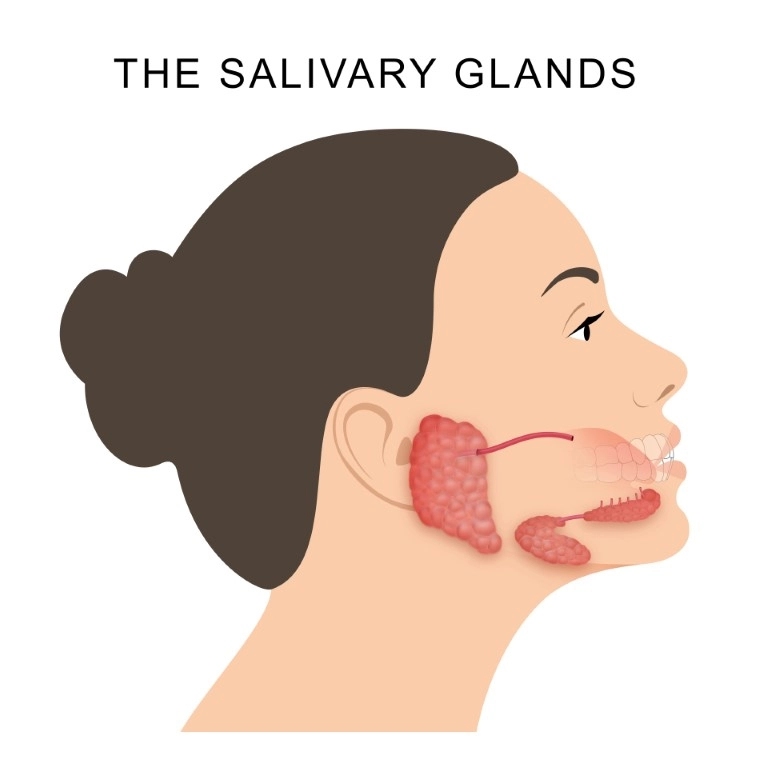
Saliva is made of water, enzymes, proteins, minerals, and antibacterial agents. It is produced in the salivary glands, which are located under the tongue, in front of the ears, and under the lower jaw. Most adults produce between 0.5 and 1.5 liters each day.

The automatic nervous system controls automatic body functions that are necessary for survival, including salivation. Additionally, certain foods — especially sour ones — can increase saliva production, diluting the acid to help prevent enamel erosion. 

Essential Functions of Saliva in Oral Health

Let’s take a look at saliva’s essential functions in oral health:

Moistening and Lubrication

Saliva keeps the mouth comfortable and aids in speaking and swallowing. It prevents dry mouth, which can be uncomfortable and increase your risk of certain oral health issues. 

saliva

Food Breakdown and Digestion

We typically think of the digestive system as the stomach and intestines. However, digestion actually starts at the mouth. Saliva contains enzymes like amylase that begin breaking down food as soon as you start chewing. Additionally, it helps in the formation of a food bolus — a semi-solid mass of food — for easier swallowing. 

Washing Away Food Debris and Bacteria

Once you’ve chewed and swallowed, saliva continues playing a vital role. It helps clear away leftover food particles and bacteria that could lead to plaque formation. By reducing bacterial growth, it helps you have fresher breath and reduces your risk of gum disease and cavities. 

Tooth Protection and Remineralization

Another of saliva’s important jobs is to neutralize acids produced by bacteria in the mouth, reducing the risk of cavities. Plus, it contains minerals like calcium and phosphate that help remineralize the enamel, further protecting teeth from decay and helping them remain strong. 

Immune Defense and Antimicrobial Properties

Finally, saliva’s proteins and enzymes fight harmful bacteria and infections. It plays an essential role in wound healing and contributes to a balanced oral microbiome. 

The Impact of Dry Mouth

When you don’t produce enough saliva, it’s known as xerostomia — commonly referred to as dry mouth. While everyone’s mouth is dry on occasion, chronic dry mouth can occur as the result of certain medications, aging, mouth breathing, and some medical conditions. 

Symptoms of dry mouth include difficulty swallowing, bad breath, and increased cavities. When there’s not enough saliva to keep your mouth moist, wash away food particles, neutralize acids, fight bacteria, and protect your teeth from erosion, there can be long-term effects on your oral and overall health. 

saliva

How to Manage Dry Mouth

If you struggle with dry mouth, there are things you can do to find relief and improve your overall oral health, including:

  • Drinking plenty of water throughout the day to ensure you’re properly hydrated. 
  • Chewing sugar-free gum or eating crunchy, fibrous foods to stimulate saliva production.
  • Avoiding tobacco, alcohol, and excessive caffeine, which can dry out your mouth. 
  • Using mouthwash, spray, or prescription treatments for chronic dry mouth. 
  • Asking your doctor about changing up the medications you take.

As you try to manage your dry mouth, it’s important to work closely with your dentist. They can assess your oral health and make personalized recommendations based on your unique needs. Additionally, attending regular dental checkups gives your dentist the opportunity to monitor the potential effects of dry mouth, including enamel erosion, plaque buildup, tooth decay, and gum disease

Comprehensive Oral Care by Eric Felt DDS

At the office of Eric Felt DDS, we’re committed to providing comprehensive dental care. Whether it’s helping you overcome dry mouth, build proper oral hygiene habits, or banish stubborn plaque buildup, we’re here to help. Our team of highly trained dental professionals is passionate about protecting your oral health with compassion and care. 

Contact us today to schedule your appointment and take the first step toward achieving a happier, healthier smile. 

Filed Under: Dentist

veneer technician

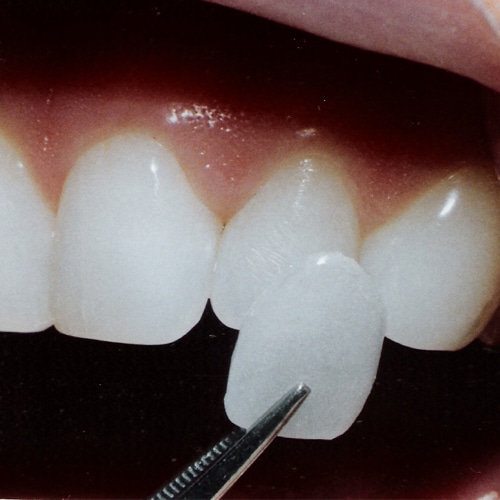
Veneers are a popular cosmetic dentistry solution that involves bonding thin shells to the front surfaces of the teeth, giving them a brighter, whiter, and more uniform appearance. In an attempt to save money, many people seek veneers from people advertising themselves as veneer technicians instead of licensed dentists; however, this can have serious consequences. 

At the office of Eric Felt DDS, we’re dedicated to providing quality cosmetic dentistry solutions — including veneers — to our patients, ensuring their smiles stay bright and healthy for a lifetime. If you’re considering veneers, keep reading to learn why choosing a qualified cosmetic dentist is essential for safe, effective, and long-lasting results. 

What Is a Veneer Technician?

When you hear the phrase “veneer technician,” you may imagine a dental professional who specializes in veneers. However, the truth is that veneer technicians are regular people with no dental training who have completed a short course — usually only two days — and paid a couple thousand dollars to receive a certificate claiming they’re qualified to place veneers. 

However, this training is bogus, and so-called veneer technicians are not legally allowed to perform any dentistry procedures. In fact, they can be charged with practicing medicine without a license — a felony in most U.S. states — and their victims can even sue them for assault and battery if anything goes wrong. 

The Risks of Getting Veneers from a Veneer Technician

As you can imagine, there are many risks that come with receiving services from an unqualified veneer technician. Let’s take a look at some of the reasons to steer clear of them. 

Lack of Proper Training and Qualifications

Veneer technicians do not have the necessary training, qualifications, or legal authority to perform dental procedures. Cosmetic dentists, on the other hand, undergo years of dental school and complete special training in restorative and cosmetic procedures, ensuring they can provide safe and effective care. 

No Comprehensive Oral Health Evaluation

Before placing veneers, dentists evaluate the teeth and gums, go over the patient’s health history, and determine whether they’re a good candidate for the procedure. Veneer technicians do no such thing — they only care about making a quick buck, so they’ll place veneers on patients with issues like gum disease, decay, and bite misalignment, setting the stage for long-term complications. 

Improper Tooth Preparation

Veneer placement requires the careful removal of the top layer of enamel. Too much or too little can cause significant problems down the line. Veneer technicians may over-file the teeth, leading to pain, sensitivity, and long-term damage. 

Low-Quality Materials

Not just anyone can get the supplies required for veneers. You have to be a licensed dental provider to be able to purchase the high-quality porcelain or composite materials needed. Since veneer technicians do not have access to industry suppliers, many of them turn to nail art supplies and cheap kits ordered online. The result is veneers that can easily stain, break, or detach. 

Lack of Customization and Aesthetic Expertise

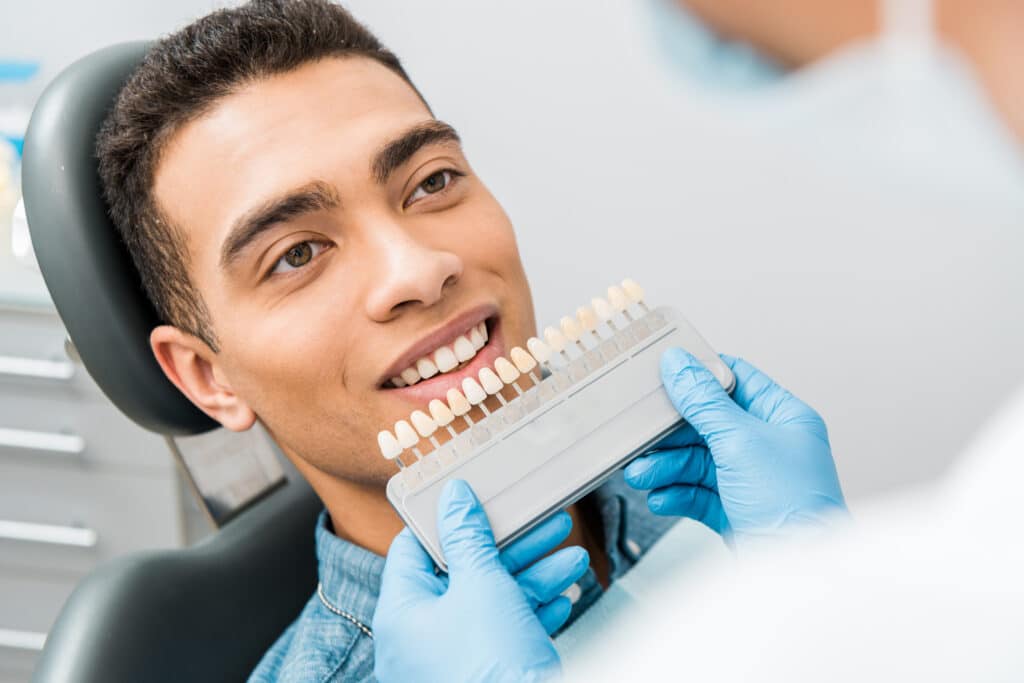
When it comes to veneers, there’s no one-size-fits-all solution. Cosmetic dentists customize veneers to match each patient’s unique facial structure, tooth shape, and natural tooth color to create a seamless look. Veneer technicians don’t have this expertise, which means the result often looks unnatural or oversized. 

veneer technician

The Benefits of Choosing a Licensed Cosmetic Dentist for Veneers

Now that you know what makes veneer technicians so dangerous, let’s explore the benefits of choosing a qualified cosmetic dentist for veneers:

  • Comprehensive consultation and treatment plan: Your dentist will thoroughly assess your oral health, discuss your aesthetic goals, and recommend the best options for your needs. 
  • Expertise in preparation and application: Precise enamel removal and proper bonding techniques ensure longevity and comfort. 
  • High-quality materials for long-lasting results: Professional-grade materials offer lasting durability and a natural appearance. 
  • Customization for a natural, flattering look: Skilled cosmetic dentists design custom veneers for a natural-looking smile. 
  • Safe and hygienic procedures: Sterile tools and proper safety precautions minimize the risk of infection. 
  • Follow-up care and adjustments: Dentists provide post-procedure care and will make necessary adjustments to ensure your complete satisfaction. 

Quality Cosmetic Dentistry by Eric Felt DDS

veneer technician

When you trust Eric Felt DDS for all your cosmetic dentistry needs, you can rest assured that you’ll get the quality care you deserve. Unlike a veneer technician, Dr. Felt has extensive training in veneer placement and has helped countless patients achieve the beautiful smiles they’ve always dreamed of. 

If you’re seeking a way to improve your smile’s aesthetics, contact us today to schedule an appointment. 

Filed Under: Dentist

  • « Previous Page
  • 1
  • 2
  • 3
  • 4
  • 5
  • …
  • 22
  • Next Page »
office image
white logo

Contact

TEL: 801-533-9879

6800 S. Highland Drive, Suite 100
Cottonwood Heights, UT 84121

Hours

Monday 7:00 AM - 5:00 PM
Tuesday 7:00 AM - 5:00 PM
Wednesday 7:00 AM - 5:00 PM
Thursday 7:00 AM - 5:00 PM
Friday 7:00 AM - 5:00 PM*
Saturday Closed
Sunday Closed
*Third Friday of every month. Call for more information.

2026Eric Felt, D.D.S | All Rights Reserved | Privacy Policy | Terms | XML Sitemap | Sitemap | Site by PDM

https://ericfeltdds.wpengine.com/wp-content/uploads/2022/07/hero-full-video.mp4