
Eric Felt

Eric Felt, D.D.S

801-533-9879
Directions
  • Services
    • Cosmetic Dentistry
      • Dental Veneers
      • Teeth Whitening
    • General & Family Dentistry
      • Dental Cleanings & Exams
      • First Dental Visit
      • Periodontal Maintenance
      • Root Canal Therapy
      • Sports Mouth Guards
      • Tooth Extractions
      • Toothache Treatment
    • Emergency Dental Care
    • Pediatric Dentistry
      • Fluoride Treatments
      • Pediatric Dental Crowns
      • Pediatric Dental Fillings
      • Pediatric Emergency Dental Care
    • Restorative Dentistry
      • Dental Bridges
      • Dental Crowns
      • Dental Fillings
      • Dentures
  • About
    • Meet the Doctor
    • Meet the Team
    • Office Tour
    • Reviews
    • Blog
  • Directions
  • Patient Info
    • Financial Options
    • Make a Payment
    • Patient Forms
    • Reviews
    • Dental Care Special Offers
  • Contact Us
  • 801-533-9879

Pediatric Dental Crowns: 6 Things You Should Know

Home | Pediatric Dentistry

Request Appointment
Pediatric Dental Crowns: 6 Things You Should Know

If your child’s dentist told you that they need a dental crown, you may have some questions. Why are they getting a crown instead of a filling? Will they experience any pain during or after the procedure? How can I help them care for their dental crown? This blog will cover everything you need to know about pediatric dental crowns in order to help ease any anxiety about the process for both you and your child.

#1. Why Your Child May Need A Dental Crown

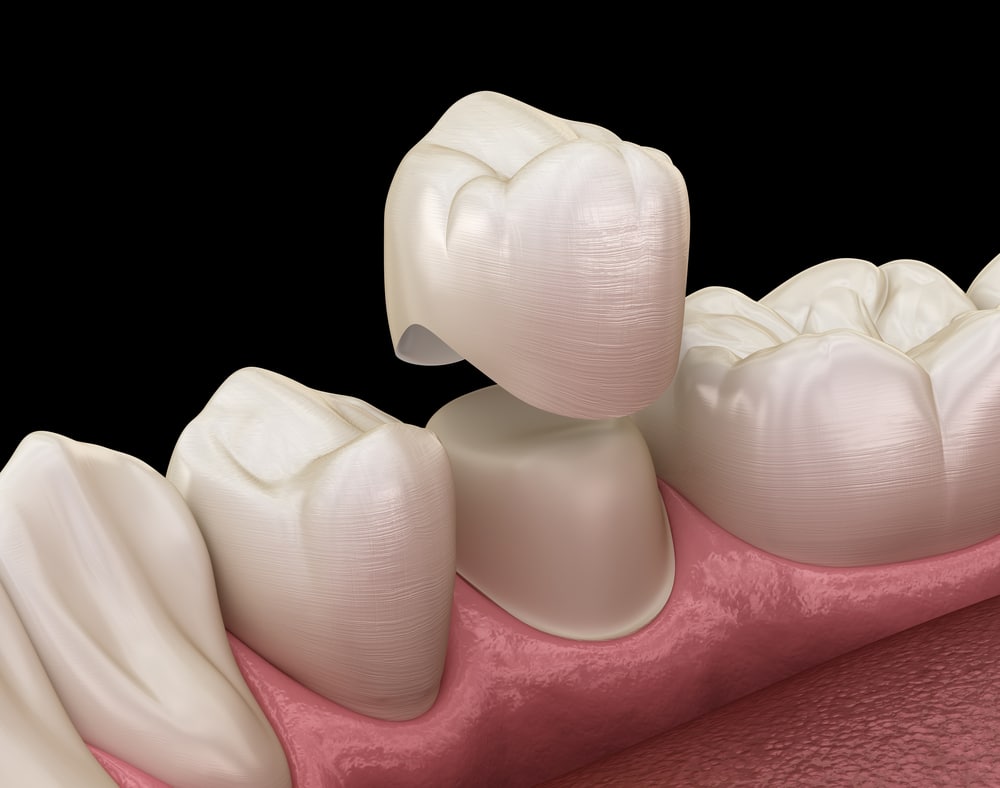
Dental crowns are used to correct teeth that are damaged or weak. Crowns are more versatile than dental fillings because they cover the whole tooth, not just a small part. Your child may need a crown if their tooth is cracked, worn down, or broken to the point where a filling would not be sufficient. They’re also used to protect a tooth after a pulpotomy, which is a root canal for baby teeth.

#2. How to Prevent the Need For Dental Crowns

To prevent the chances your child will need a crown, you need to make sure they take good care of their teeth. Prevent tooth decay with good oral hygiene, including regular cleanings and exams from the dentist. Protect your child’s teeth from trauma by having them wear a mouthguard when playing sports.

#3. What Dental Crowns Are Made Of

Dental crowns can be made of a variety of different materials, such as resin, porcelain, and metal. There are many different types of crowns, and your child’s dentist will determine what material would be best for your child by taking into consideration their individual oral health needs.

#4. Types of Dental Crowns

  • Metal crowns: These crowns, made from gold, chromium, palladium, or nickel, are the most durable type of dental crown. They require less enamel removal than other types. Despite their benefits, many people don’t like metal crowns because of the metallic color, so they’re best for out-of-sight back molars or baby teeth that will fall out within a few years. These are common for pediatric dental patients.
  • Mixed-material crowns: Dentists can create crowns made of more than one material, including porcelain fused to metal or ceramic.
  • All-ceramic or porcelain crowns: If your child is allergic to certain types of metal, these crowns may be a good solution for them.
  • All-resin crowns: These are less expensive than other types of crowns, but are more likely to break. They are usually used temporarily since they only last a few years.

#5. The Dental Crown Procedure

Pediatric Dental Crowns: 6 Things You Should Know

Most pediatric crowns can be placed in one visit. During the procedure, your child’s dentist will prepare their tooth by shaving down some of the natural enamel to make space for the crown. They may also build up parts of the tooth with a filling material. 

Next, your child’s dentist will check the fit and shape of the crown, then place it on the tooth. The crown is bonded to the tooth with strong dental cement.

Because the dentist uses numbing jelly and an aesthetic injection, your child shouldn’t feel any pain during the procedure. However, after the feeling in their mouth returns, they may experience some soreness or tenderness for the next few days. This is completely normal, and you can give them pediatric pain medication like acetaminophen and ibuprofen to ease any discomfort.

#6. How to Decrease Anxiety

Your child may feel anxiety or apprehension about the procedure. Luckily, there are ways to help them feel more comfortable. 

Before their appointment, explain to them what will happen during the procedure. Help them understand that they will be numb, so they shouldn’t feel anything. Invite your child to ask their dentist any questions they may have about the process. 

Some dentists offer sedation during the procedure to help your child feel calm. You can choose to have them use nitrous oxide, or laughing gas, which will help your child relax as they inhale it. 

#7. How To Care for Dental Crowns
Pediatric Dental Crowns: 6 Things You Should Know

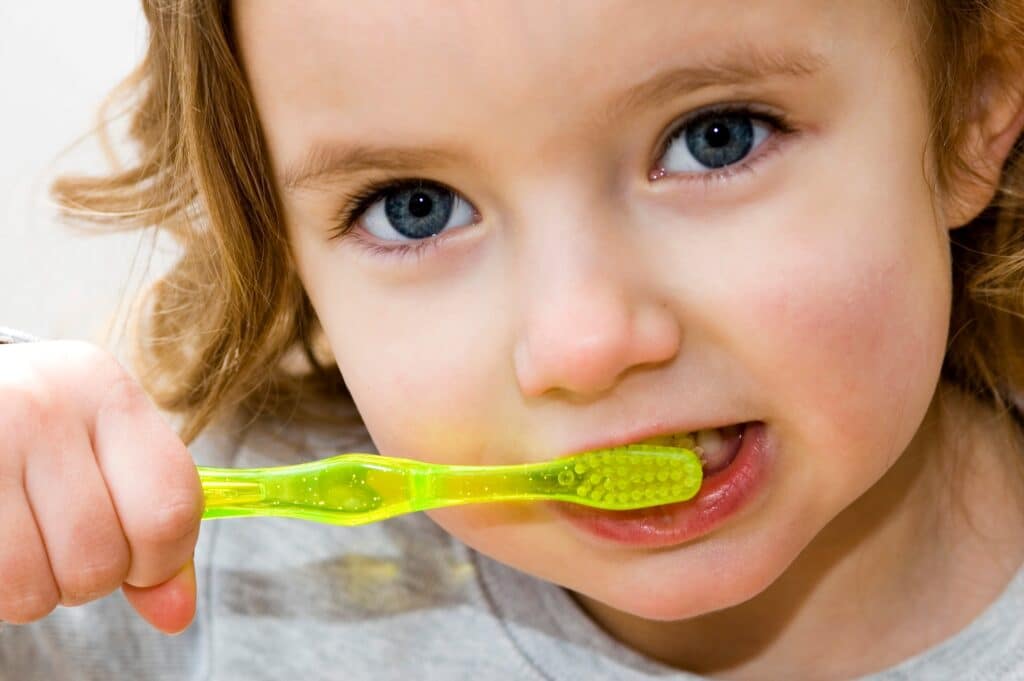
Dental crowns require much of the same care as natural teeth. Help your child remember to brush and floss regularly, taking extra care to thoroughly clean the gums around the bottom edge of the crown. You should also remind them to avoid very hard or sticky foods, since these can damage dental crowns. 

With a little care and precaution, your child’s crown will last as long as it needs to.

Dental Crowns by Eric Felt DDS

Whatever your child’s dental needs are, we can help! In addition to dental crowns, we offer a number of pediatric dental services, including fluoride treatments, fillings, and professional cleanings. Schedule an appointment for your child today!


Filed Under: Pediatric Dentistry Tagged With: dental crown

3 Oral Health Conditions Affecting Children

If you’re a new parent, you may be overwhelmed with everything your child needs. Good oral health starts at birth, so it’s important to start helping your child develop good dental hygiene as early as possible. 

There are a number of oral health conditions affecting children, and if you want to avoid problems later on in your child’s life, it can help to know how and why these issues occur so you can prevent them.

Tooth Decay

Preventing tooth decay can start even before your child gets their first teeth. Sugar intake can affect the oral health of even the youngest children, but luckily, there are ways to treat and prevent tooth decay. 

The Effect of Sugar

Believe it or not, baby bottles and sippy cups can cause tooth decay. When your child falls asleep while sucking on some milk or juice, a small amount of liquid stays in the mouth, causing their developing teeth to soak in the sugar in the liquid. This exposure can cause tooth decay and lead to cavities.

Baby bottle tooth decay is a form of what’s known as early childhood caries, or cavities and tooth decay in young children. To prevent these issues, avoid giving your child sugary drinks like soda or juice, especially before bed. If they are thirsty at night, encourage them to drink water instead. Do not let them fall asleep while drinking.

A child’s diet can also affect their oral health. Because it only takes about 20 seconds for bacteria in the mouth to convert sugar into an acid that damages teeth, try to limit the amount of sugary foods your child eats. Instead of sugary snacks, encourage your child to eat fresh fruits and vegetables, nuts, or popcorn.

pediatric crowns cottonwood heights ut

Fluoride

You also want to ensure that your child is getting enough fluoride. Fluoride helps prevent tooth decay by making teeth more resistant to the acid that causes cavities. 

Fluoride is a mineral that’s found naturally in all water sources, and many cities add fluoride to their drinking water to help prevent tooth decay in the general population. Most toothpaste also includes fluoride.

If your city does not add fluoride to its water, you may want to consider supplementing your child’s fluoride intake with fluoride treatments at the dentist or daily fluoride drops. However, if they get too much fluoride, it can cause a condition called fluorosis, which can exacerbate tooth damage. Your child’s dentist can help you make sure they are getting enough fluoride without being too much.

Treatment and Prevention

Experts recommend scheduling your child’s first dental appointment by the time they get their first tooth or by their first birthday. Your dentist can ensure your child’s teeth are developing properly and there are no problems with tooth decay.

You can try the “tell, show, do” method at home to teach your child proper dental hygiene habits. First, tell them about the importance of brushing and flossing, explaining that it’s important to keep your teeth clean. Next, show them how to brush and floss by demonstrating on your own teeth. Finally, help your child brush and floss their own teeth, monitoring them and correcting them when needed.

Thumb Sucking

3 Oral Health Conditions Affecting Children

Your young child may suck their thumb as a method of self-soothing, especially if they’re teething. Most children outgrow this habit by the time their permanent teeth come in, but if they continue sucking their thumb as they grow older, it can cause tooth alignment problems and increase the chance they may need orthodontic treatment such as braces later on in life.

To stop your child from sucking their thumb as they fall asleep, try having them wear mittens to bed. Sometimes children suck their thumb because they are anxious or bored, so if you address the root cause, it may help them stop feeling the need to suck their thumb.

Tongue Tie

One of the most troublesome oral health conditions affecting children is a tongue tie. Tongue ties are a condition some people are born with in which a short band of tissue called the frenulum connects the underside of the tongue to the bottom of the mouth. This can cause issues with breastfeeding or eating, and if gone untreated, it may cause speech problems, poor oral hygiene, or abnormal alignment of the teeth.

Depending on the severity of the tongue tie, your child’s dentist may recommend surgery to cut the frenulum. A frenotomy can be performed in the dentist’s office without any anesthesia, but a frenuloplasty is used for more severe cases and does require general anesthesia.

Children’s Dentistry at Eric Felt DDS

For all your family’s dental needs, turn to Dr. Eric Felt. Request an appointment today so we can help you and your family on your path to lifelong dental health. We look forward to seeing you!

Filed Under: Pediatric Dentistry Tagged With: children's oral health

office image
white logo

Contact

TEL: 801-533-9879

6800 S. Highland Drive, Suite 100
Cottonwood Heights, UT 84121

Hours

Monday 7:00 AM - 5:00 PM
Tuesday 7:00 AM - 5:00 PM
Wednesday 7:00 AM - 5:00 PM
Thursday 7:00 AM - 5:00 PM
Friday 7:00 AM - 5:00 PM*
Saturday Closed
Sunday Closed
*Third Friday of every month. Call for more information.

2026Eric Felt, D.D.S | All Rights Reserved | Privacy Policy | Terms | XML Sitemap | Sitemap | Site by PDM

https://ericfeltdds.wpengine.com/wp-content/uploads/2022/07/hero-full-video.mp4