
Teeth grinding, also known as bruxism, is a common disorder. Many people grind their teeth without even realizing it, especially during sleep. All that clenching and grinding puts stress on the jaw, especially the temporomandibular joint, or TMJ.
If you’re having TMJ issues, keep reading to learn more about how bruxism can contribute to jaw pain and explore how a custom mouth guard from your dentist can offer relief.
What Is Bruxism?
Everyone grinds their teeth or clenches their jaw on occasion. This isn’t typically a problem; however, when teeth grinding becomes persistent, it can cause issues such as worn-down teeth, jaw pain or stiffness, morning headaches, tooth sensitivity, and cracked or chipped teeth.
There are two types of bruxism, sleep bruxism and awake bruxism, which can be caused by stress, anxiety, a misaligned bite, sleep disorders, or lifestyle factors like caffeine, alcohol, or smoking.
The Link Between Teeth Grinding and TMJ Disorders
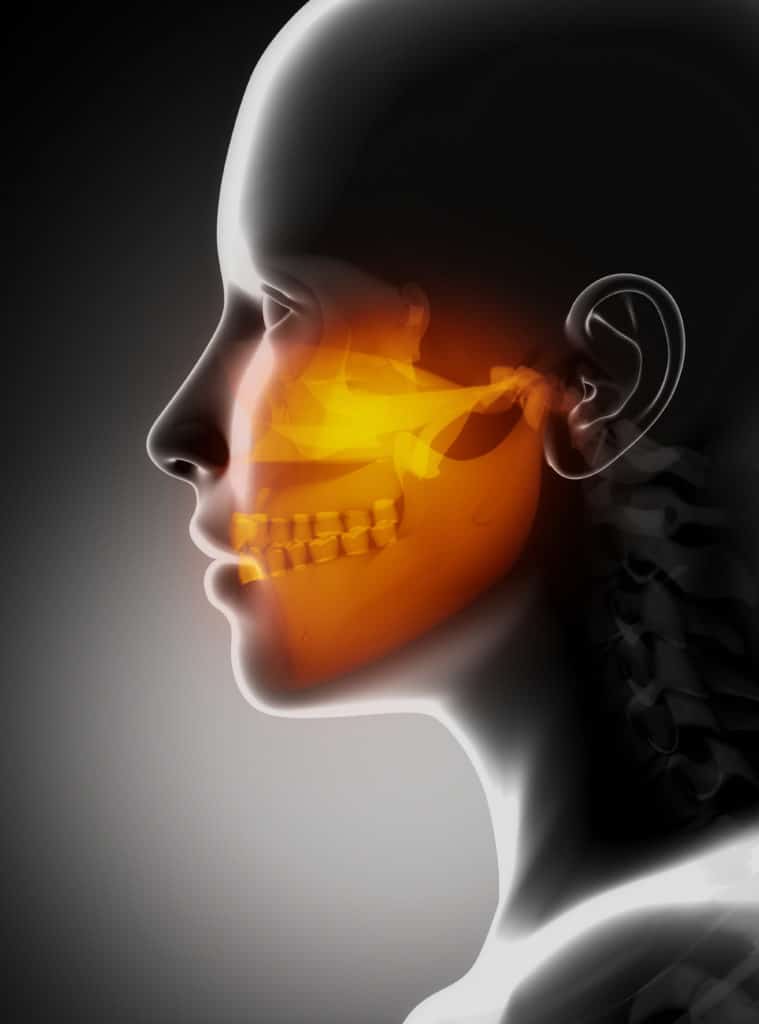
The temporomandibular joint is responsible for opening and closing your jaw. TMJ disorders can occur when there’s pain and dysfunction in the joint and surrounding muscles, causing jaw tenderness or pain, difficulty speaking or chewing, facial pain, earaches, or ringing in the ears. Your jaw may also click, pop, or lock when you open or close your mouth.
While tooth grinding is not the only thing that can lead to TMJ disorders, the repetitive stress of bruxism is one common cause. When you continuously clench your jaw, you put excessive pressure on the TMJ. Over time, this can lead to inflammation in the joint and surrounding muscles.
Left untreated, persistent grinding can also shift the jaw out of alignment, further worsening TMJ symptoms. This is why it’s so important to address the issue early, preventing long-term damage to both your jaw and your teeth.
How Mouth Guards Help Prevent Damage
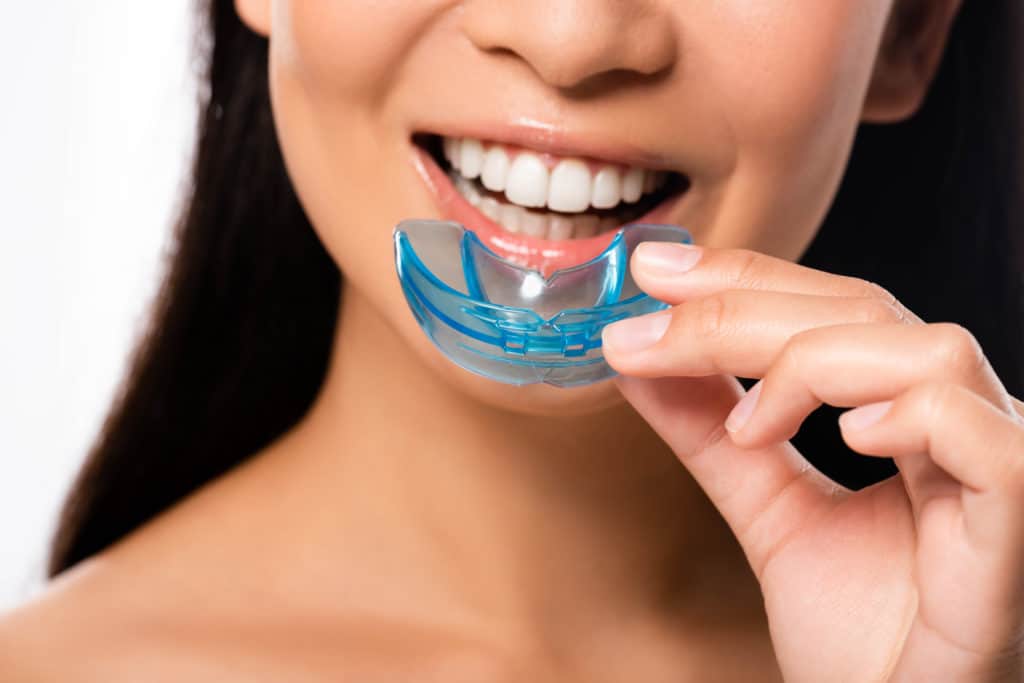
Mouth guards can be an effective way to address teeth grinding and prevent TMJ issues. These plastic devices provide a cushion between the upper and lower teeth, reducing strain on the jaw muscles and joints and preventing further tooth damage. Patients typically wear them at night to stop themselves from subconsciously grinding their teeth while they sleep.
There are two ways to get a mouth guard: buy an over-the-counter option at the store, or get fitted for a custom appliance at the dentist’s office. While over-the-counter mouth guards may be suitable for some people, investing in a custom-made mouth guard provides a better fit and helps you stay comfortable.
The upfront cost of a custom mouth guard may be higher; however, they’re a smart investment. Because these guards use more durable materials and are crafted especially for you, they last longer before wearing out, saving you money in the long run on replacements.
The benefits of wearing a mouth guard at night include improved sleep, fewer morning headaches, and reduced jaw pain and stiffness.
Additional Tips for Managing Bruxism and TMJ Disorders
A mouth guard alone isn’t enough to stop bruxism or address TMJ disorders, especially if you grind your teeth during the day. These issues often require a multifaceted approach, which can include:
- Stress management techniques like meditation, exercise, lifestyle changes, and therapy
- Avoiding hard or chewy foods, along with chewing on non-food items like pen caps
- Practicing jaw relaxation exercises
- Regular dental checkups for monitoring
When to See a Dentist
Your dentist can be a valuable resource in helping you find relief from bruxism and TMJ disorders. They can help determine the causes of teeth grinding and recommend treatment options, whether it’s a night guard, repairing damaged teeth, or relaxation techniques.
If you notice any of these signs, it may be time to seek professional help:
- Persistent jaw pain
- Difficulty opening or closing the mouth
- Noticeable tooth damage or wear
- Disrupted sleep from jaw discomfort
Prompt action and early intervention are key to preventing your symptoms from worsening and avoiding long-lasting effects on your oral health, so don’t wait to schedule an appointment with your dentist.
Find Relief from Teeth Grinding and TMJ Disorders
At the office of Eric Felt DDS, we’re proud to offer custom mouth guards to patients struggling with bruxism or TMJ disorders. If you’re seeking relief from these conditions, contact us today to schedule an appointment and find out whether a custom mouth guard is right for you.