

Thumb sucking is a natural reflex in infants and toddlers. While it’s common and usually harmless in very young children, it can become a concern if the behavior continues until after age four or when permanent teeth begin to erupt.
At the office of Eric Felt DDS, we want our patients and their parents to be aware of habits that can put children’s oral health and development at risk. If you’re concerned about your child’s thumb sucking, keep reading to learn why they may be doing it, when it becomes a problem, how it can affect oral health, and how to help your child stop thumb sucking.
Why Children Suck Their Thumbs
So, why do some children suck their thumbs? For many of them, it’s a natural self-soothing behavior, offering them comfort during times of stress, fatigue, or boredom. Babies are born with a sucking reflex — it’s how they nurse, after all — so thumb sucking can be a way to help them feel secure and happy, similar to using a pacifier. It can also help children fall asleep.
When Thumb Sucking Becomes a Problem
As long as your child is still very young and does not yet have any permanent teeth, thumb sucking is not typically a problem. Most children outgrow the habit by age 2–4. However, if a child continues to suck their thumb after the permanent teeth erupt (typically around age 5 or 6), the habit can impact their oral development.
There are two types of thumb sucking: passive and aggressive. Passive sucking involves the thumb resting gently inside the mouth and is much less likely to cause damage, while aggressive sucking places pressure on the mouth or teeth and may affect tooth alignment and inhibit proper oral development.
Oral Health Issues Caused by Thumb Sucking
Aggressive or prolonged thumb sucking can cause significant oral health issues as the child grows and their adult teeth grow in.
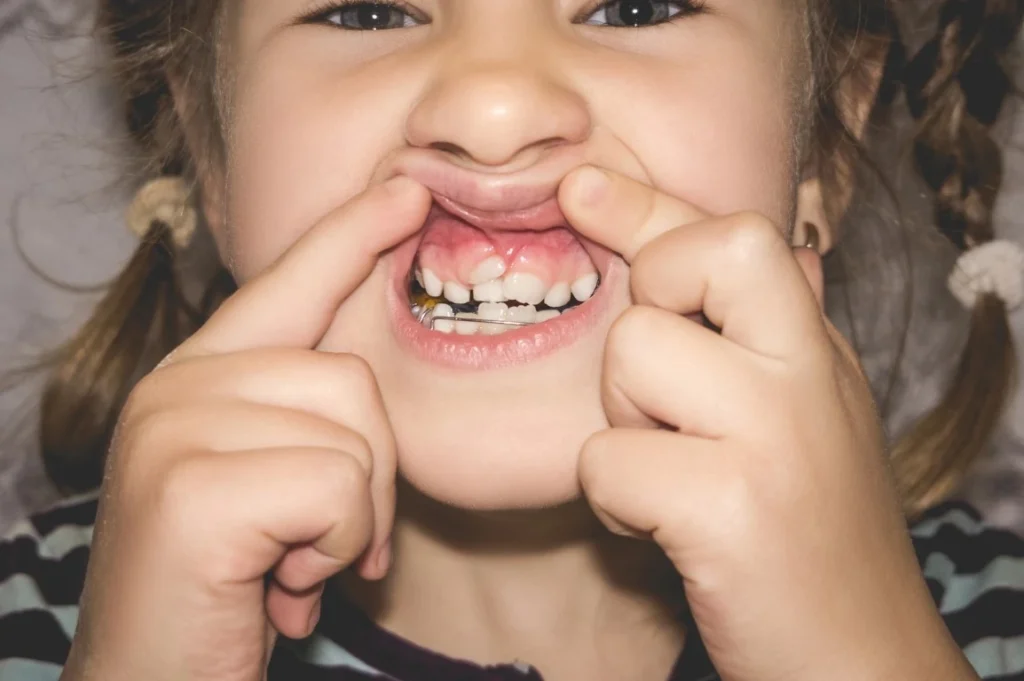
Palate and Oral Structure Changes
Palate and oral structure changes are a major concern with thumb sucking. The intruding thumb, combined with the force of the sucking, puts pressure on the mouth and affects the development of the oral structure. For instance, children who suck their thumbs may experience a narrowing of the upper palette, changes in swallowing patterns, or speech issues like lisping or difficulty pronouncing certain sounds.
Dental Alignment Problems
With palate and oral structure changes often come dental alignment problems, which may include:
- An open bite, which is where the front teeth don’t meet when mouth is closed
- An overbite or protrusion of the front teeth
- A misaligned jaw or shifting of teeth
Alignment issues often necessitate orthodontic solutions, such as braces, palette expanders, and more.
Increased Risk of Other Health Issues
Oral health isn’t the only thing at risk with thumb sucking. There’s a much higher chance of sickness and infection due to frequent hand-to-mouth contact. Plus, there’s the risk of skin irritation or callusing on the thumb.
How to Help Your Child Stop Thumb Sucking
That being said, what’s the best way to help your child stop sucking their thumb? Here are some things you can try:
- Positive reinforcement: This could include verbal praise and encouragement, sticker charts, or reward systems for not sucking their thumb.
- Identify triggers: Try to determine whether the thumb sucking is linked to boredom, stress, or fatigue. When your child experiences these emotions, offer alternative comfort like blankets or stuffed animals.
- Gentle reminders and tools: Avoid scolding or shaming your child. Instead, gently remind them not to suck their thumb. You can also use thumb guards, bitter-tasting nail solutions, or dental appliances that discourage the habit.
When to See a Dentist
You may be wondering when you should see a dentist. It’s a good idea to talk to your child’s dentist if thumb sucking persists beyond age five or if you observe changes in your child’s bite, teeth, alignment, or speech. The dentist can evaluate your child and recommend appropriate interventions.

Ensure Your Child’s Oral Health with Eric Felt DDS
At the office of Eric Felt DDS, our goal is to help your child grow up healthy and strong by taking a supportive, patient-centered approach. With early intervention, long-term dental issues can be avoided. If you’re concerned about your child’s thumb sucking habit, contact us today to schedule an appointment and ensure your child’s smile is happy and healthy for years to come.